
Springfield Model 1903 Mark I Rifle c. 1920
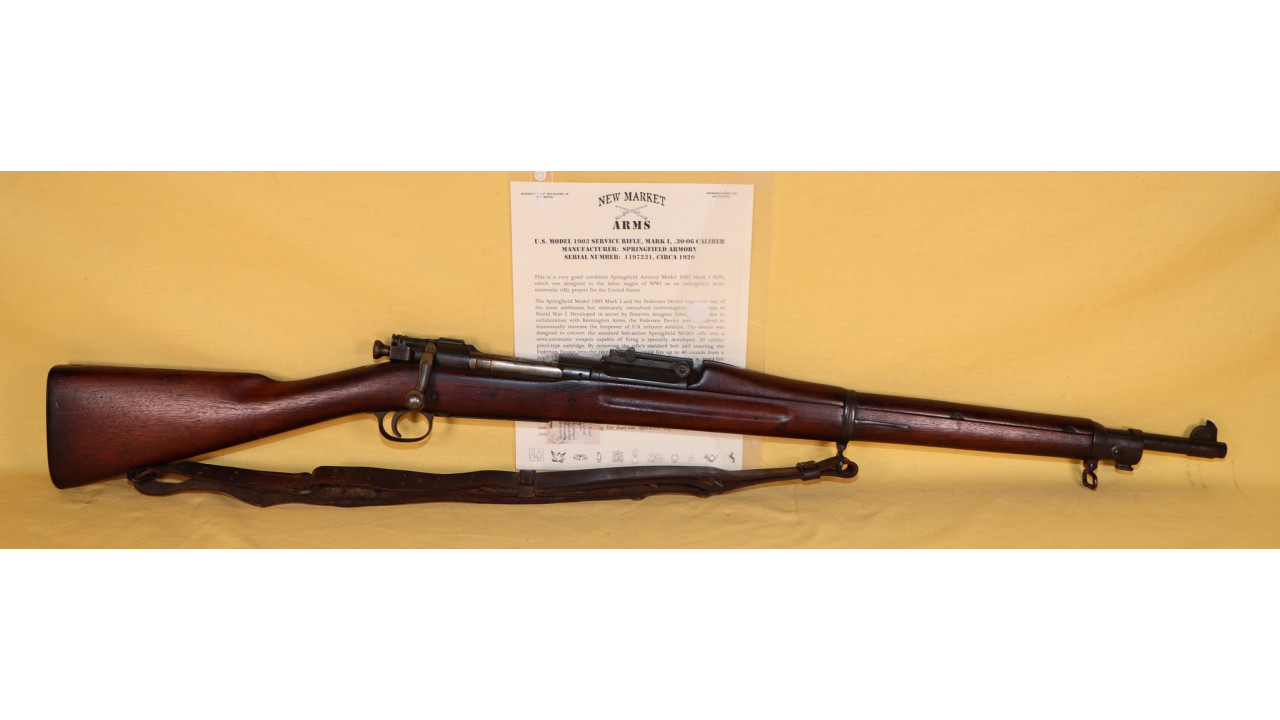
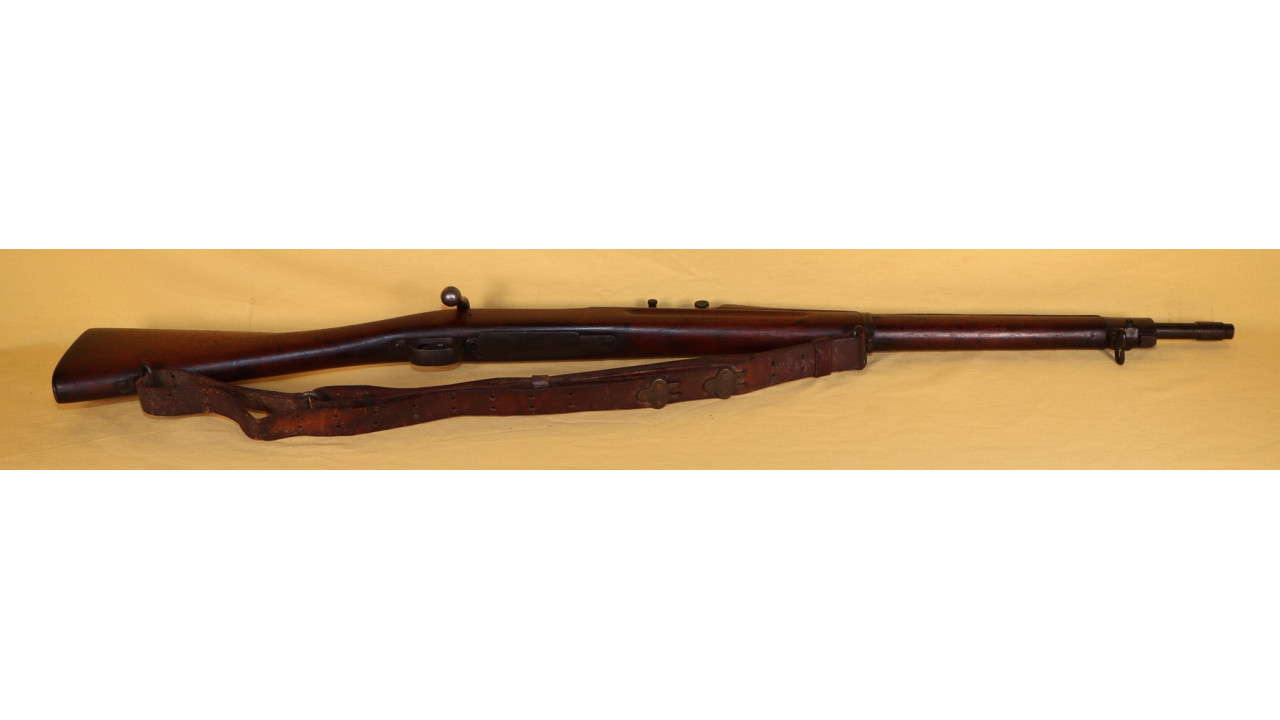
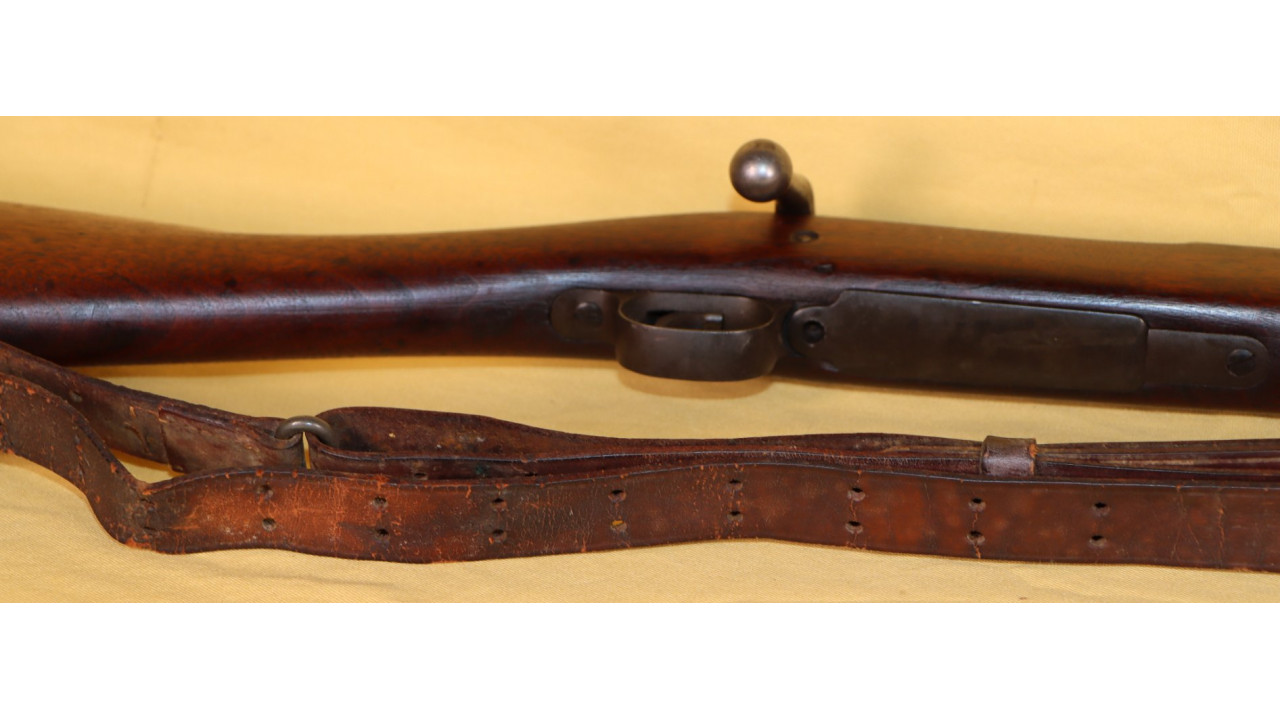
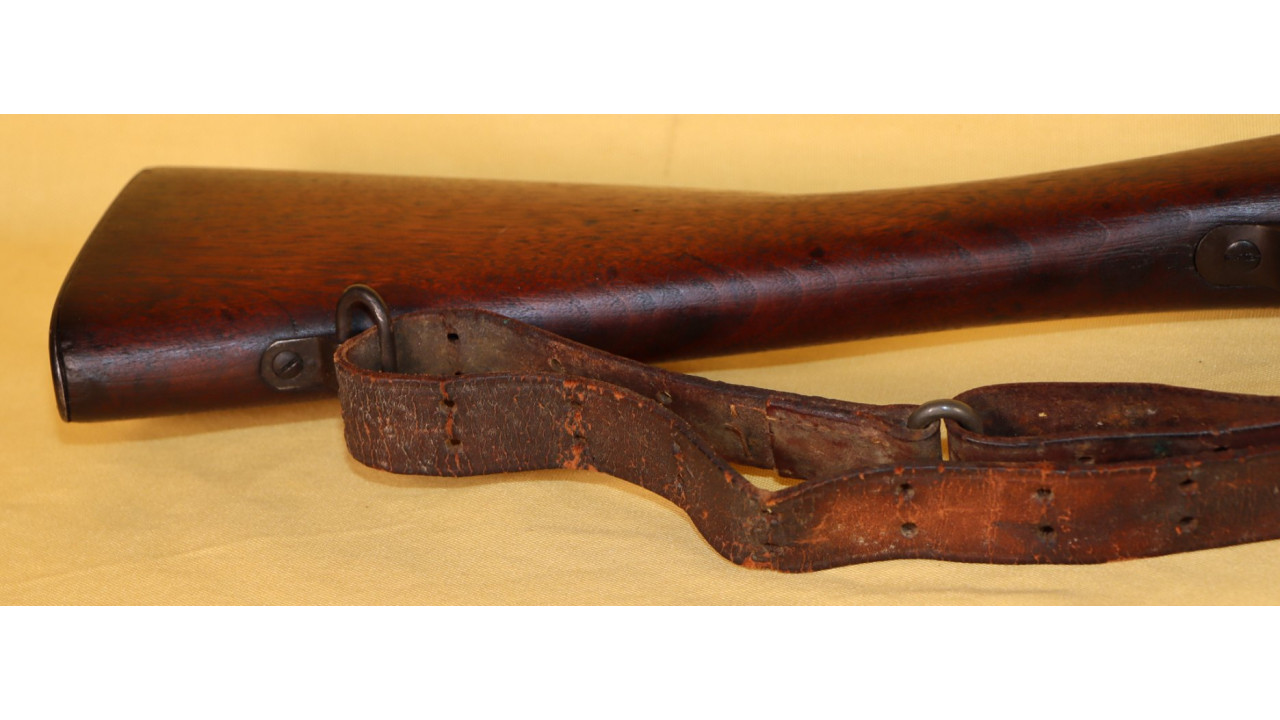
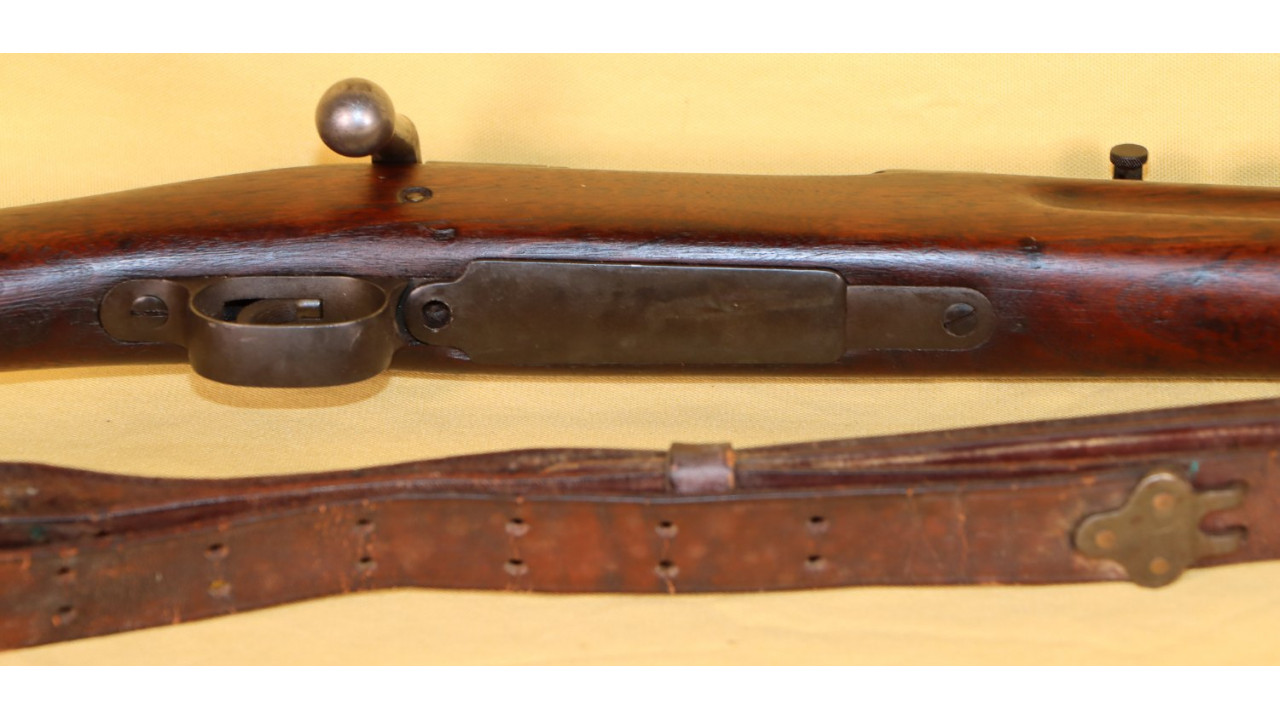
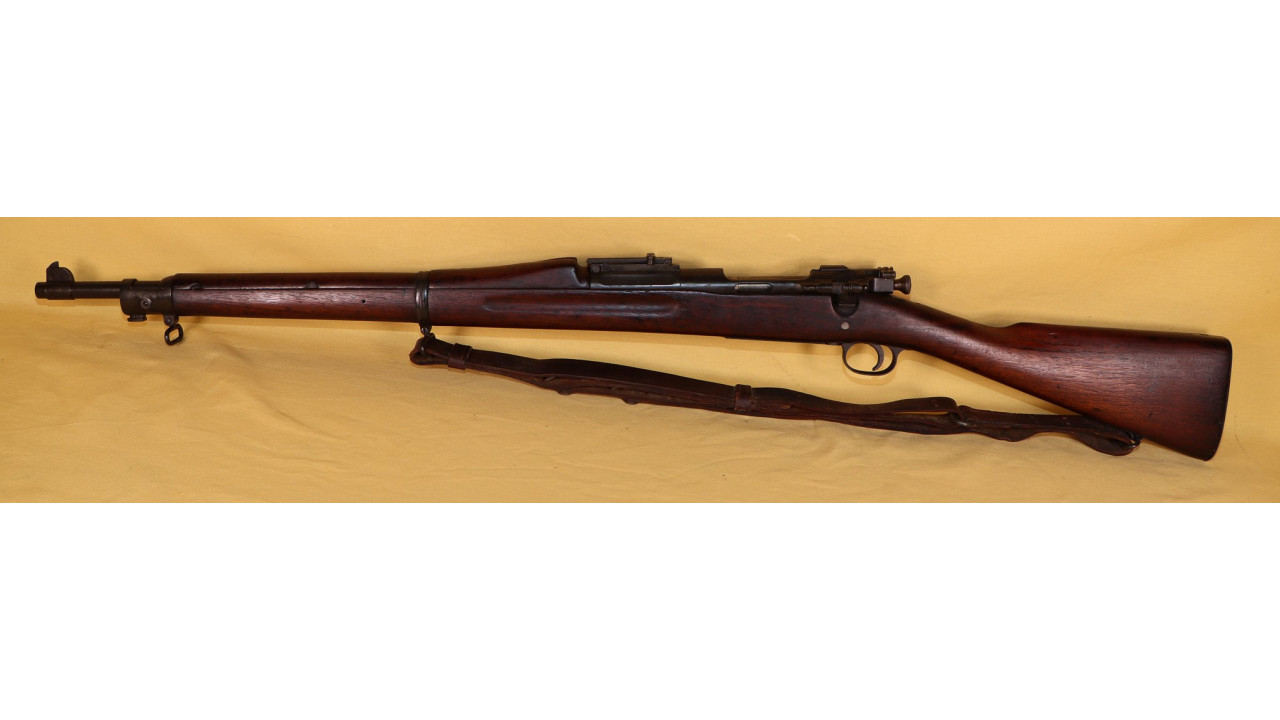
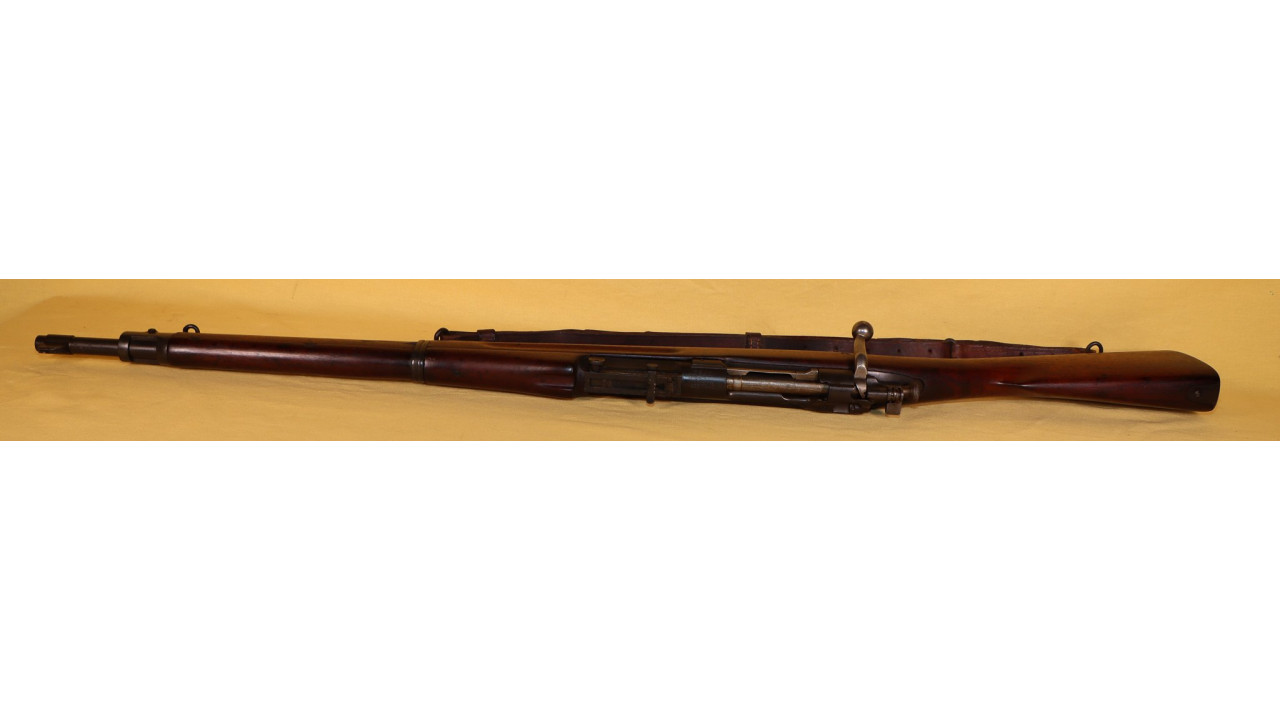
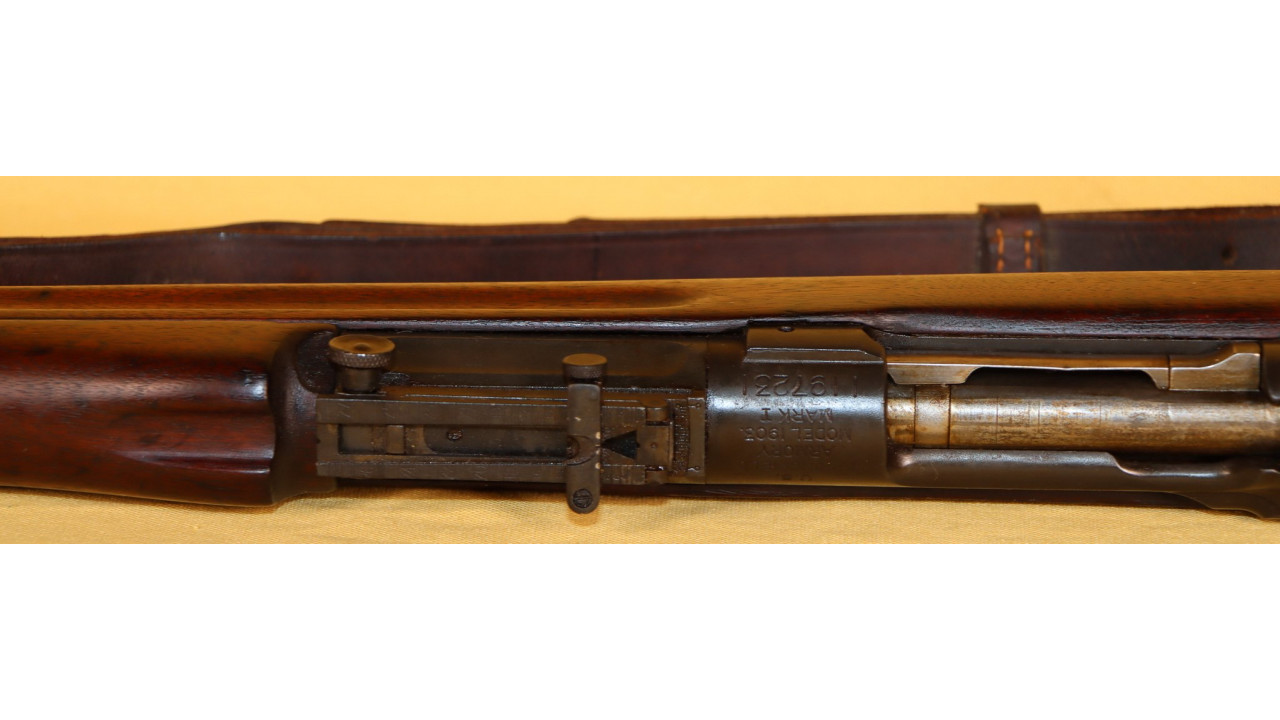
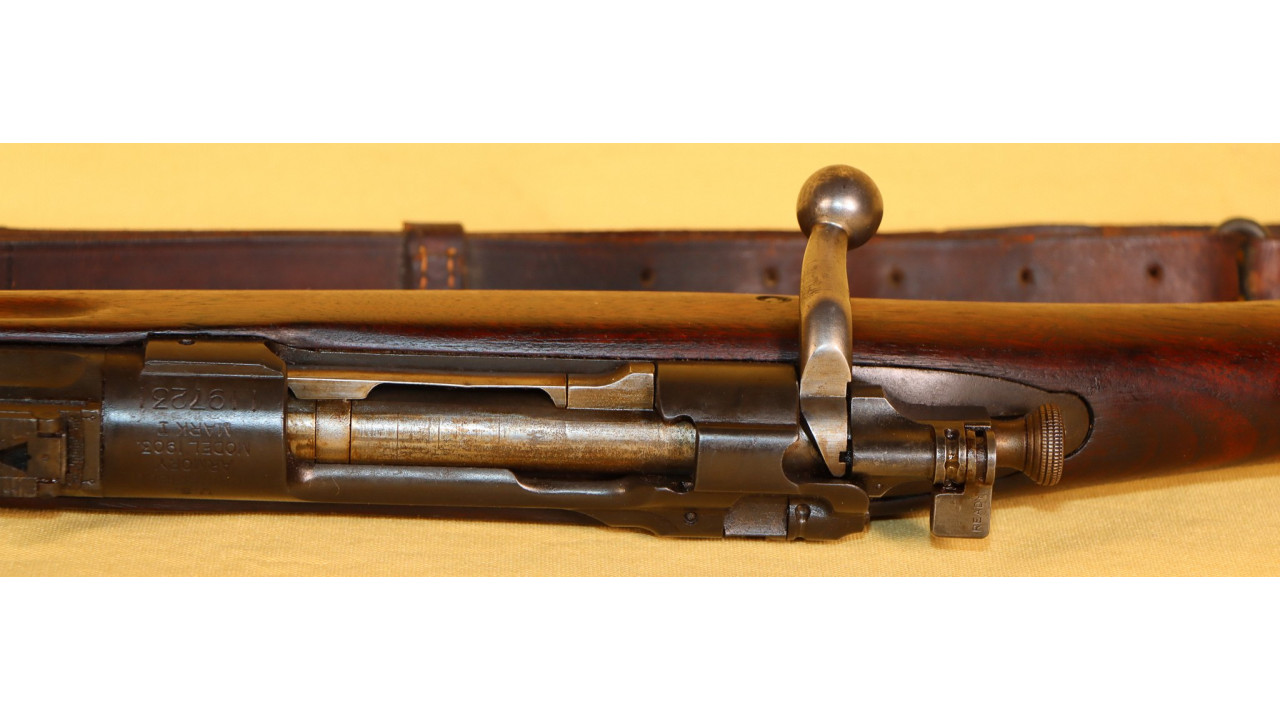
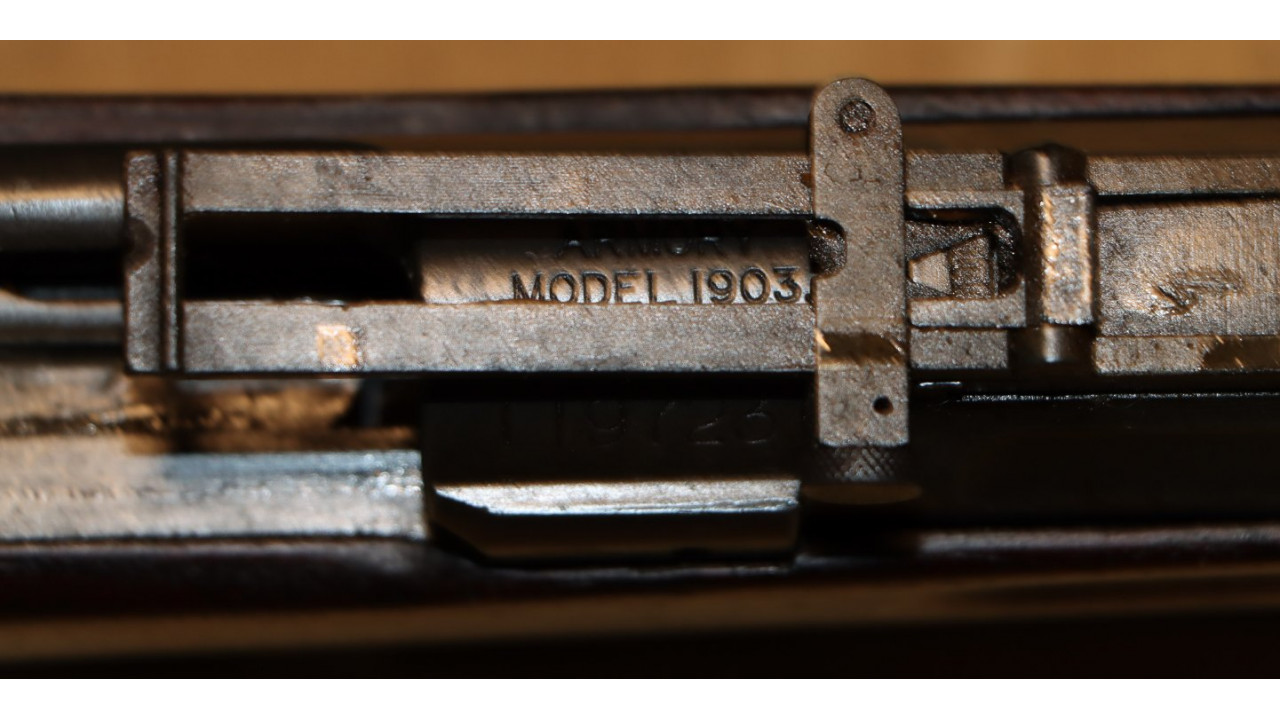
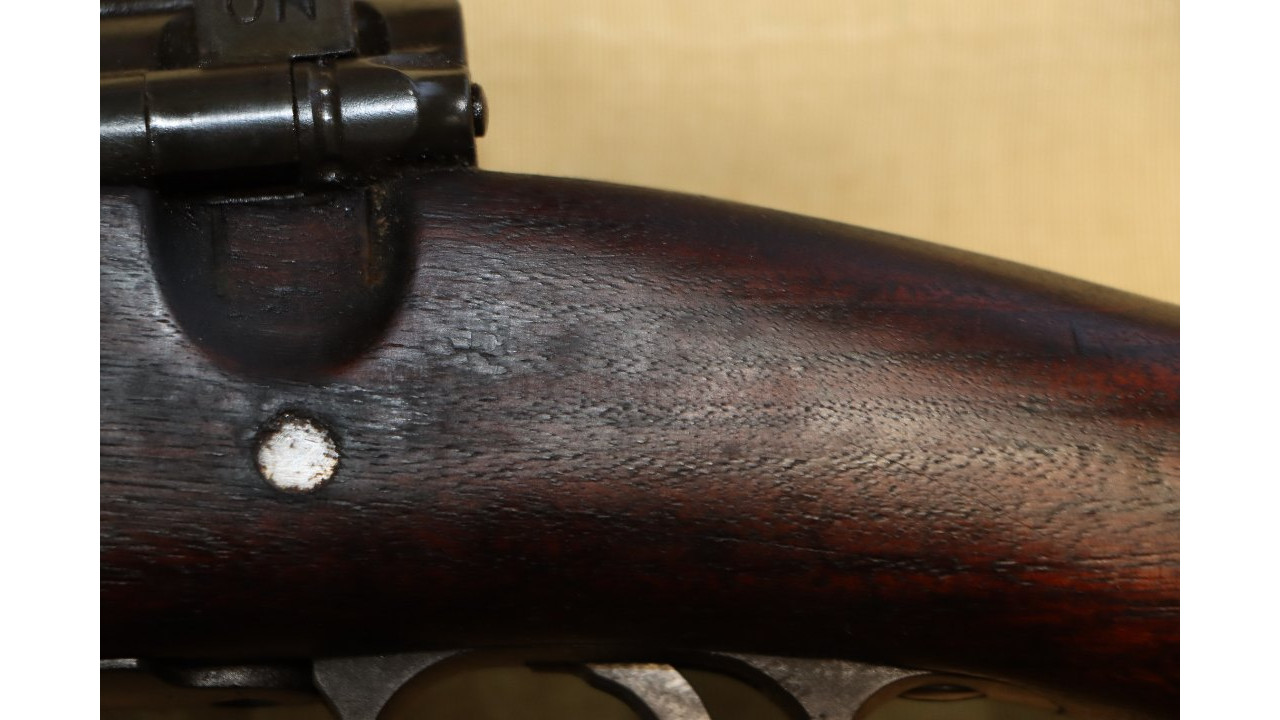
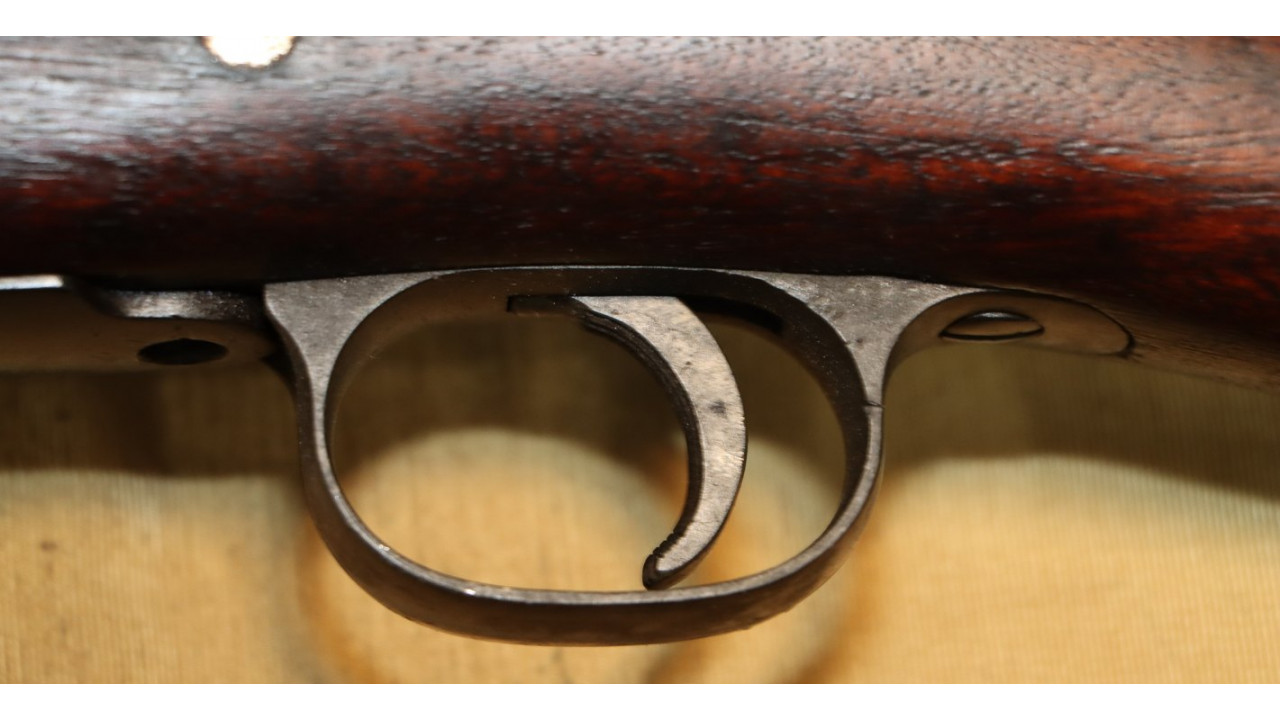
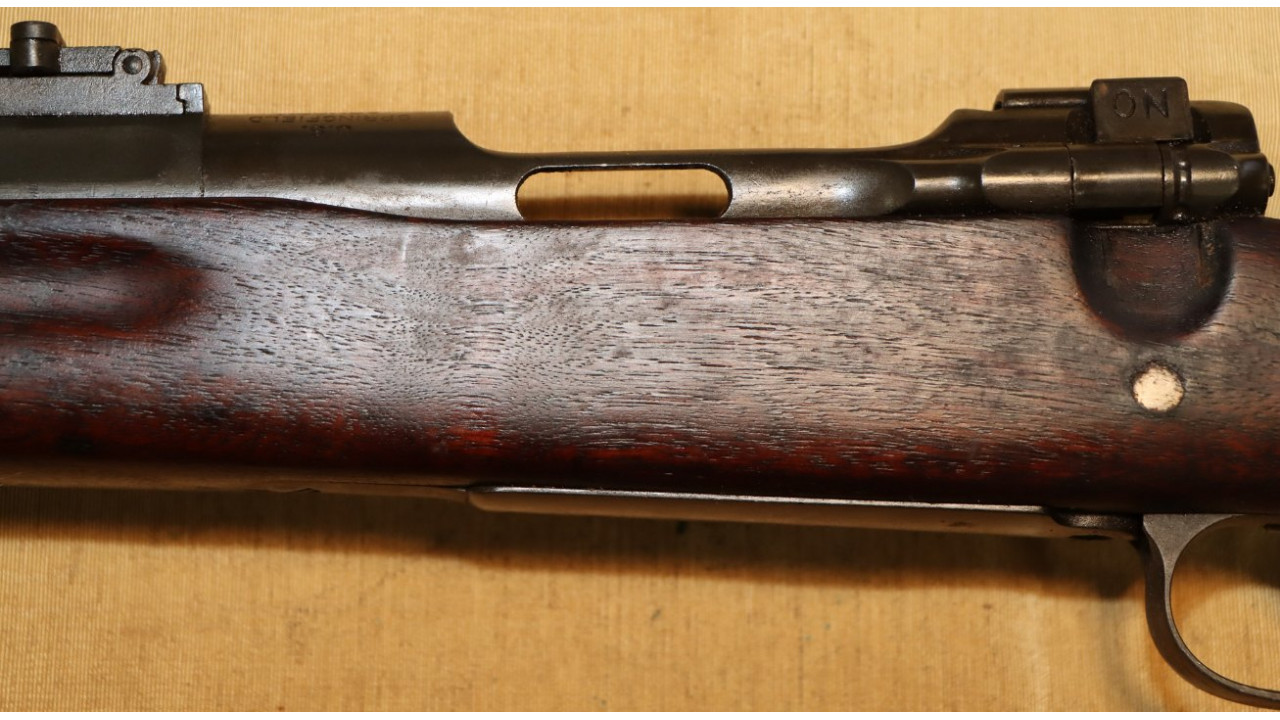
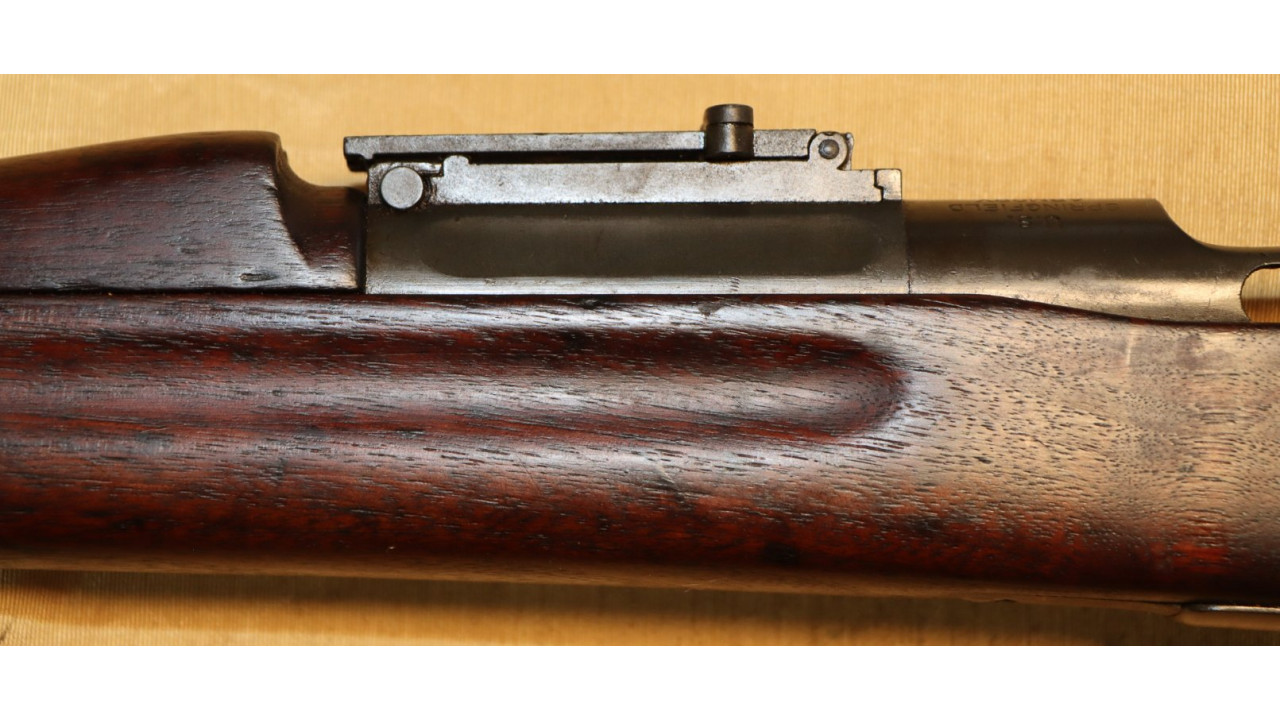
This is a very good condition Springfield Armory Model 1903 Mark I Rifle, which was designed in the latter stages of WWI as an emergency semi-automatic rifle project for the United States.
The Springfield Model 1903 Mark I and the Pedersen Device represent one of the most ambitious but ultimately unrealized technological innovations of World War I. Developed in secret by firearms designer John D. Pedersen in collaboration with Remington Arms, the Pedersen Device was conceived to dramatically increase the firepower of U.S. infantry soldiers. The device was designed to convert the standard bolt-action Springfield M1903 rifle into a semi-automatic weapon capable of firing a specially developed .30 caliber pistol-type cartridge. By removing the rifle’s standard bolt and inserting the Pedersen Device into the receiver, soldiers could fire up to 40 rounds from a detachable magazine, effectively transforming their rifle into a rapid-fire weapon without sacrificing the option to revert to standard, bolt action rifle fire when needed.
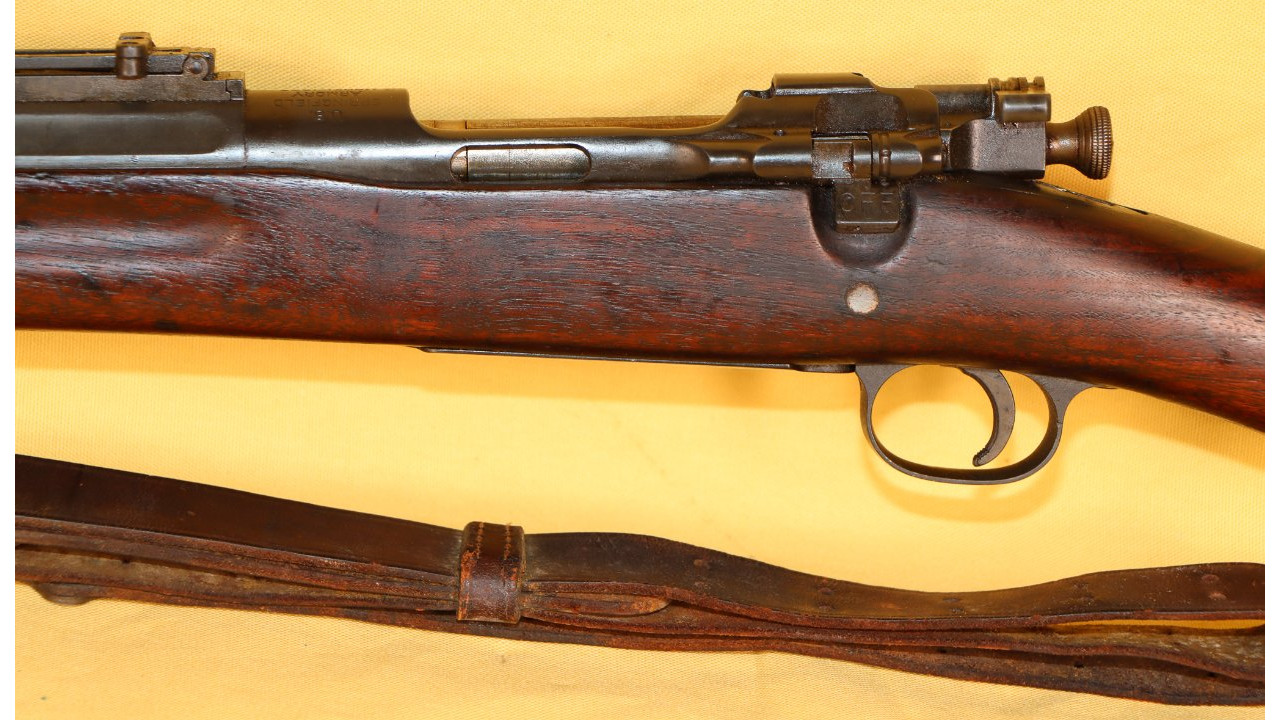
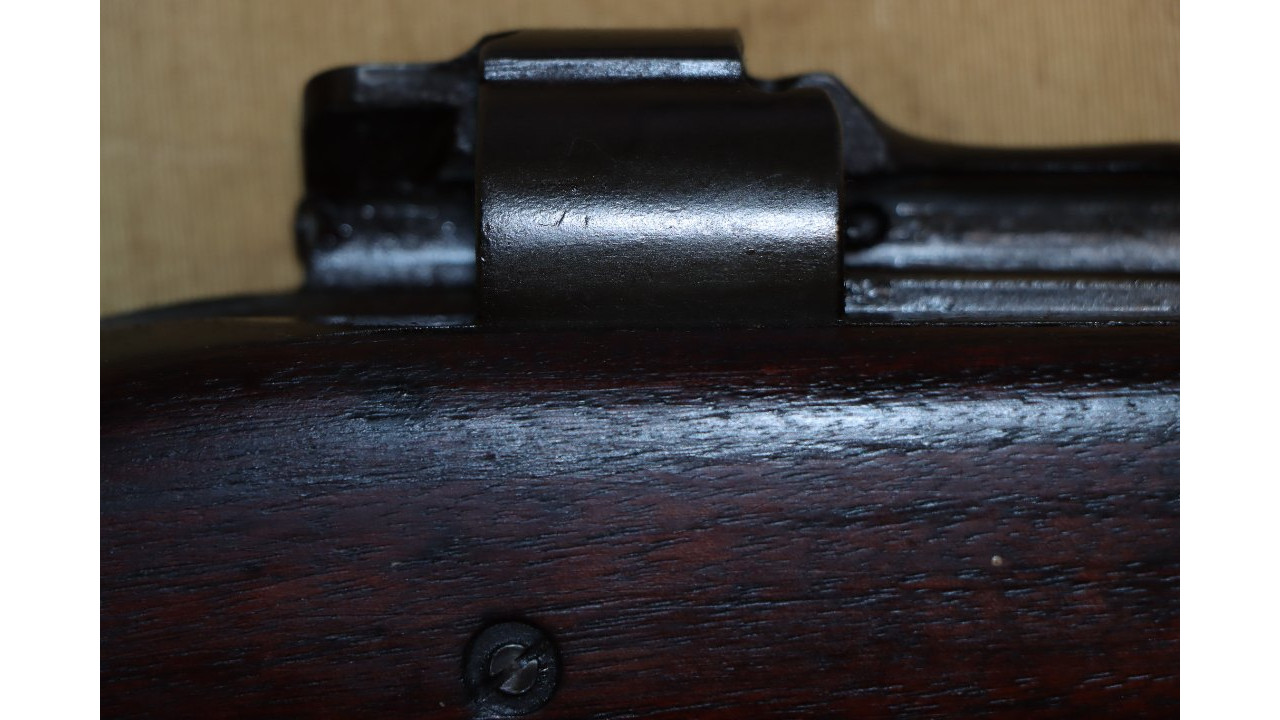
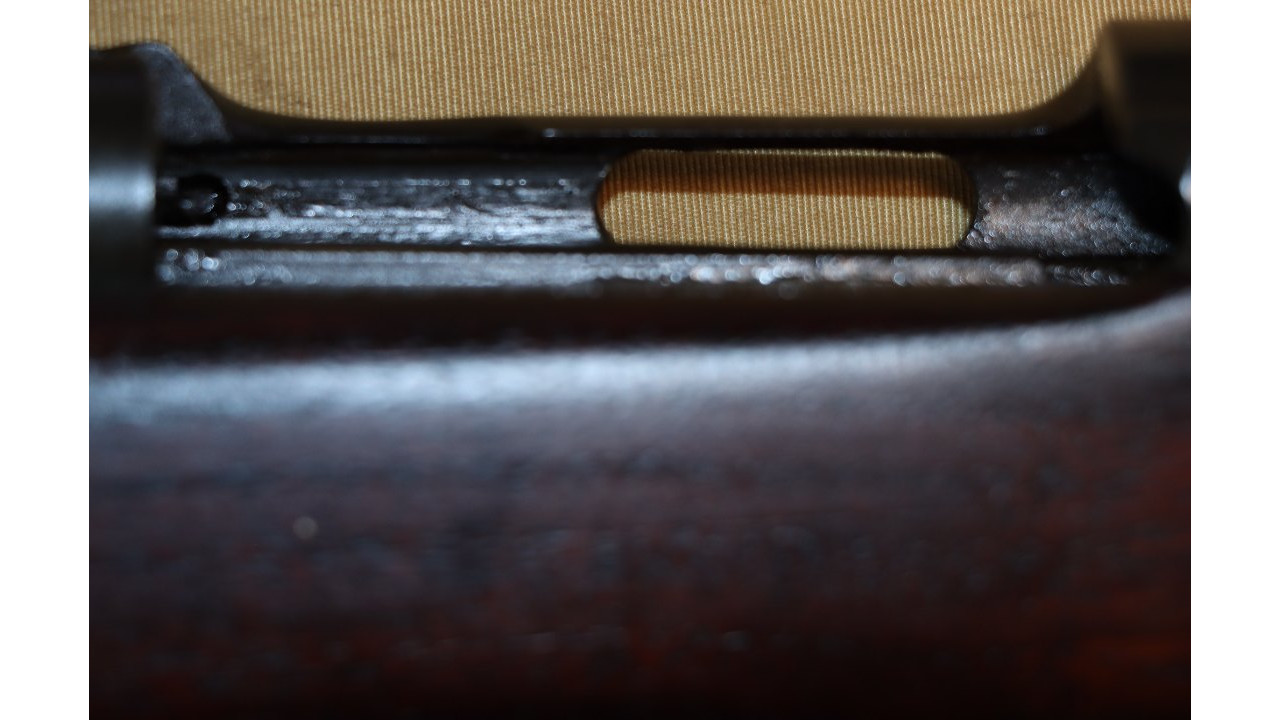
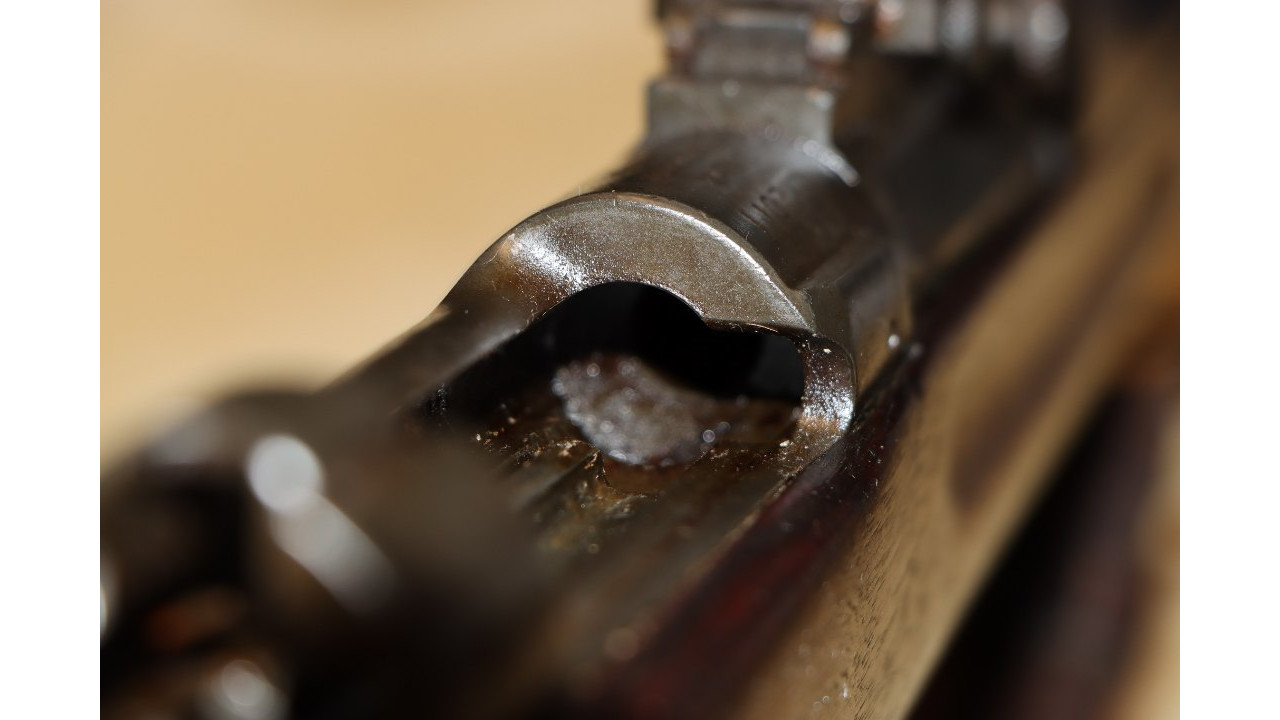
To make this possible, a special version of the M1903 rifle was created—the Model 1903 Mark I. Produced exclusively by Springfield Armory, the Mark I featured a unique oval ejection port milled into the left side of the receiver to accommodate the Pedersen Device’s spent casing ejection. The stock was also inletted to provide clearance, and internal components such as the sear and magazine cut-off were modified to allow compatibility with the device. These rifles retained their ability to fire standard .30-06 ammunition using a conventional bolt, allowing for dual-use operation depending on battlefield conditions.
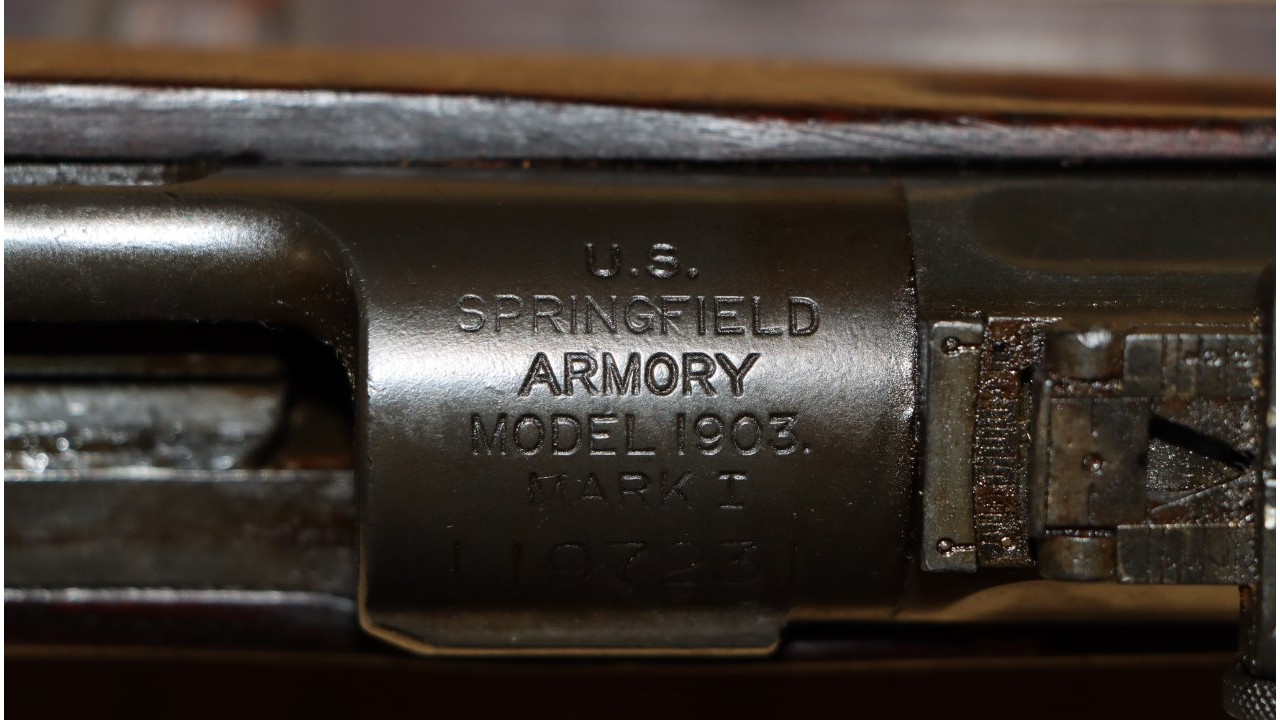
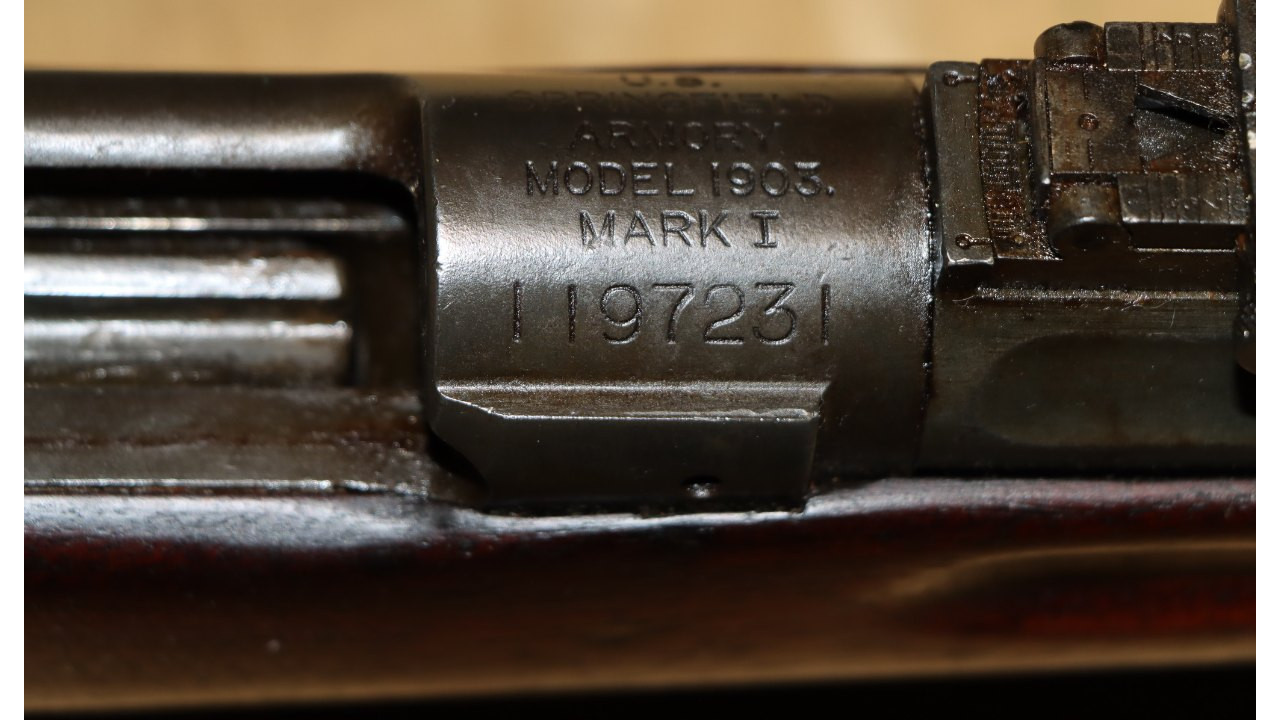
The Pedersen Device was kept secret and officially designated the “Automatic Pistol, Caliber .30, Model of 1918” to mask its true purpose. Following a successful demonstration to the U.S. Army on October 8, 1917, the War Department embraced the concept, planning to equip large portions of the American Expeditionary Forces with the device in time for a major Spring 1919 offensive. Initial contracts called for the production of 100,000 Pedersen Devices, soon increased to over 133,000, along with millions of rounds of ammunition and tens of thousands of modified rifles. From late 1918 through 1921, Springfield Armory produced approximately 101,775 to 145,000 Mark I rifles, each stamped “MARK I” on the receiver ring.
However, the war ended before the plan could be executed. The Armistice of November 11, 1918 rendered the massive offensive—and the deployment of the Pedersen Device—unnecessary. Despite its promise, the Army’s postwar evaluation found the device lacking in several areas: the pistol-caliber cartridge (.30-18 Auto) was underpowered compared to the .30-06, the device added weight and complexity to the rifle, and logistical concerns about ammunition supply, training, and maintenance further diminished enthusiasm. As a result, the production contract was canceled in March 1919, with around 65,000 devices completed. A second version, the Mark II, was developed for the M1917 “Enfield” rifle, but never entered full production.
By 1931, the Pedersen Device program was declared obsolete. The Army ordered the destruction of all remaining devices, magazines, and ammunition—most were scrapped or burned. In the late 1930s, many surviving Mark I rifles were recalled and converted back to standard M1903 configuration, with the special parts removed, although the distinctive ejection port remained.
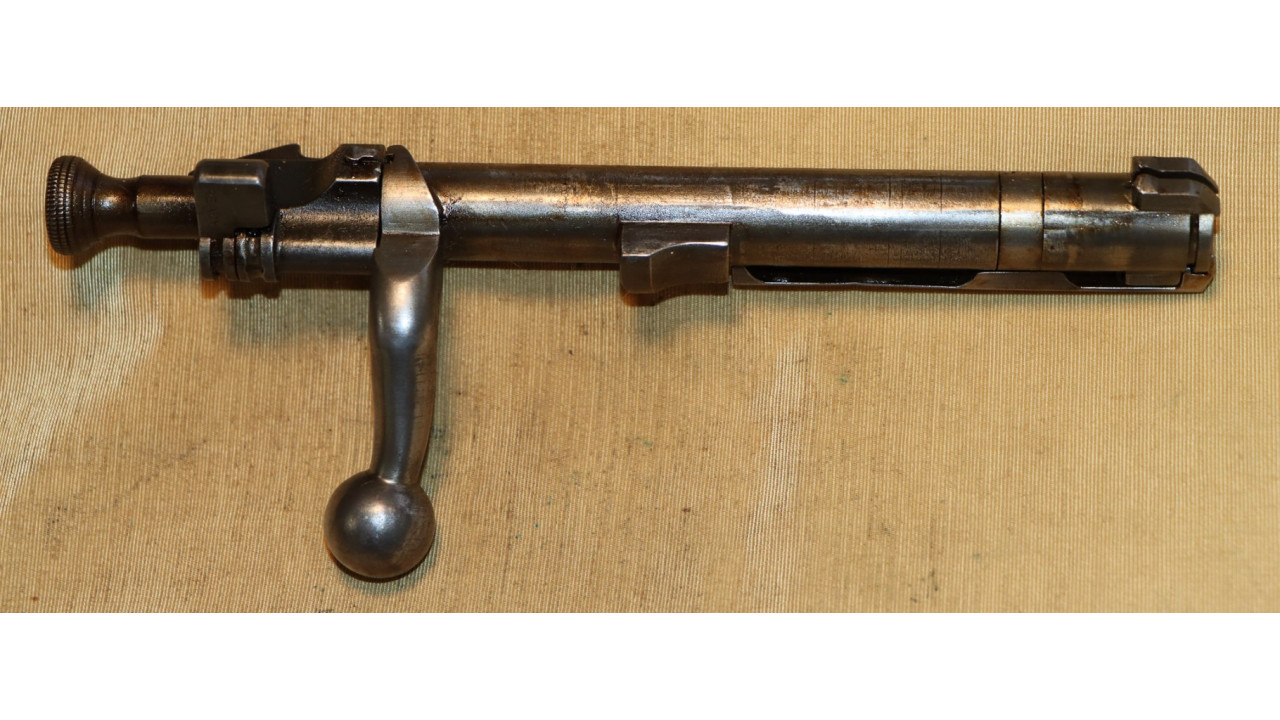
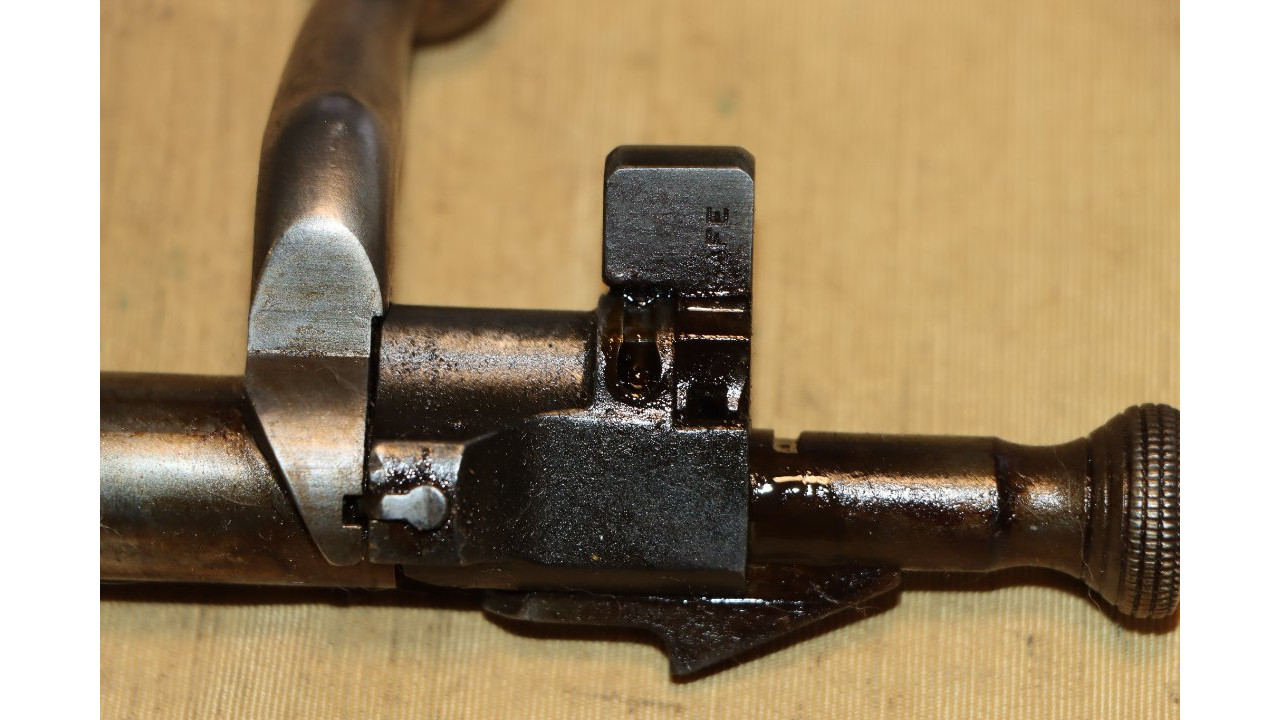
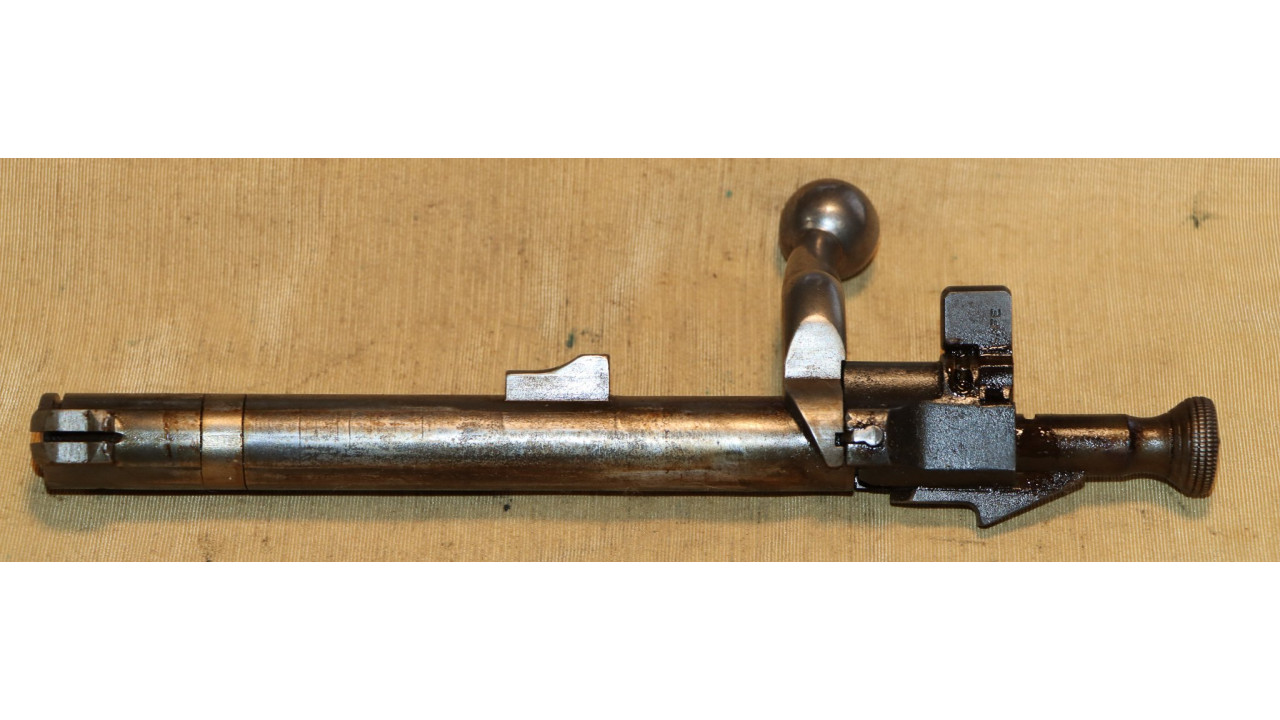
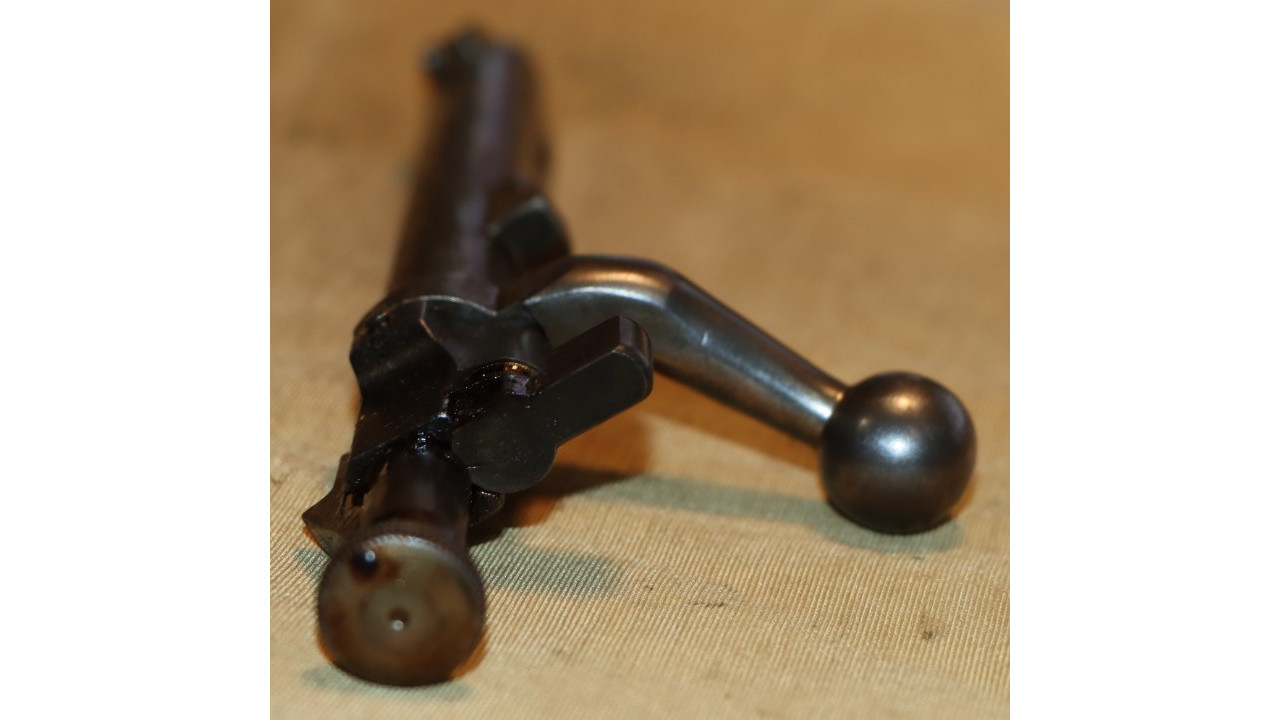
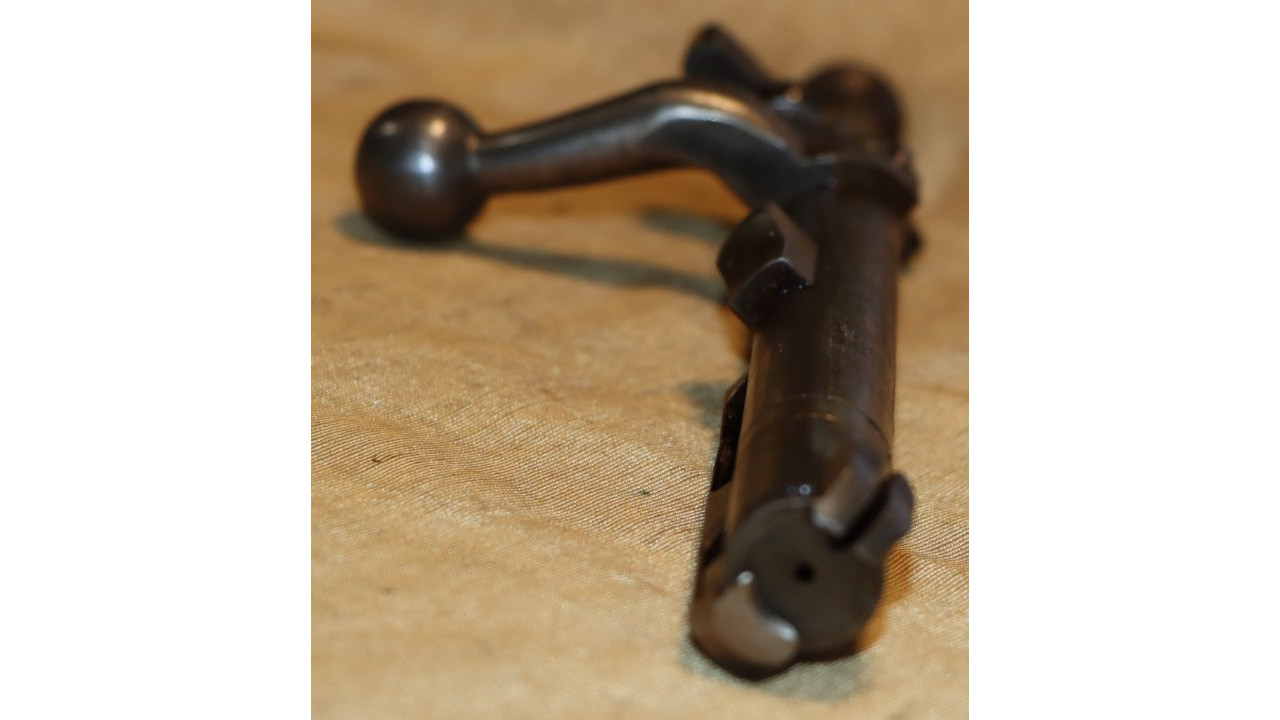
The bolt in this rifle is the correct Springfield Armory straight handle type with the small gas hole. The bolt body generally exhibits a smooth pewter patina and retains generous traces of its original blued finish on the bolt handle and protected areas. The bottom of the bolt handle root has a Rockwell Hardness Punch Test mark over a serif “X” inspection stamp. The bottom of the safety lug is marked with the Springfield Armory heat lot number “J 6,” which is the correct heat lot number for Springfield bolts manufactured in 1920. The bolt face exhibits wear consistent with firing. The extractor has the correct small gas escape hole, and it now generally exhibits a pewter patina.
The Cocking Piece generally exhibits a plum and pewter patina. The sear lug is largely in the white. The head of the cocking piece retains considerable original finish although it is thinning. There is no hole on the bottom of the cocking piece head. The head has three distinct rings of fine serrations and two distinct rings where the head tapers down towards the lug.
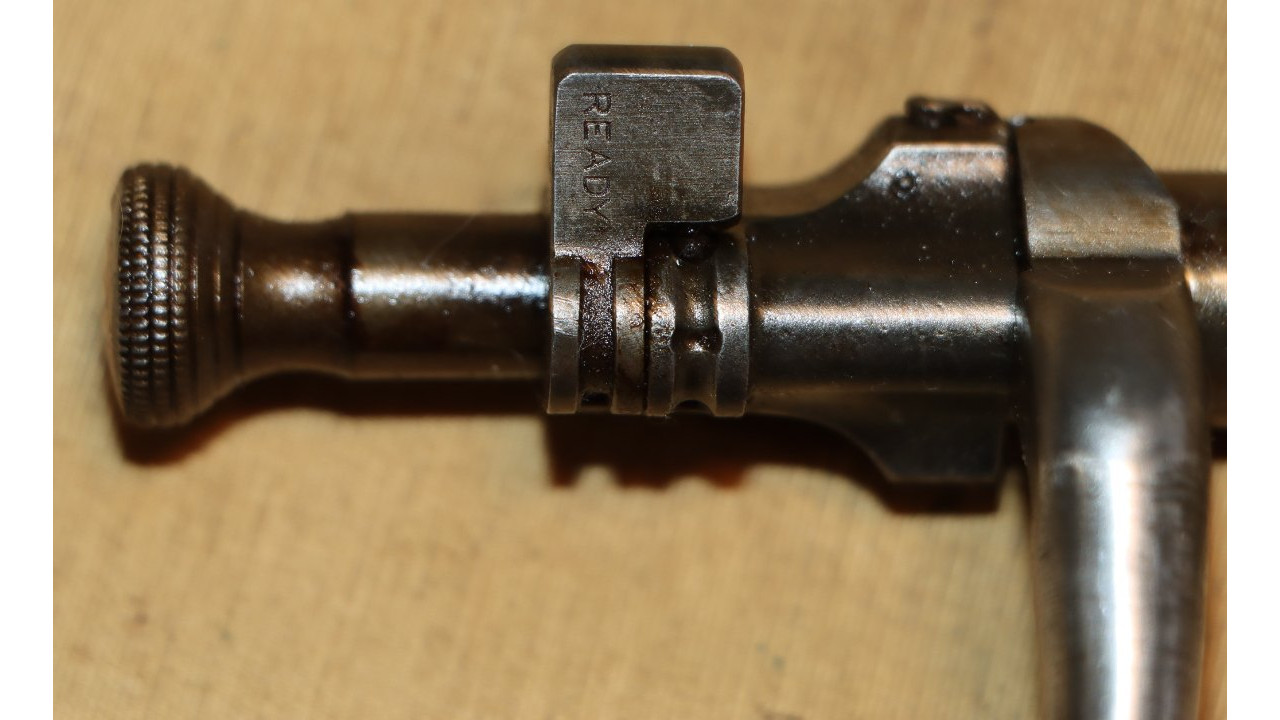
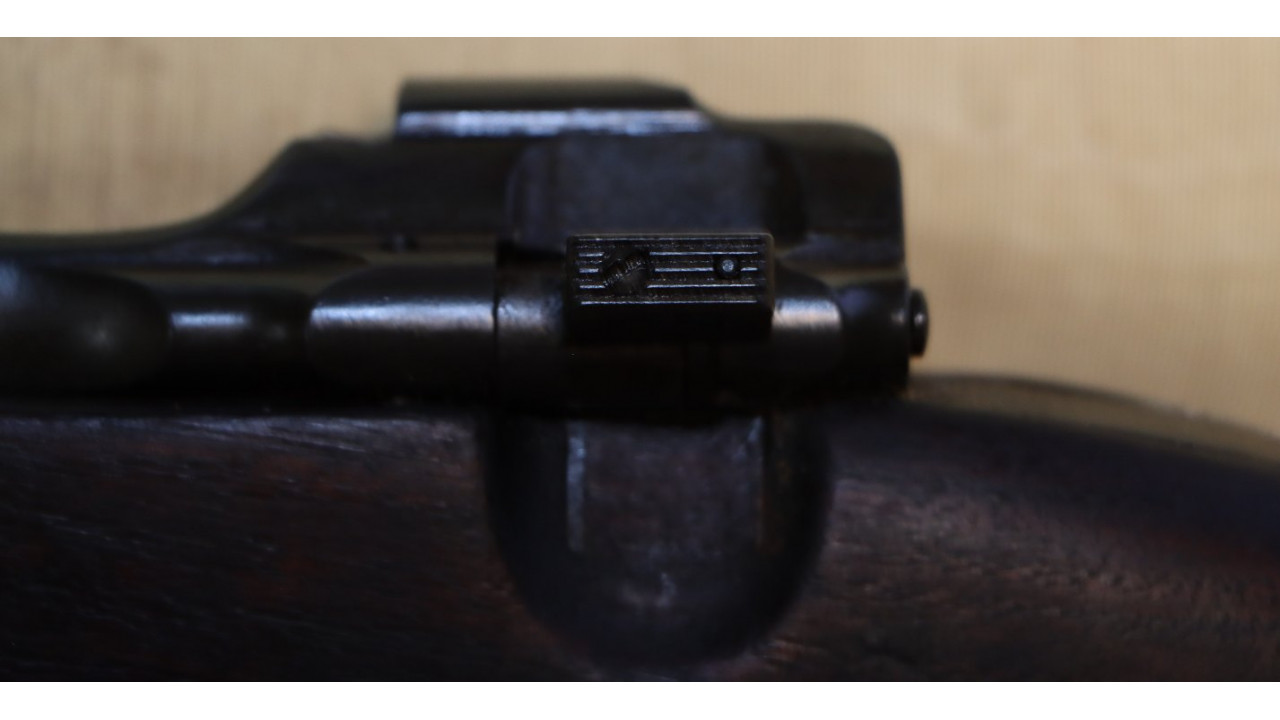
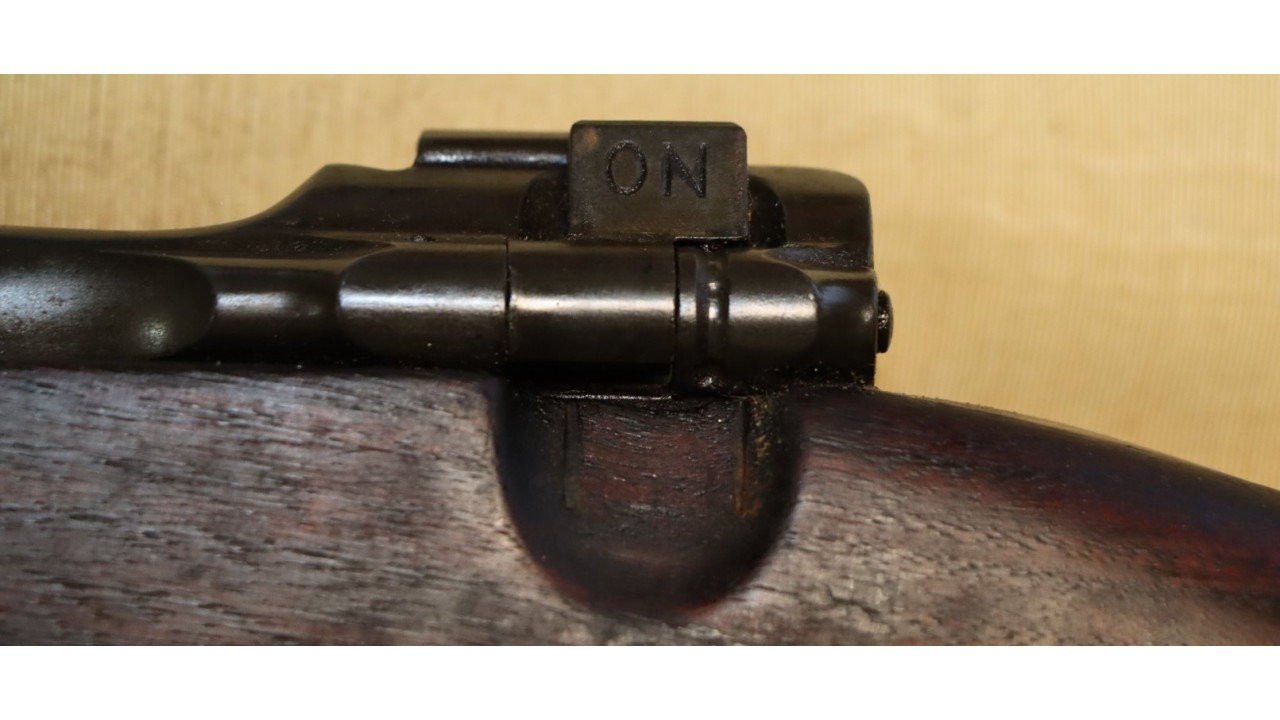
The Bolt Sleeve is the correct 3-position type that retains the vast majority of its original blue finish on both sides and the top with wear on the sharp points. The Safety is the correct type with sans serif “READY” stamped on the right side and sans serif “SAFE” stamped on the left. The Safety retains the vast majority of its original blued finish.
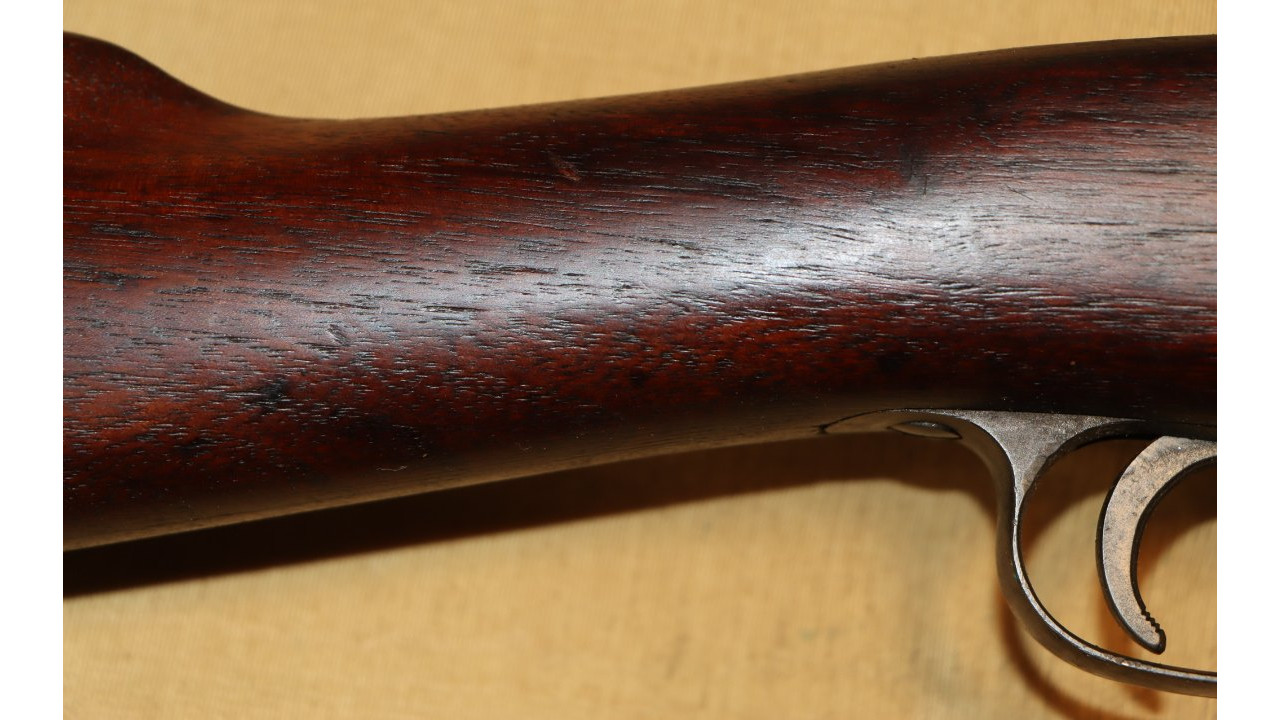
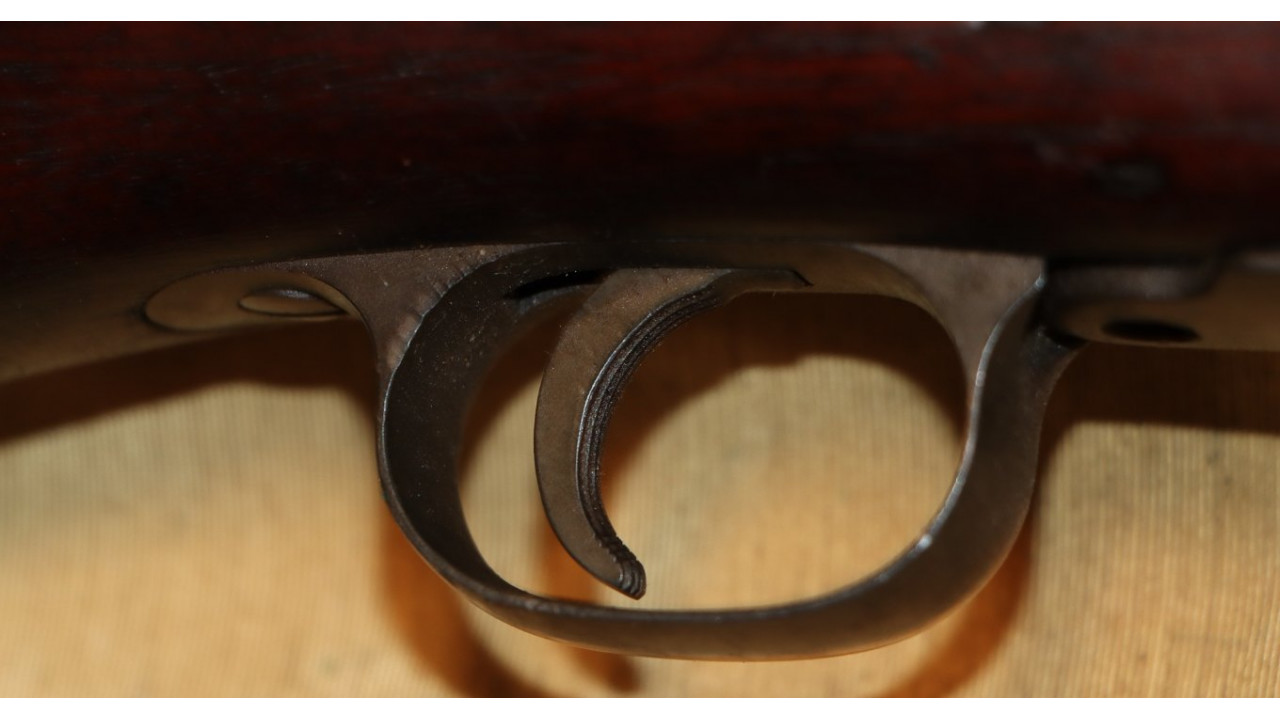
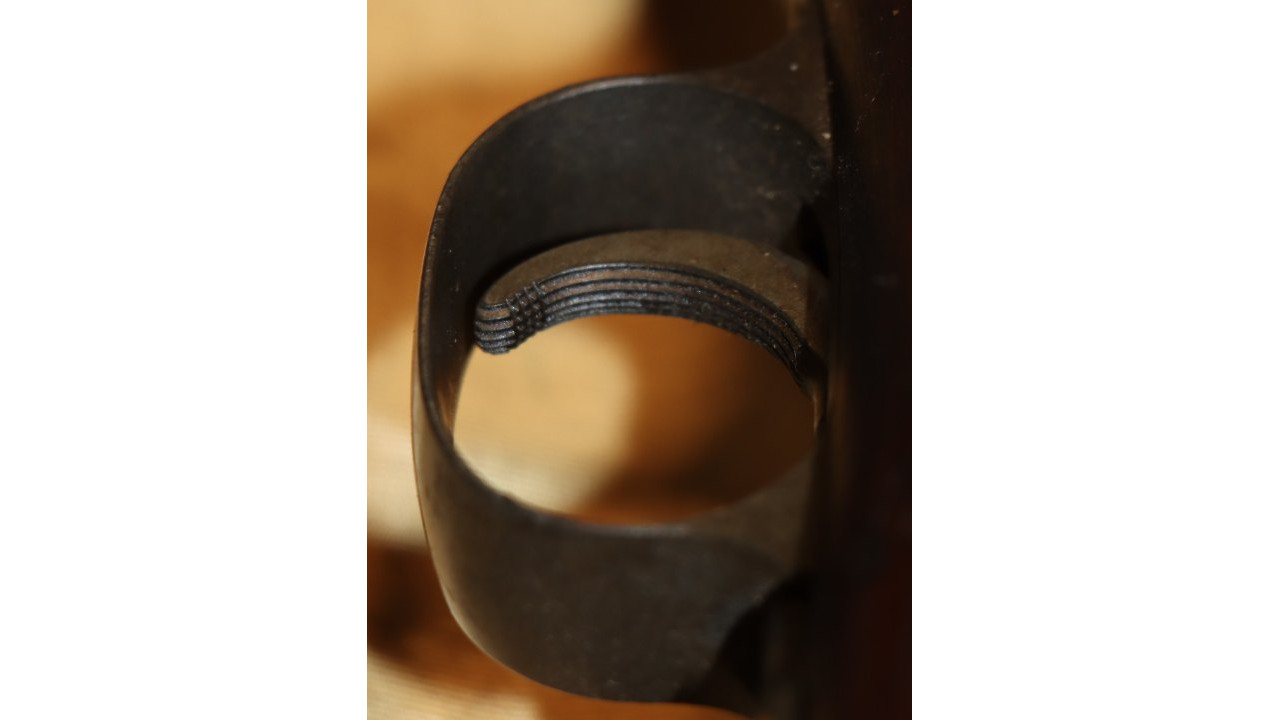
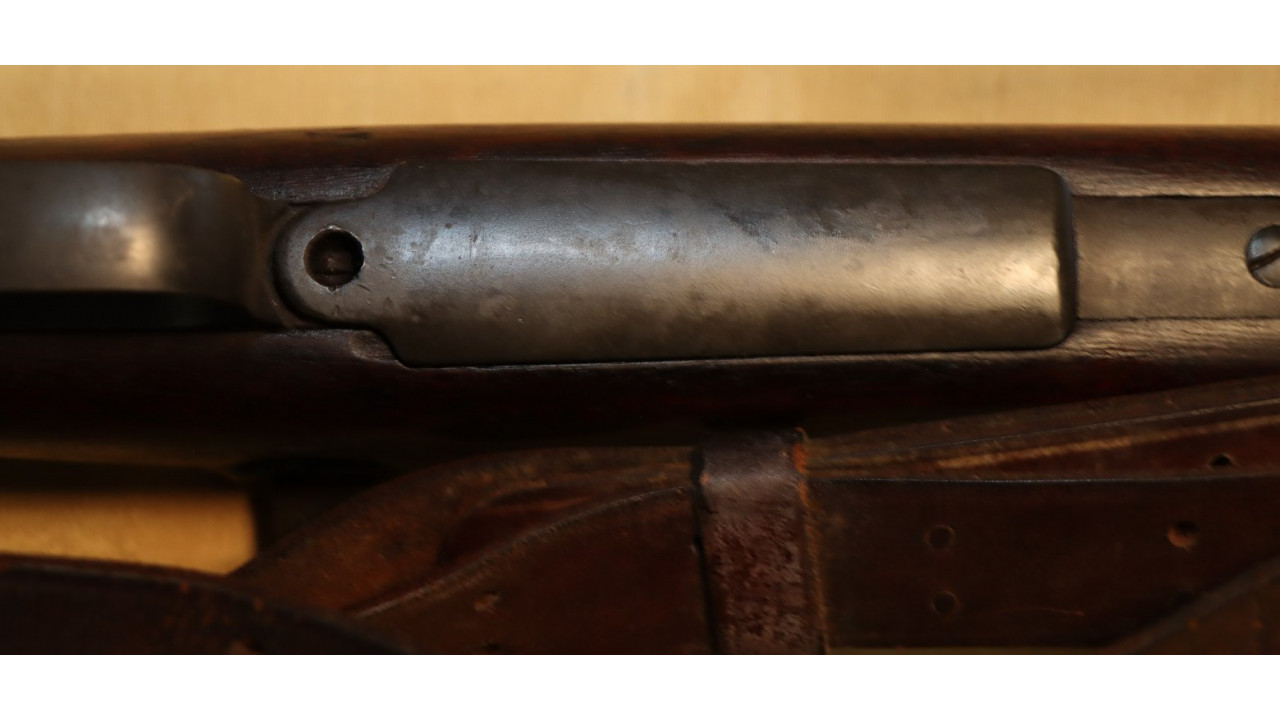
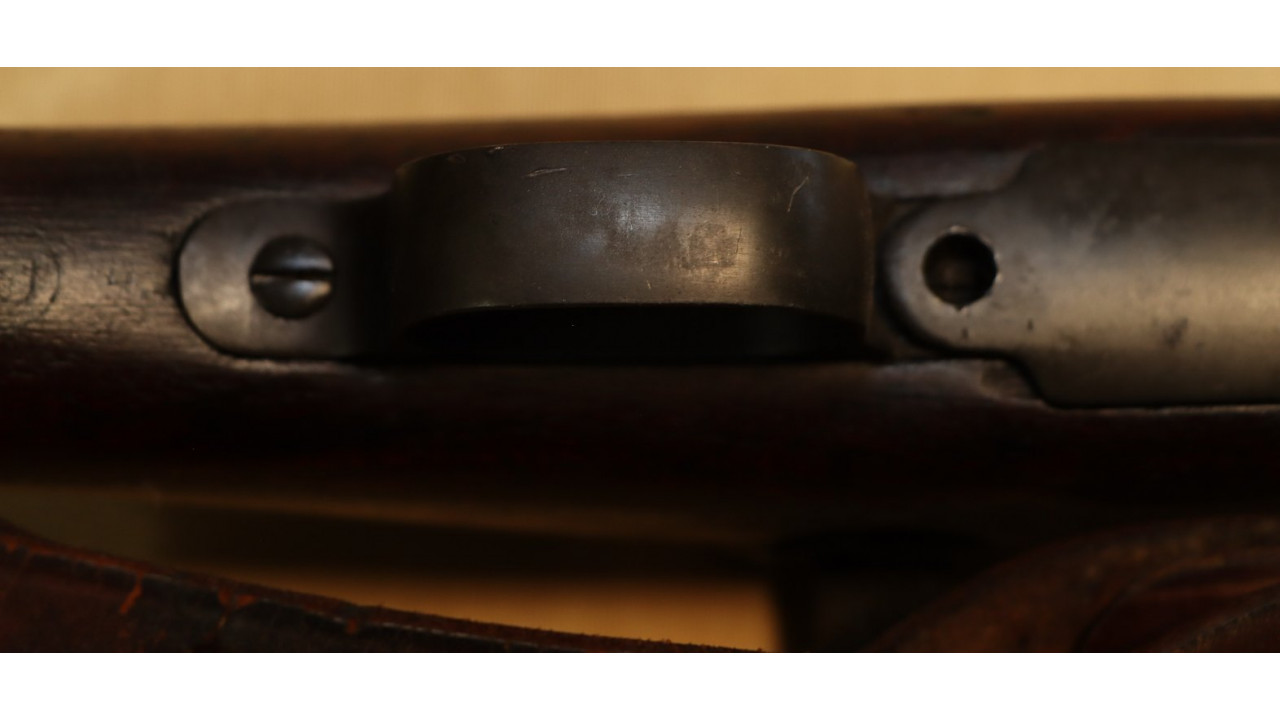
The Trigger Guard is the correct Third Type with the shorter trigger slot. This particular trigger guard retains considerable original finish on the outer surface, to include the floor plate. The top of the Follower also retains the majority of its original finish. Both original Trigger Guard Screws retain the majority of their original finish and have unmarred slots. The Trigger is the correct 2nd Type with six vertical grooves and a knurled tip. The Trigger retains the majority of its original blued finish.
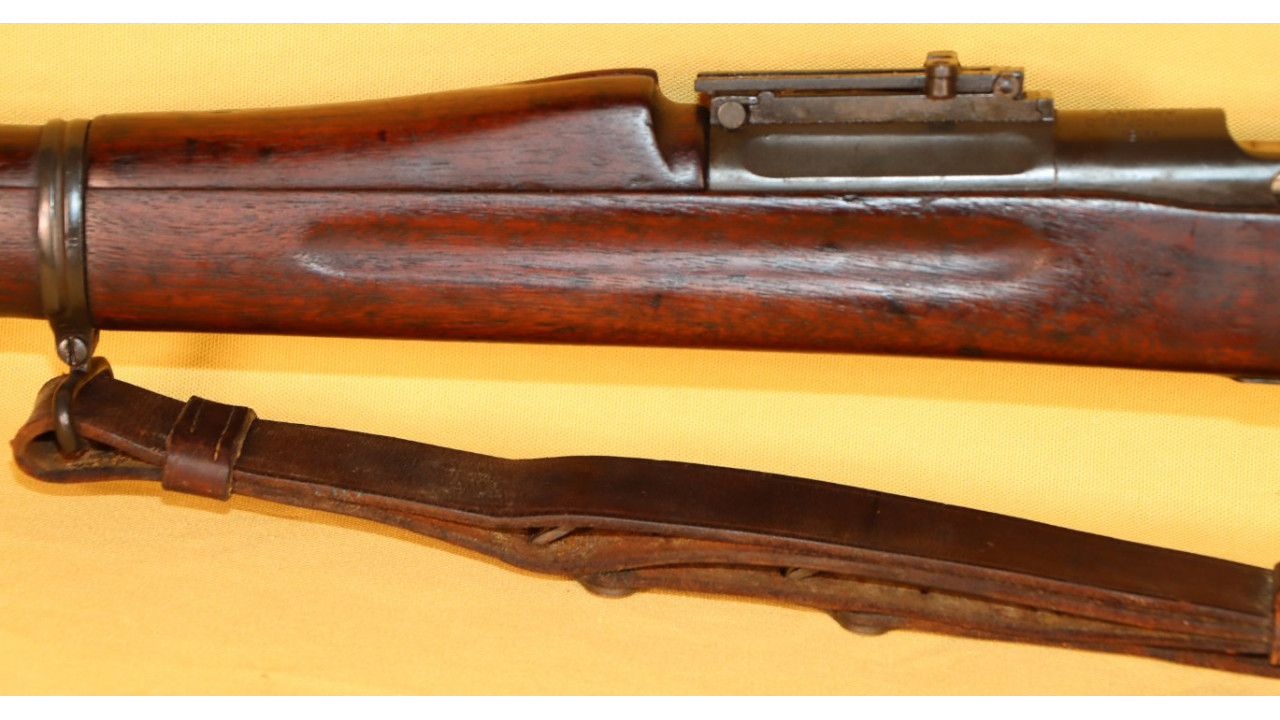
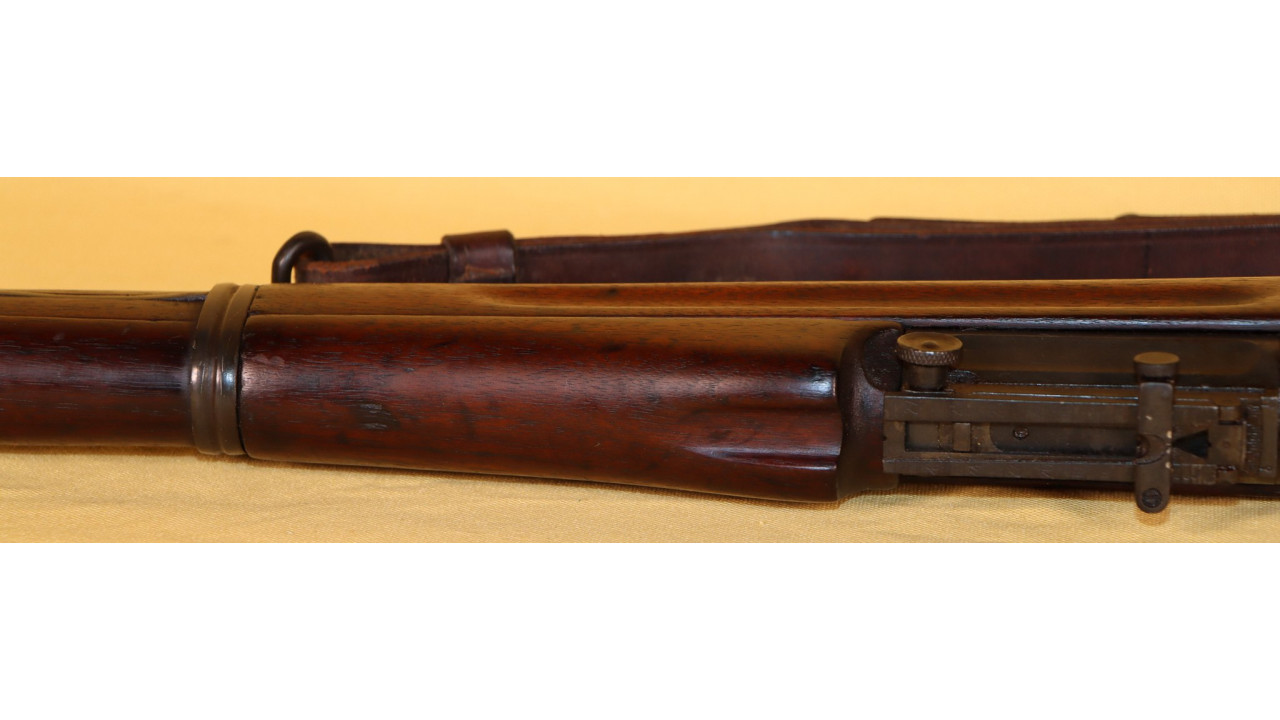
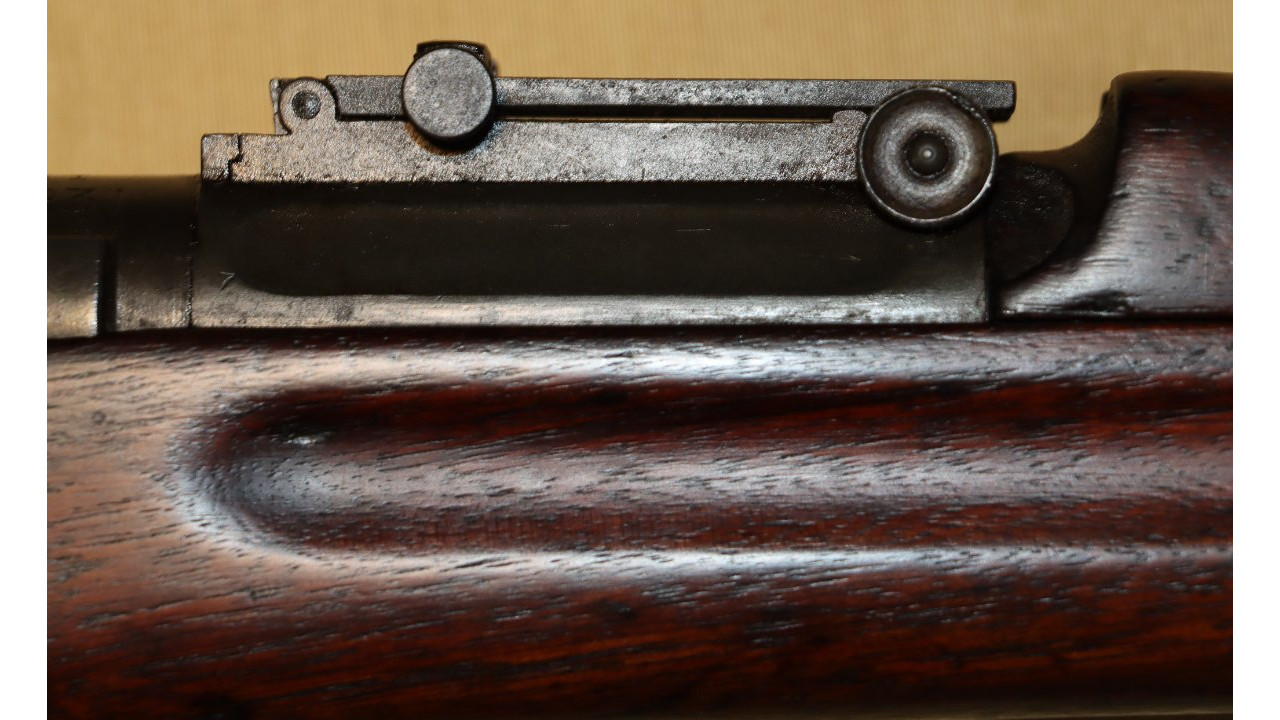
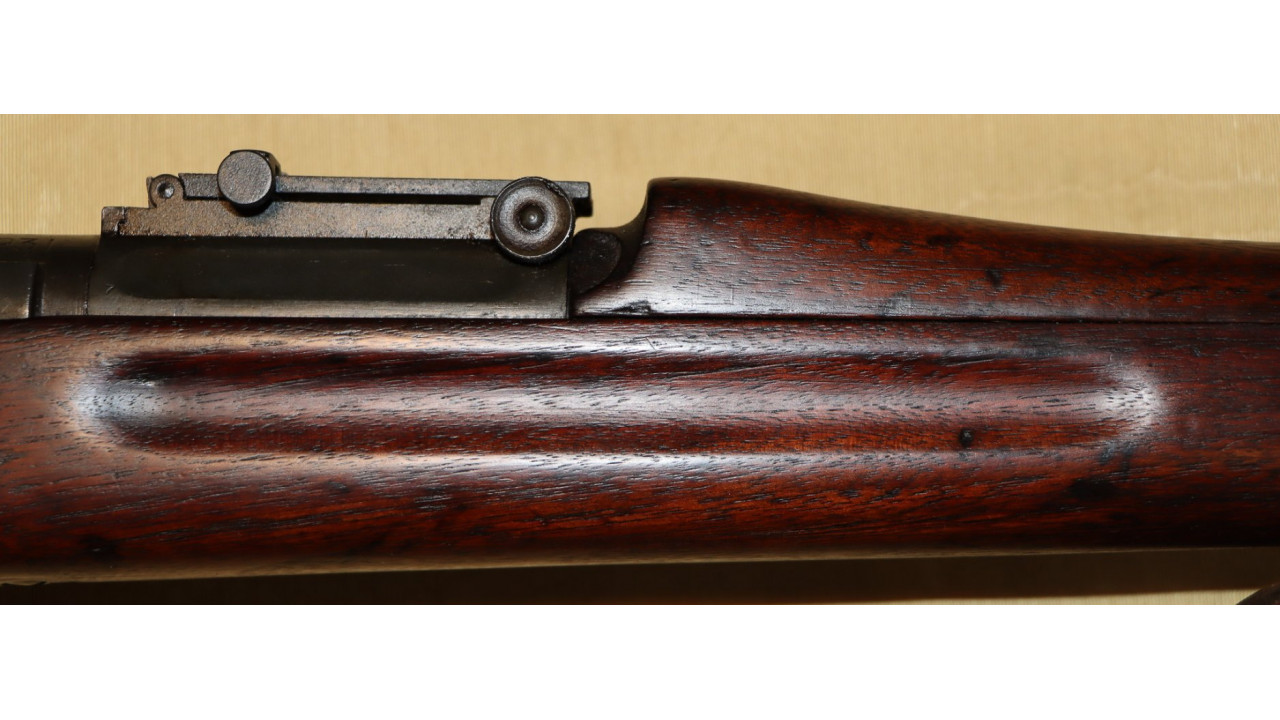
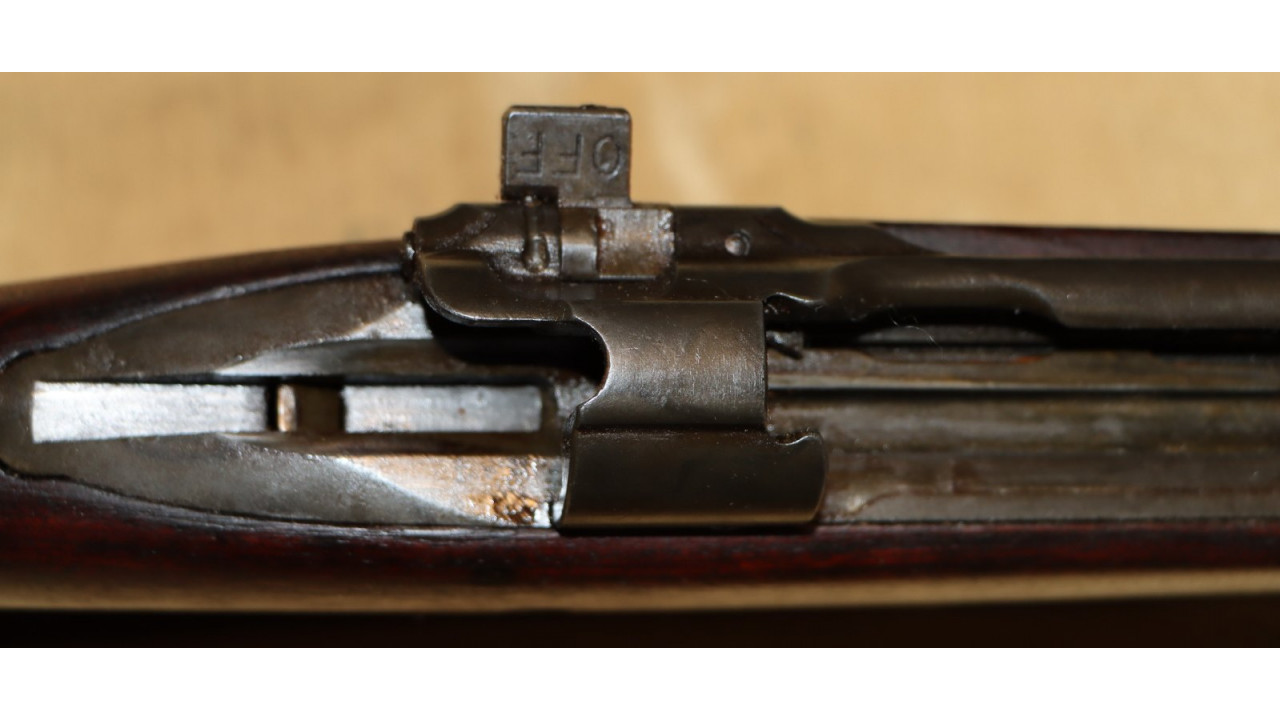
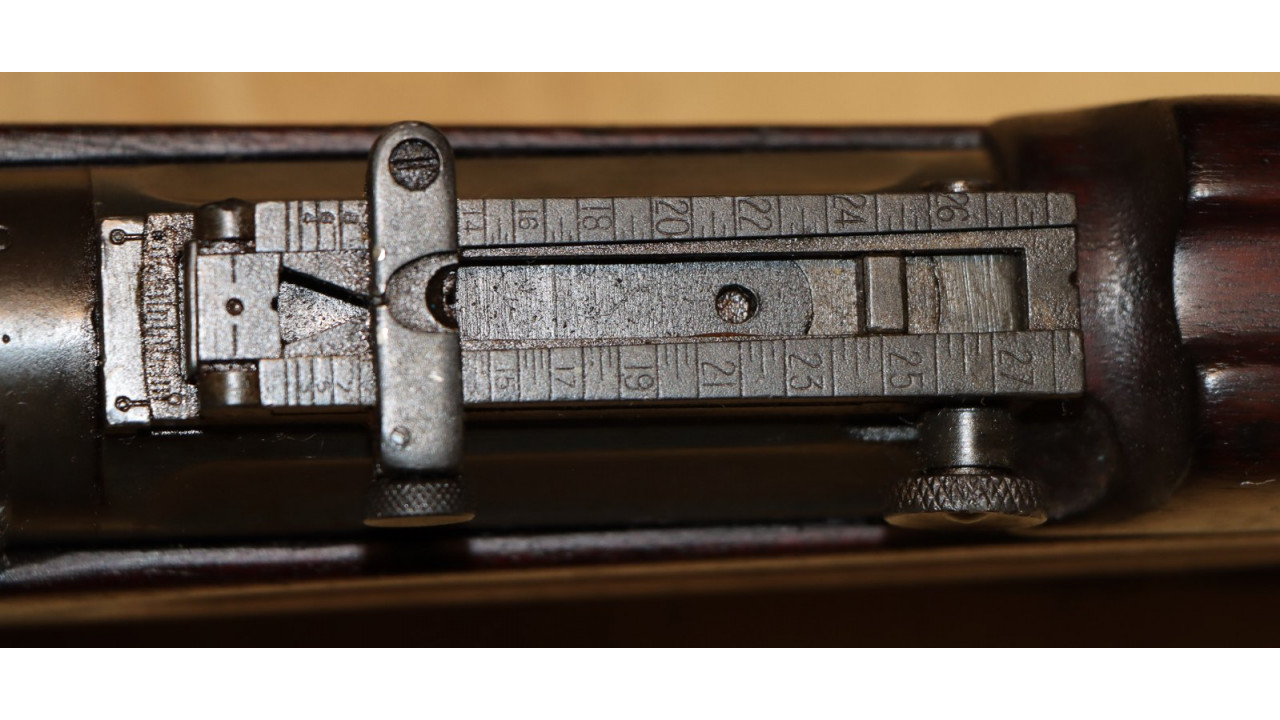
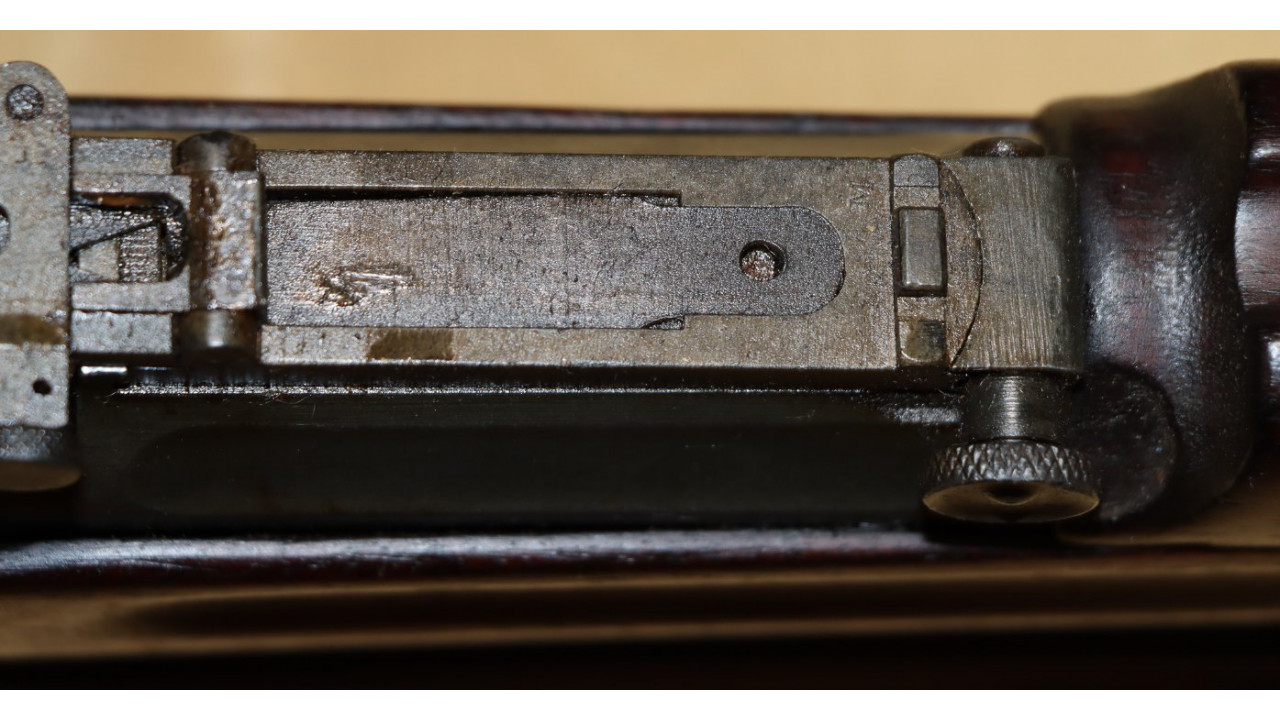
The Adjustable Rear Sight is a Rock Island Arsenal manufactured sight and is in very good condition. The Elevation Slide retains considerable original finish. The Elevation Binding Knob is the later flat side type that retains most of its original finish. The Drift Slide has the horizontal line that bisects the peep hole, and it retains the majority of its original finish. The rear of the Drift Slide has the number “5” stamp, indicating the size of the peep is .05” in diameter.
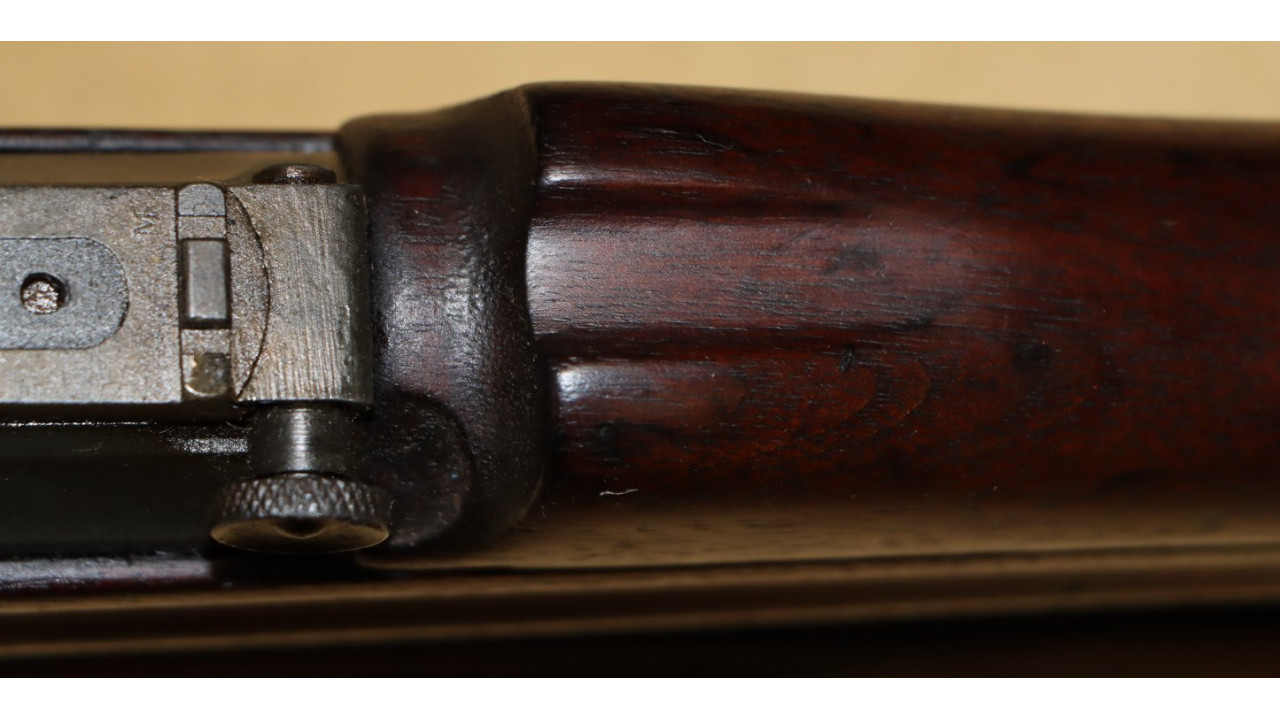
The Rear Sight Moveable Base retains considerable original, though very dull, finish that is now largely thinning on the sides. The Spring retains the majority of its original finish. The Windage Knob is the correct ½” diameter type that is knurled along the outer edge with no groove and it has the concave outer surface with raised dimple. The Knob retains generally a plum patina. The fixed rear sight base is the correct type with lightening cuts on the sides. The top portion of the base exhibits a largely plum patina from exposure and the bottom, protected side retains the majority of its original blued finish. The right, rear side has an “O” stamp.
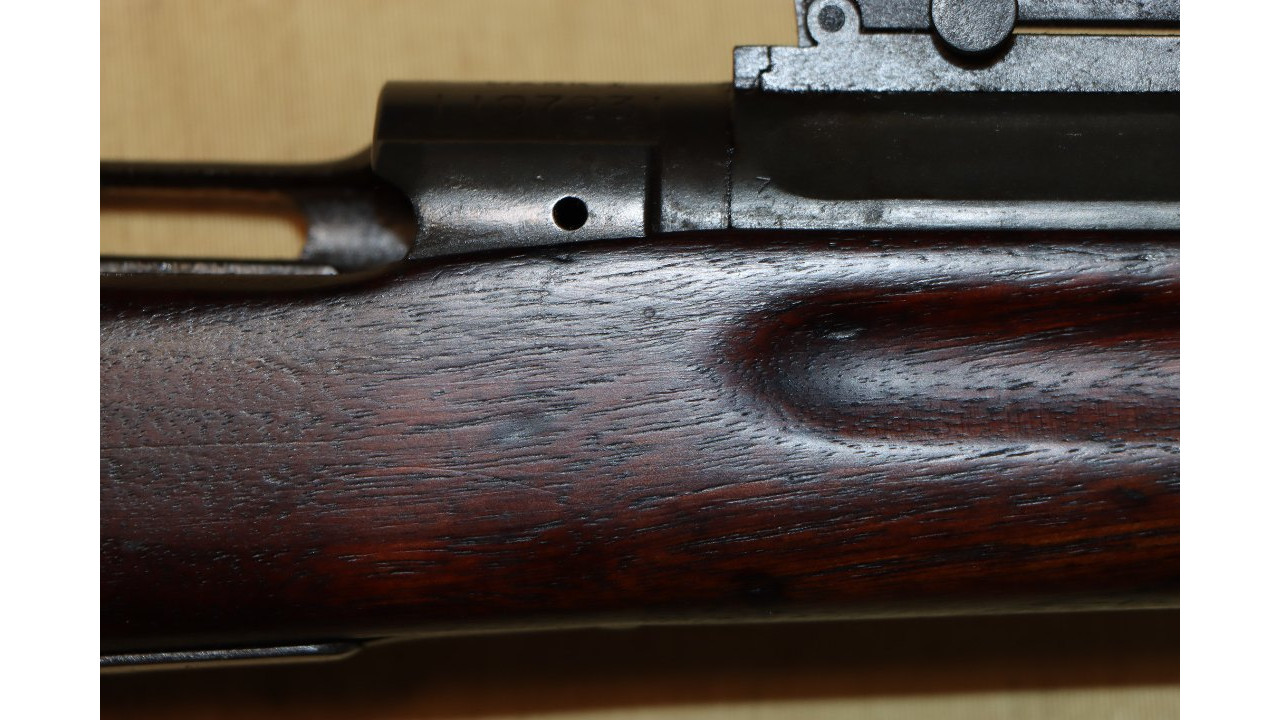
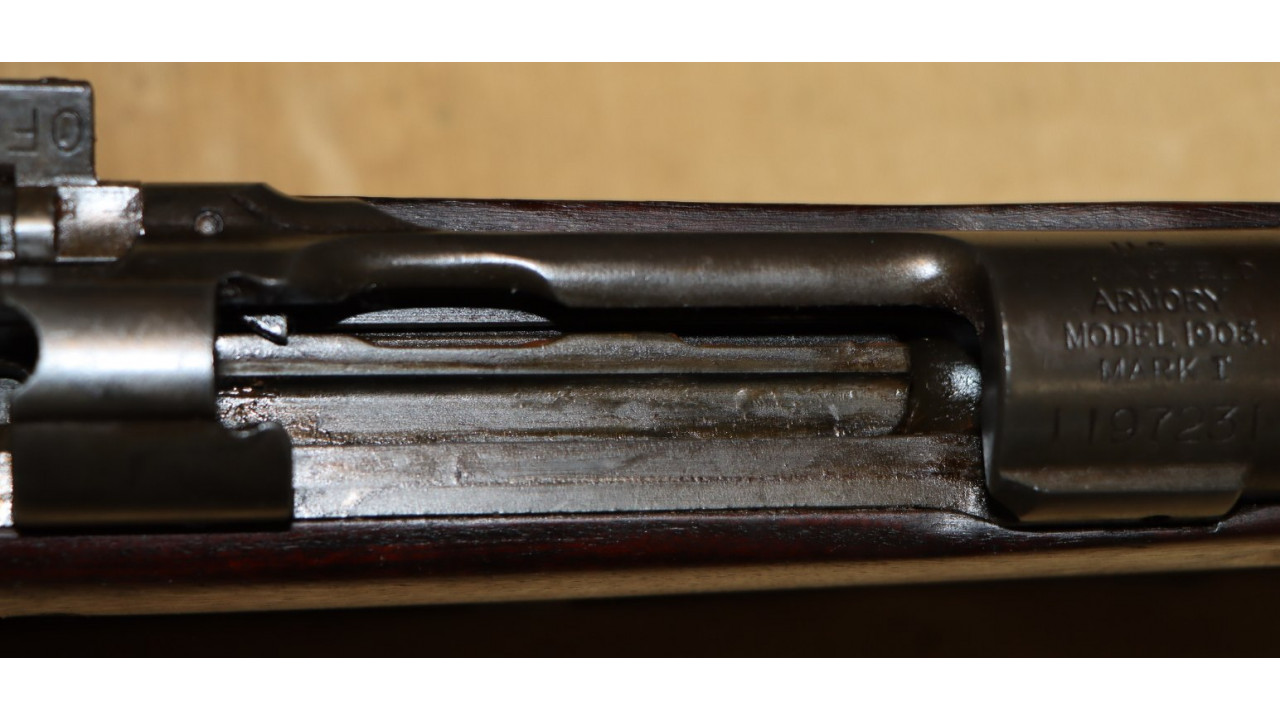
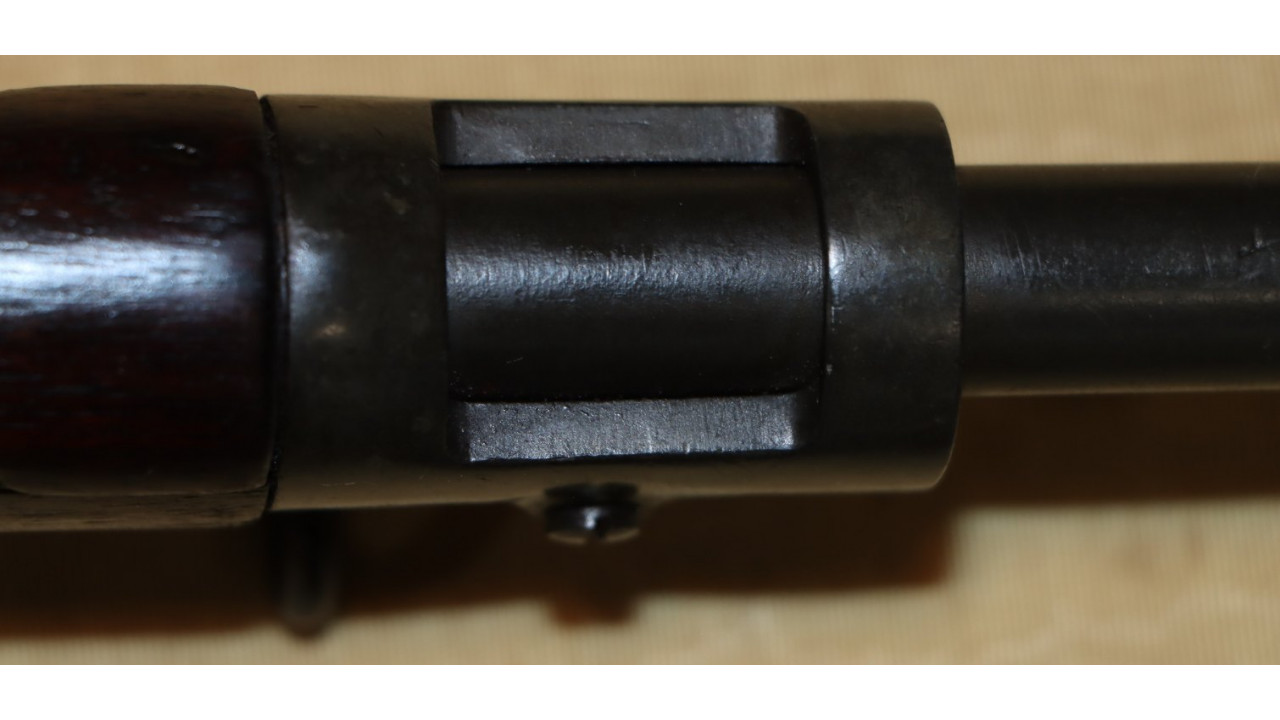
The Receiver is in its original configuration and was never modified with the addition of a Hatcher hole. The Receiver retains the majority of its original finish on the exposed portion. The top of the chamber is marked with the sans serif “U.S. / SPRINGFIELD / ARMORY / MODEL 1903.” followed by “MARK I”, followed by the serial number in sans serif, “1197231,” over the chamber. The original Bolt Stop, Hold Open mechanism is in place, and it retains the majority of its original blue finish with the pin remaining in the white on the exposed end. The interior rails retain considerable original finish with wear noted on the friction points and sharp edges. The Ejector is present and retains considerable blue finish with the exception of the point and leading edge. The original Cutoff retains the majority of its original finish and functions correctly.
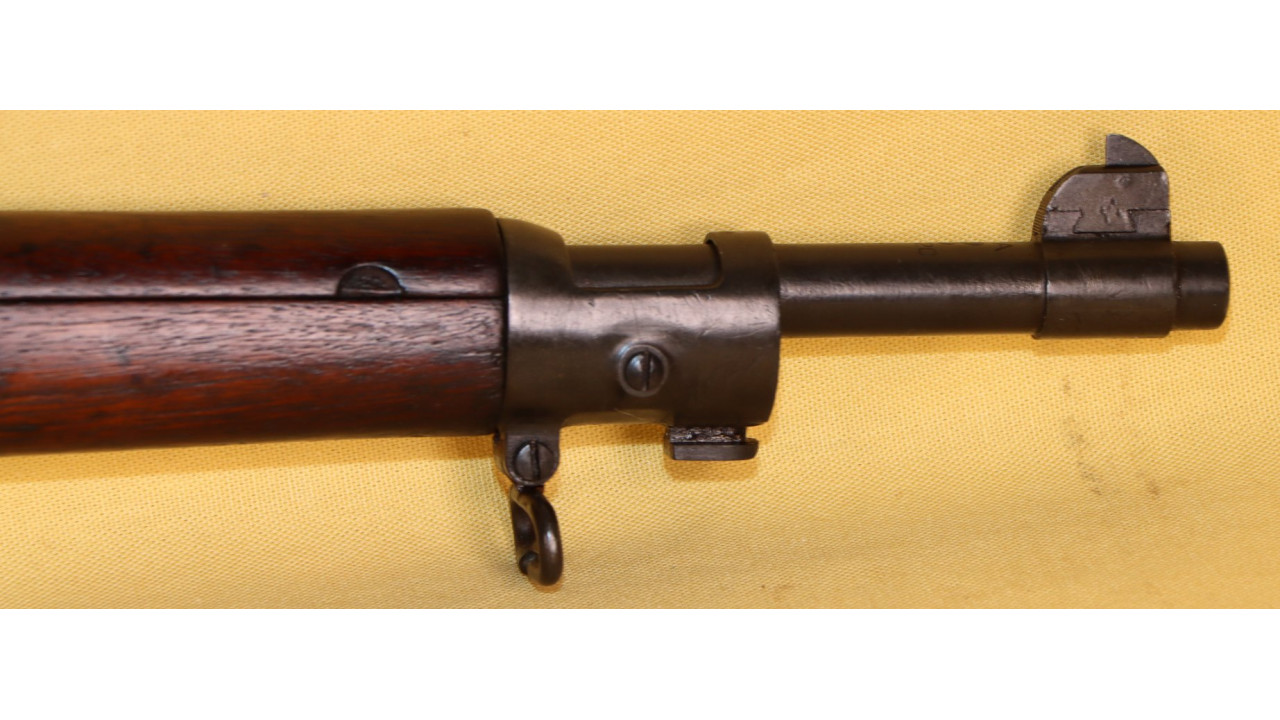
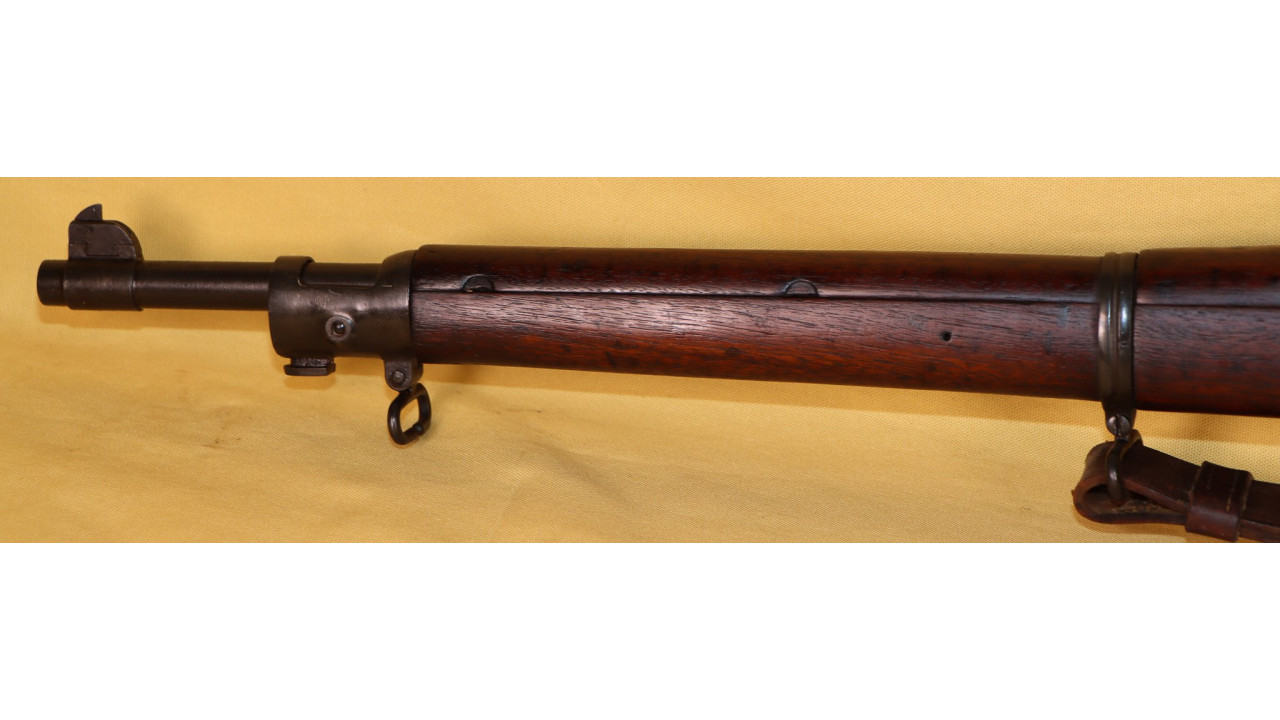
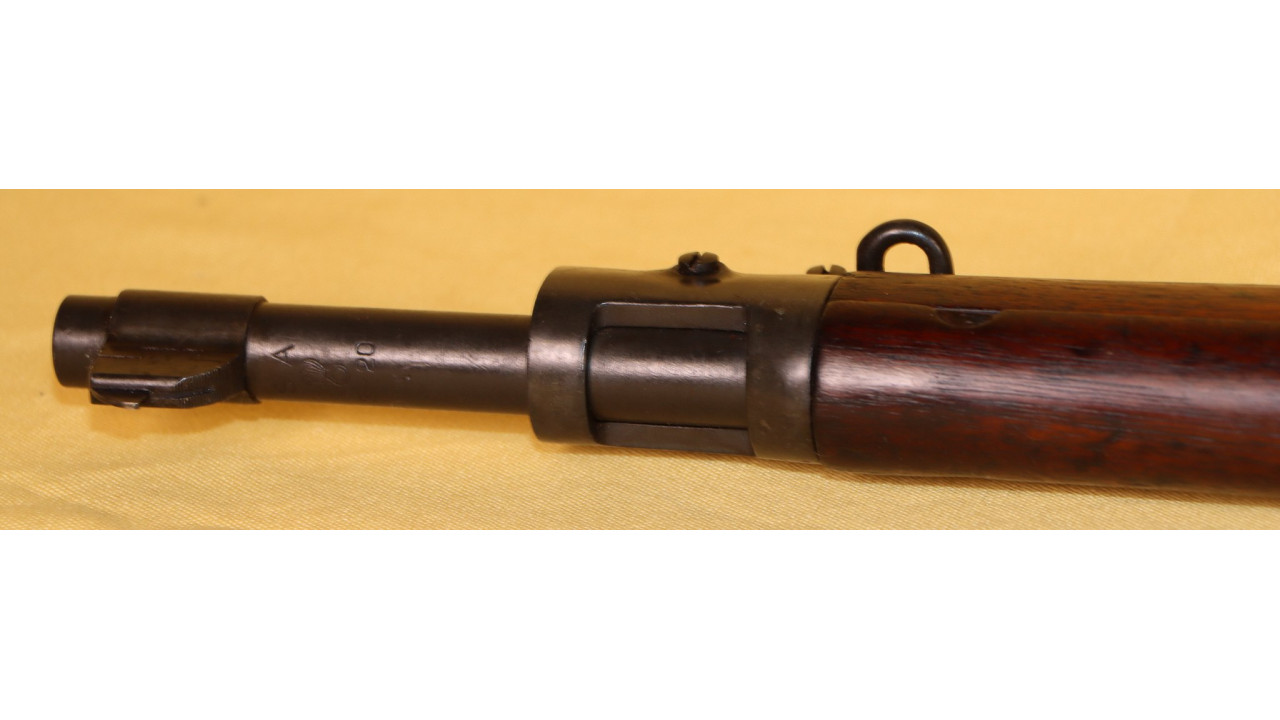
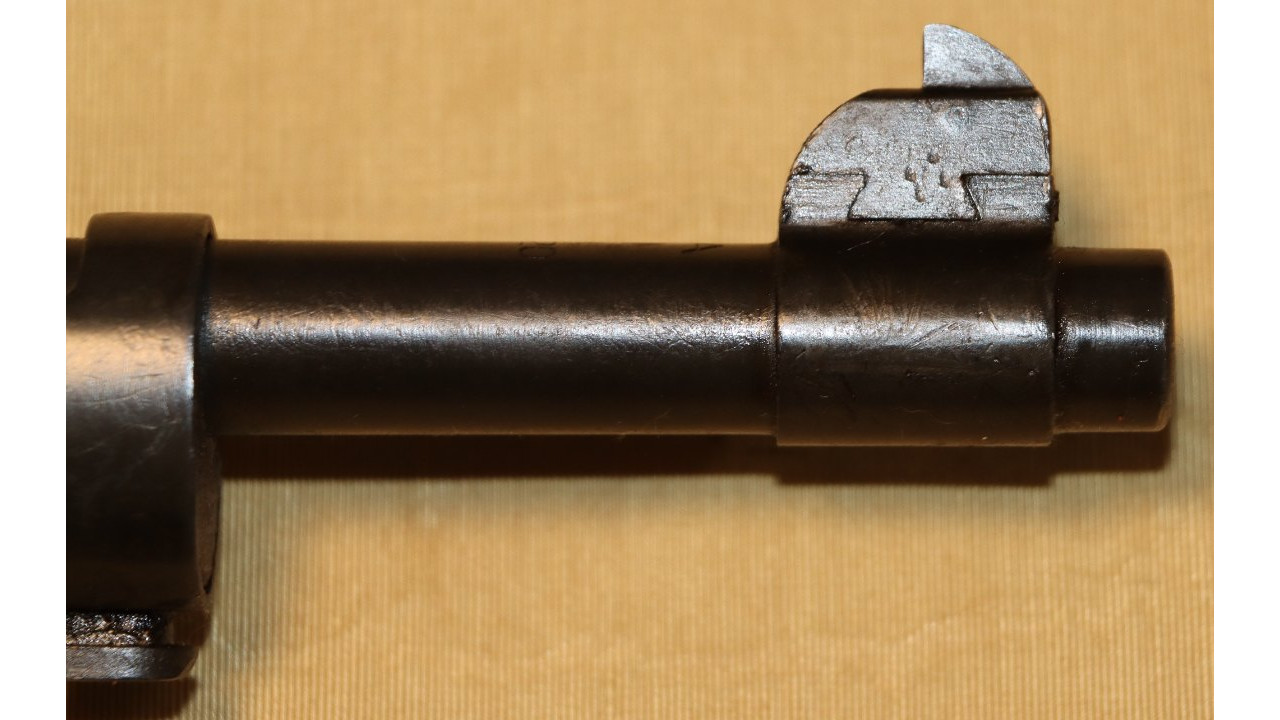
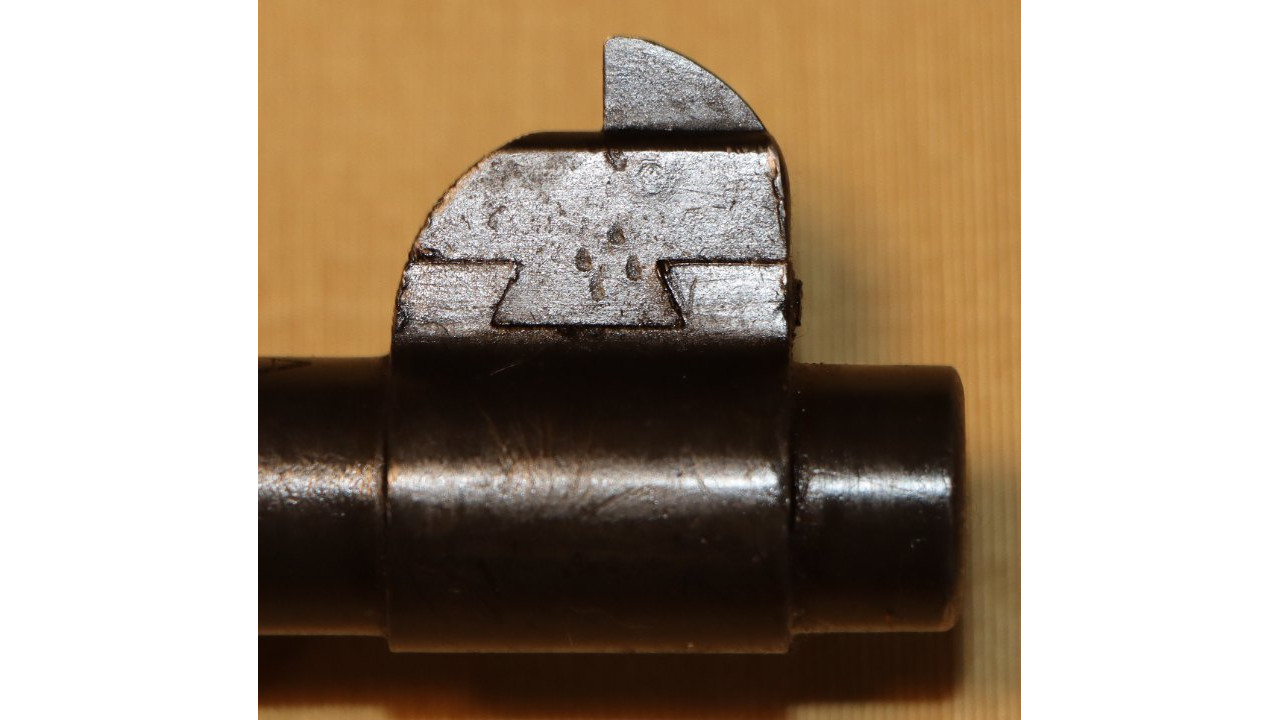
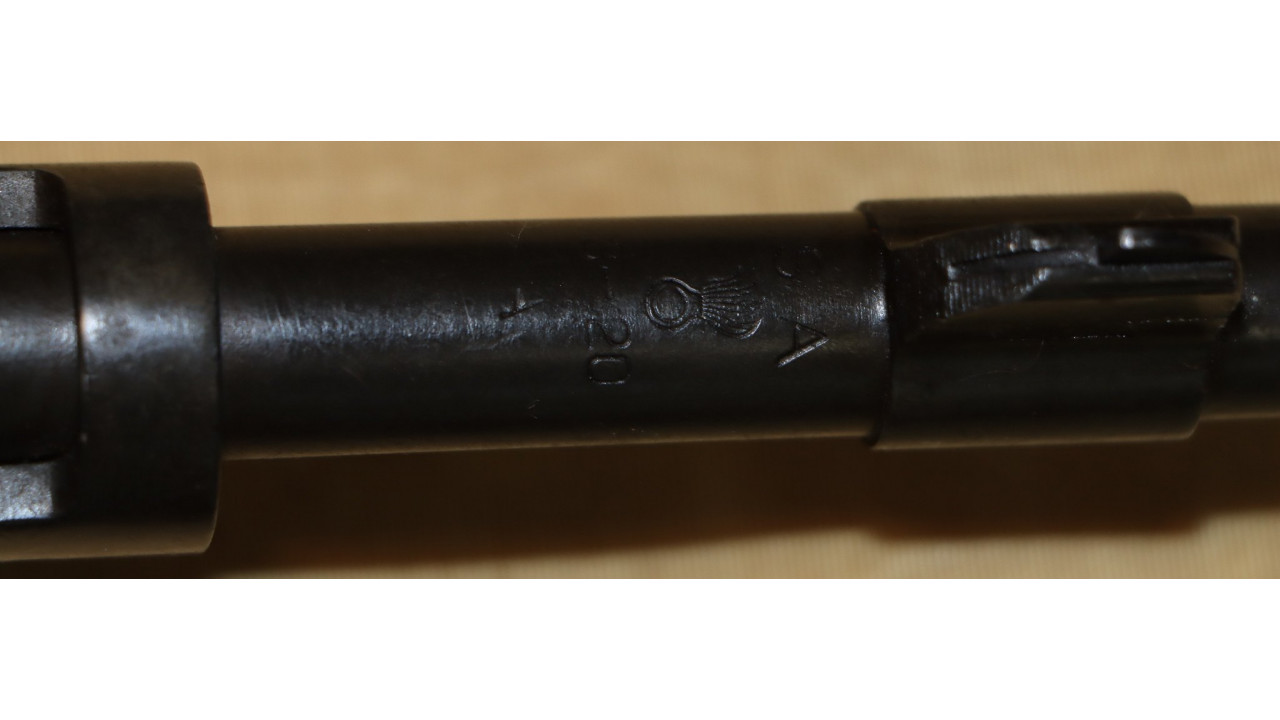
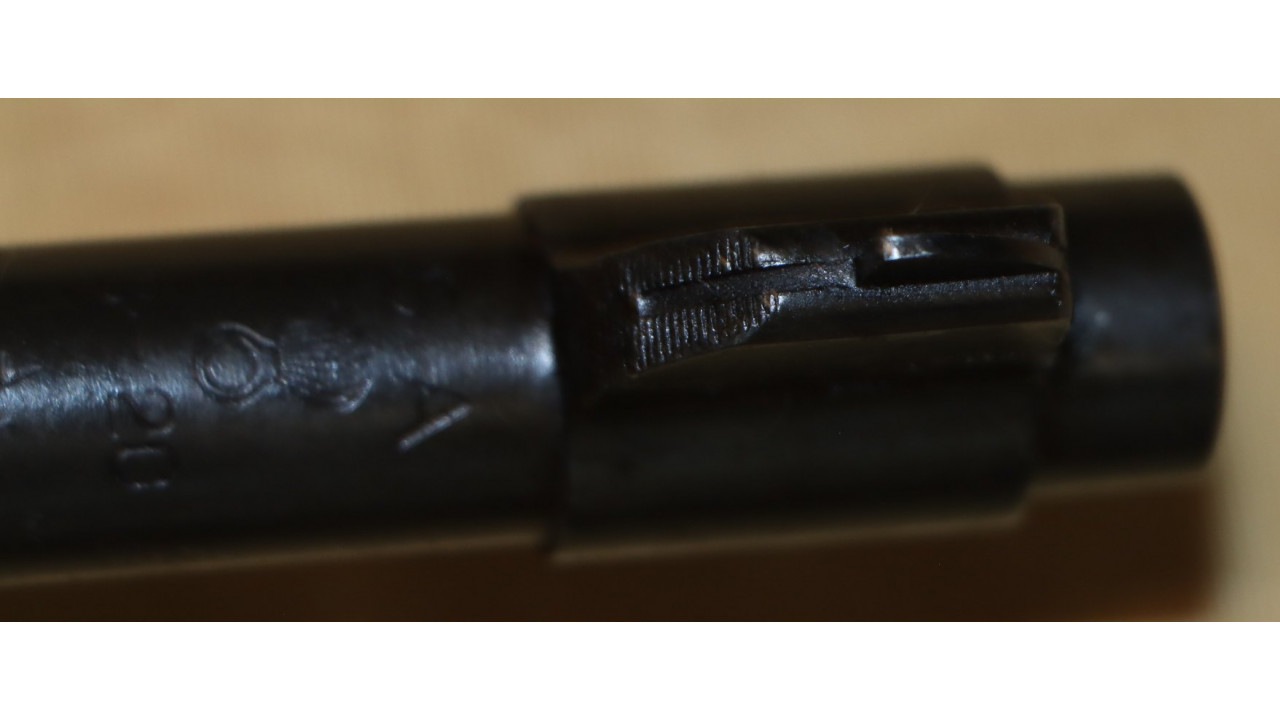
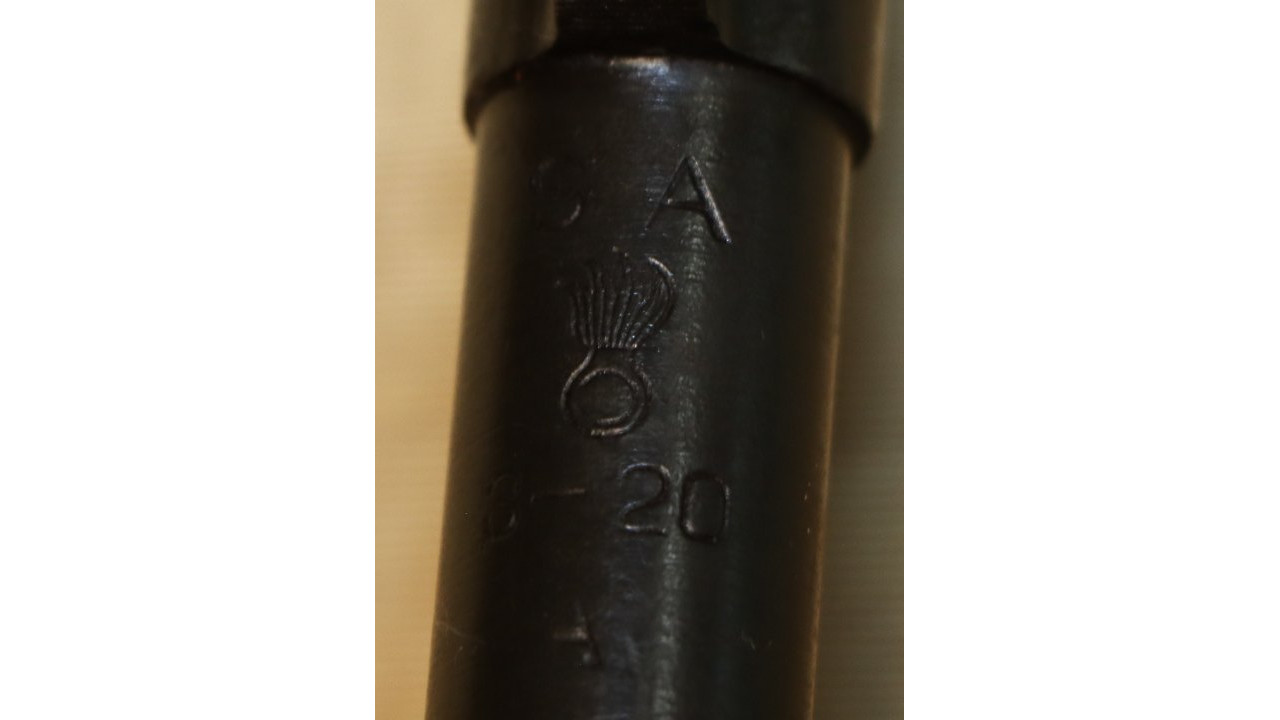
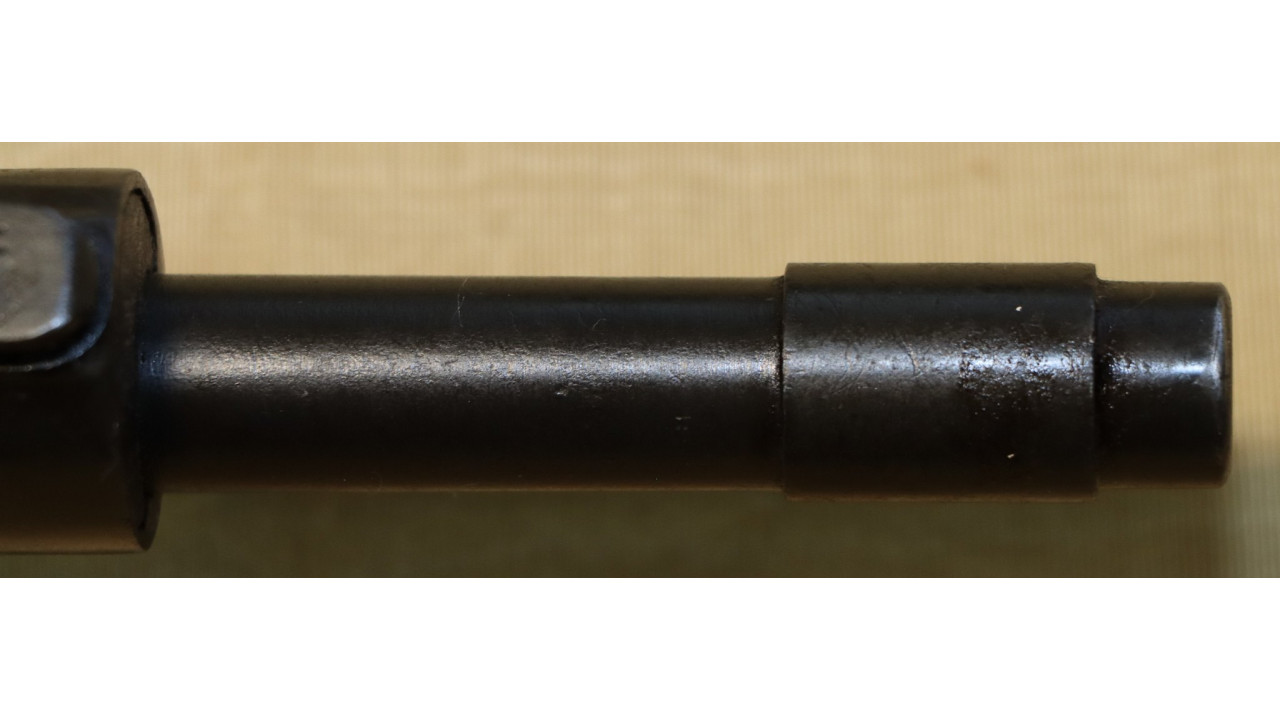
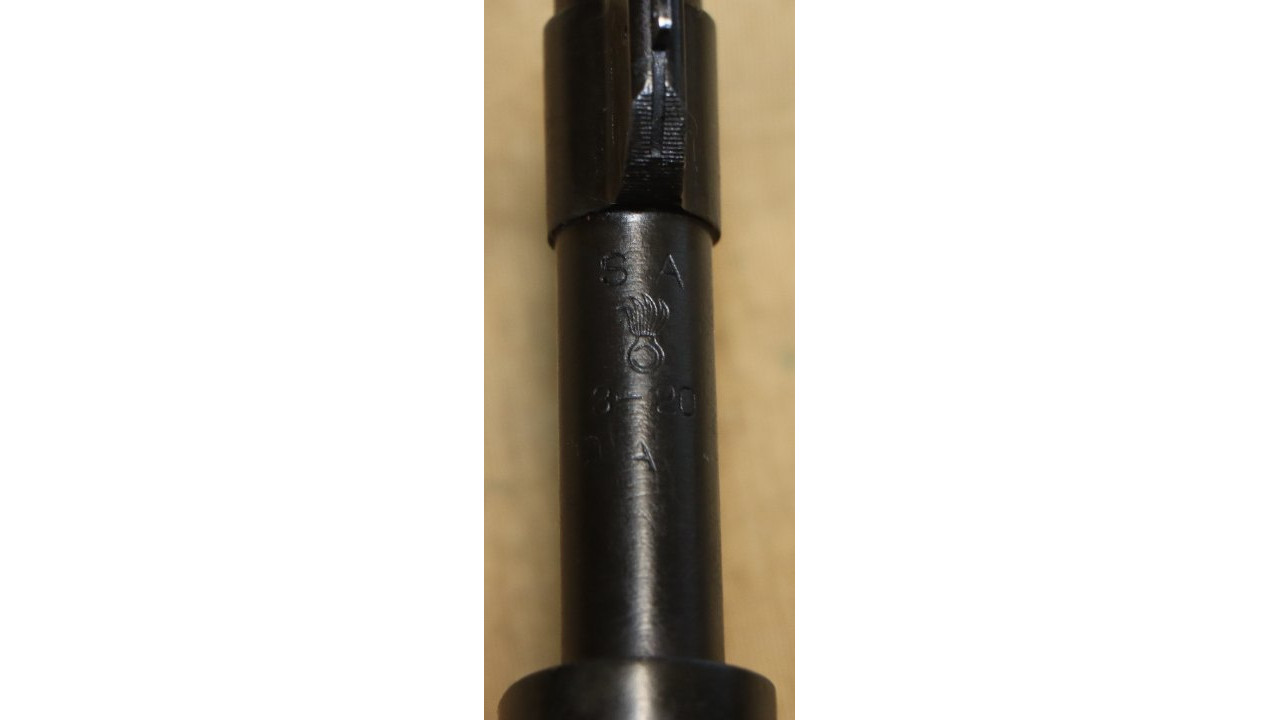
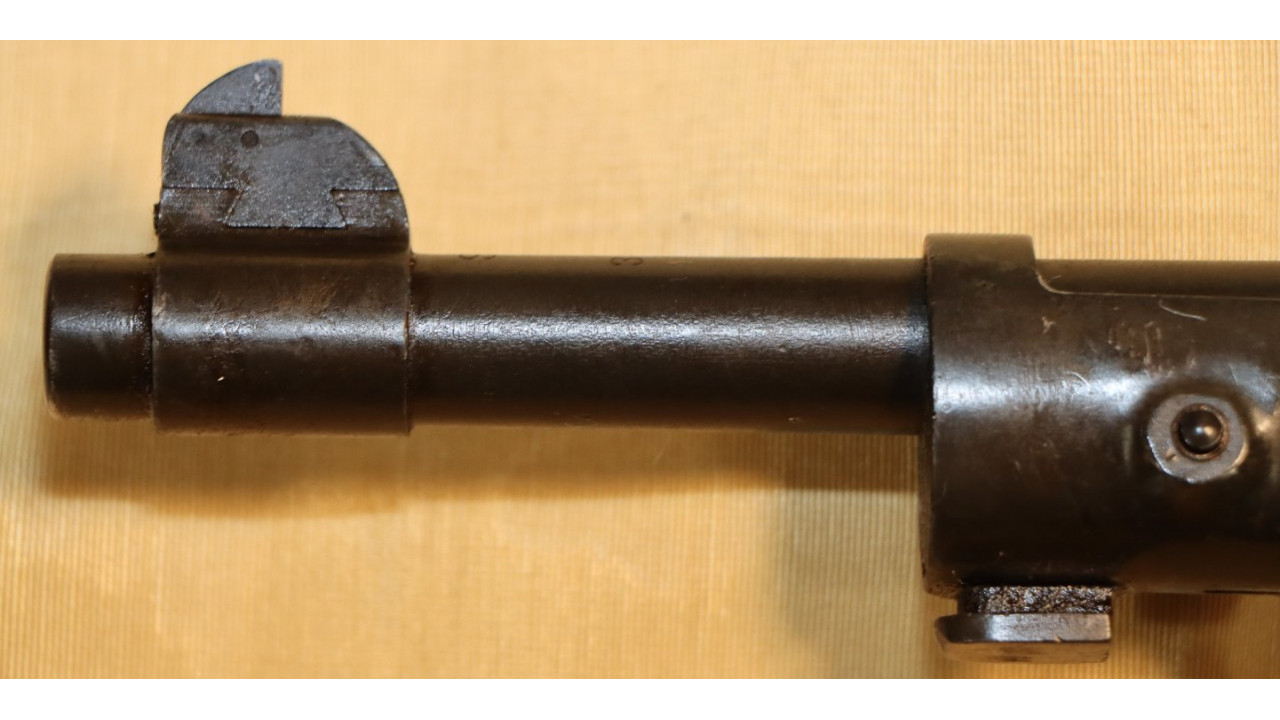
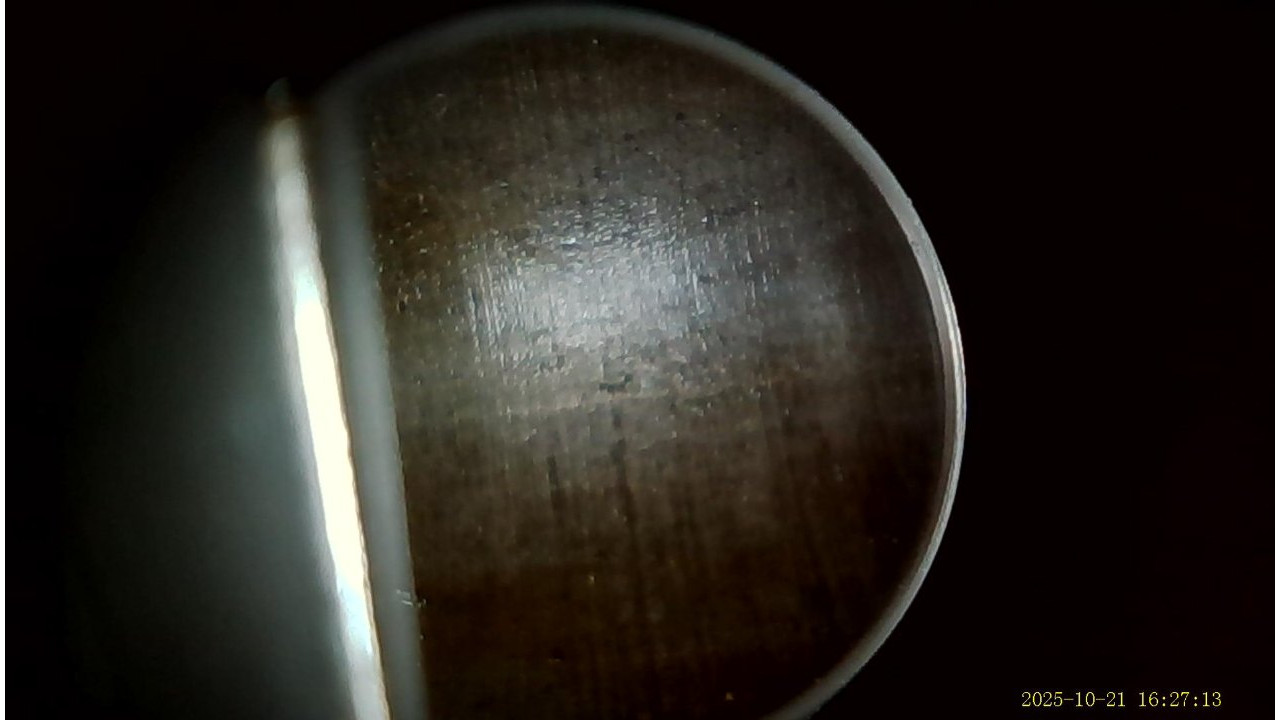
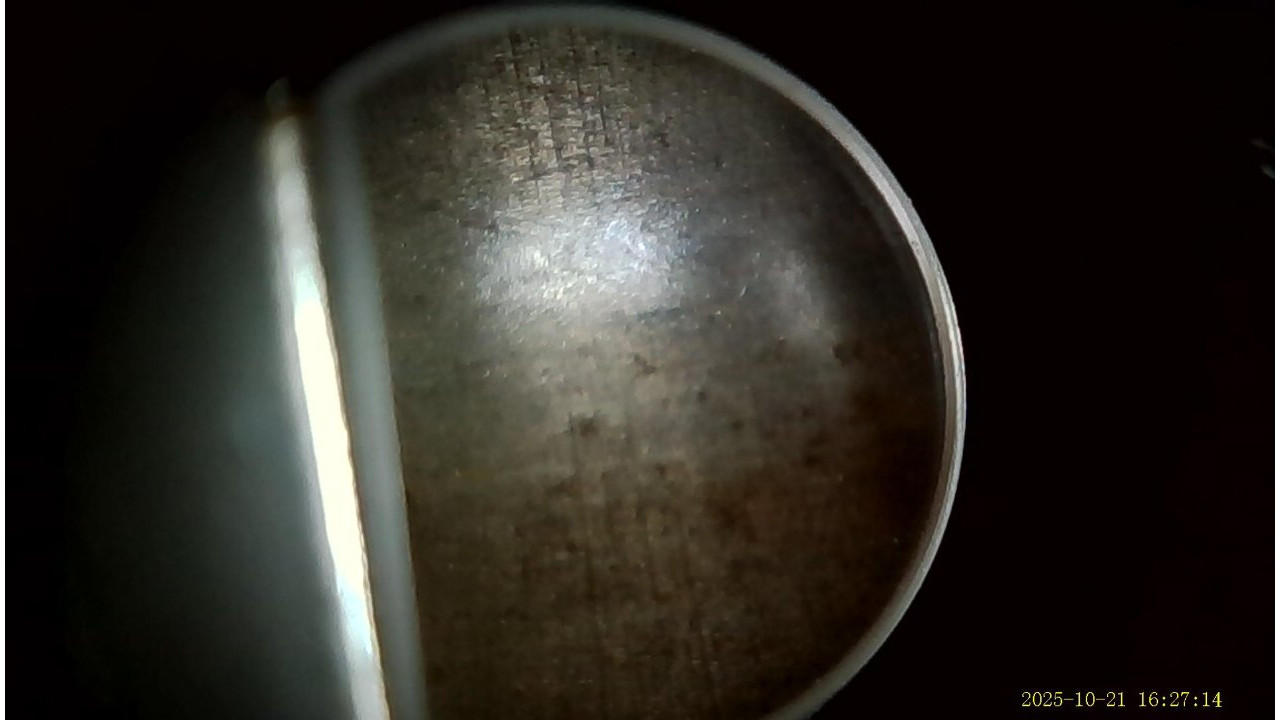
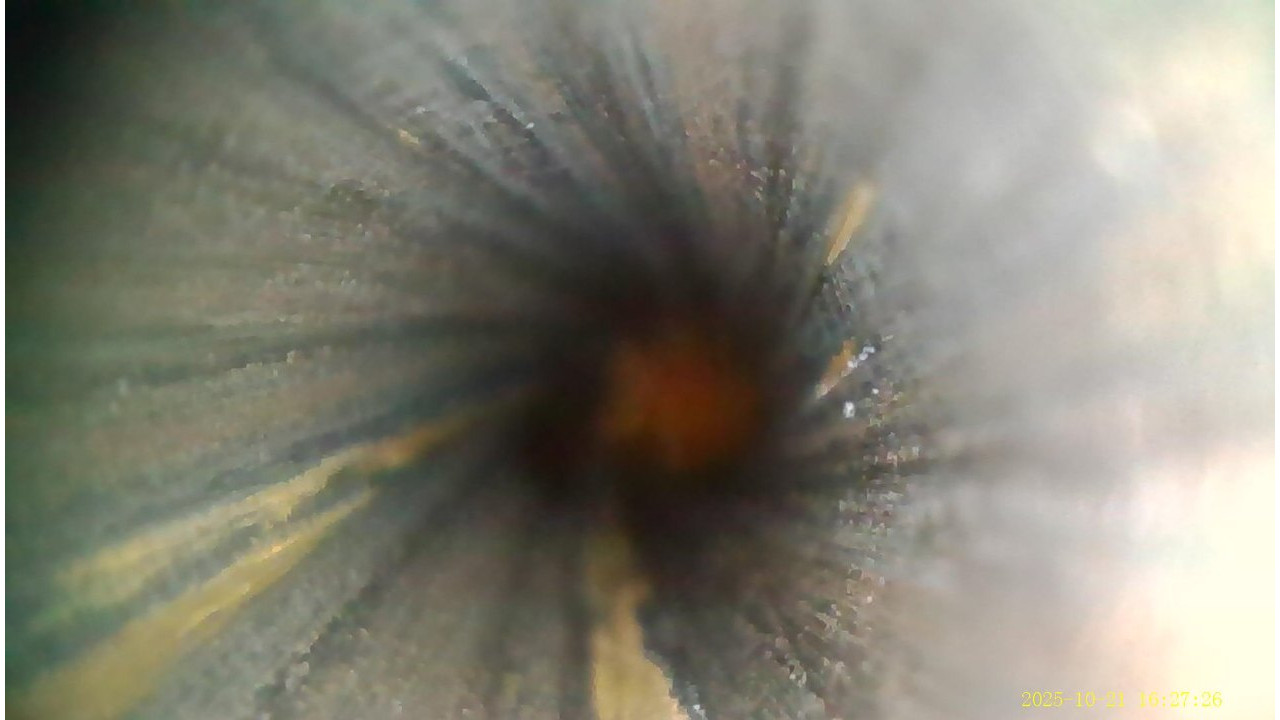
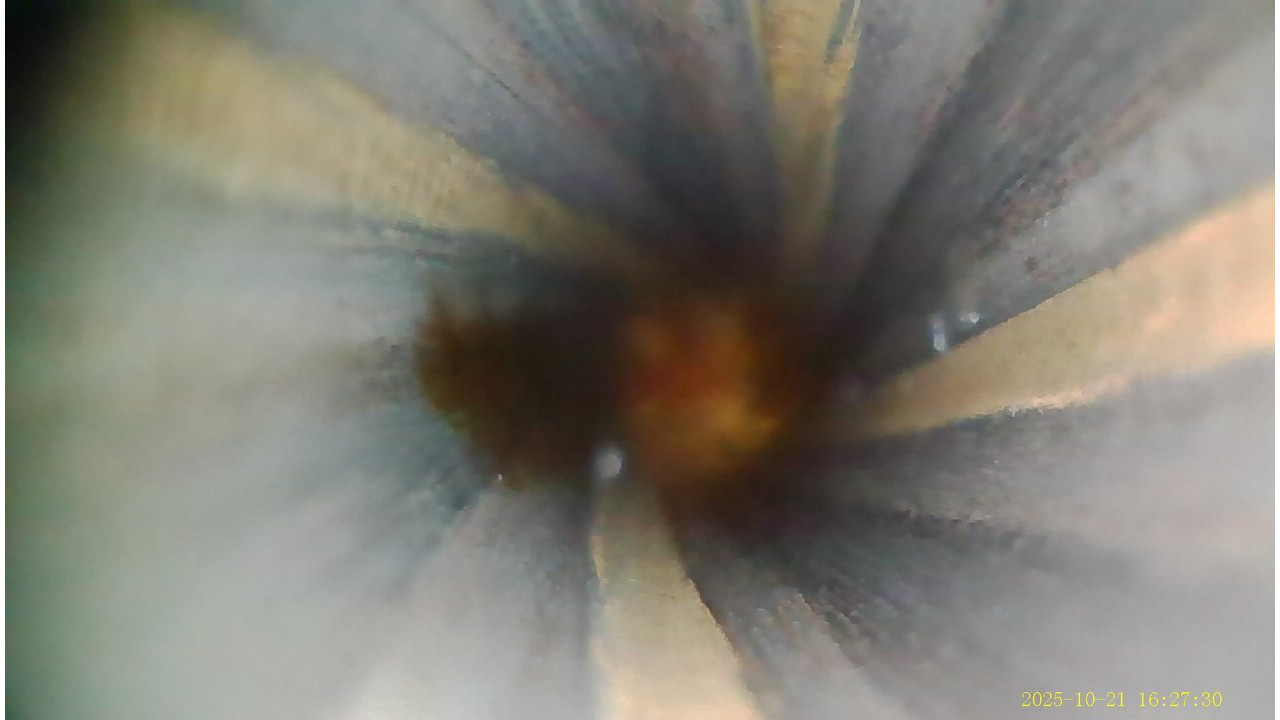
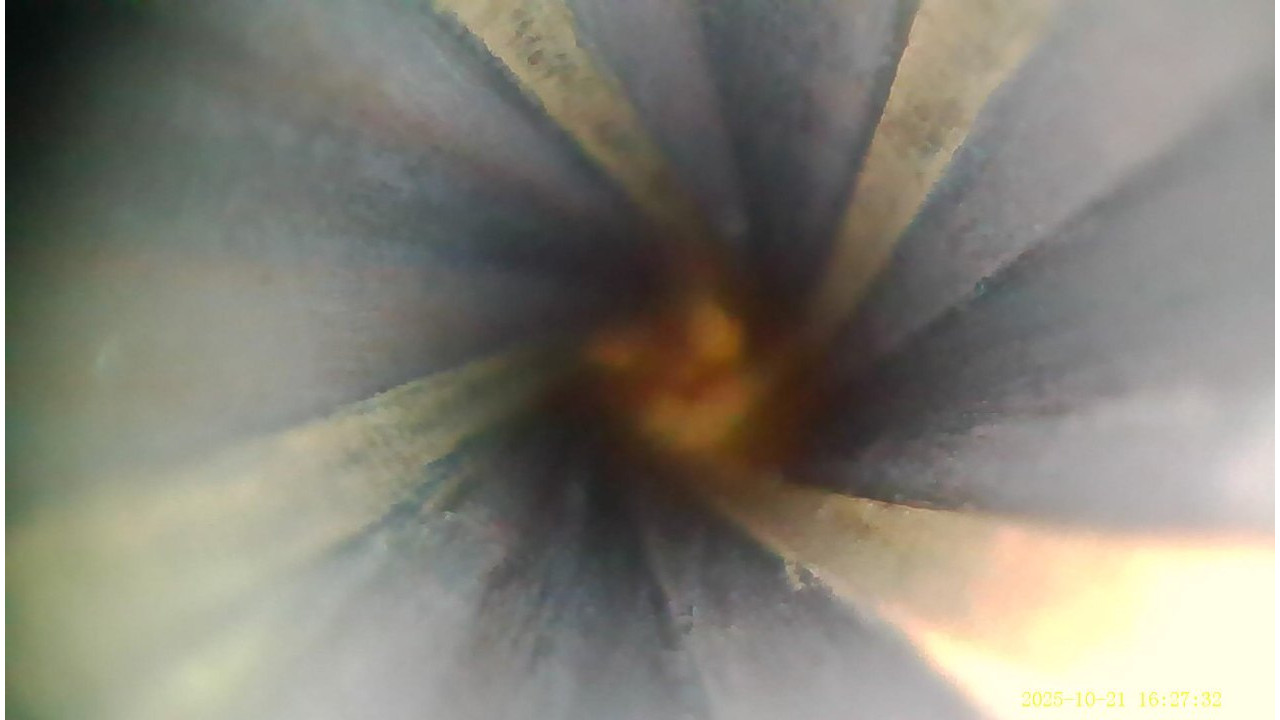
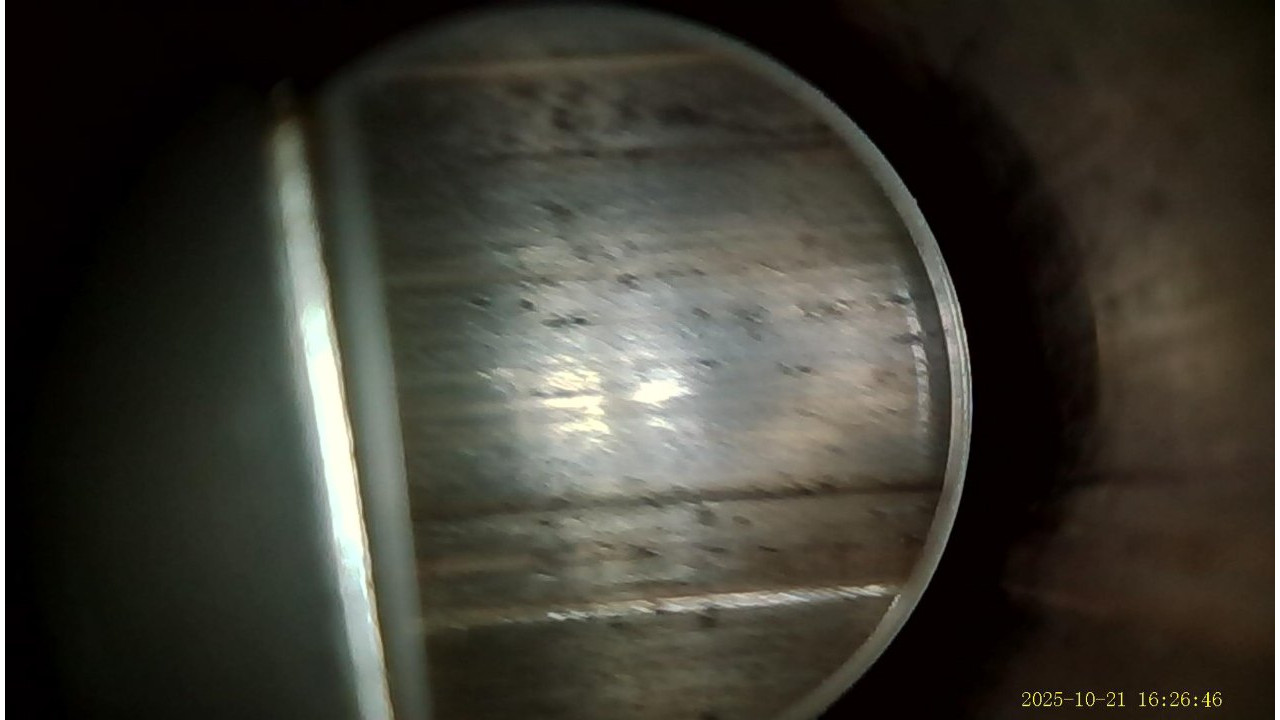
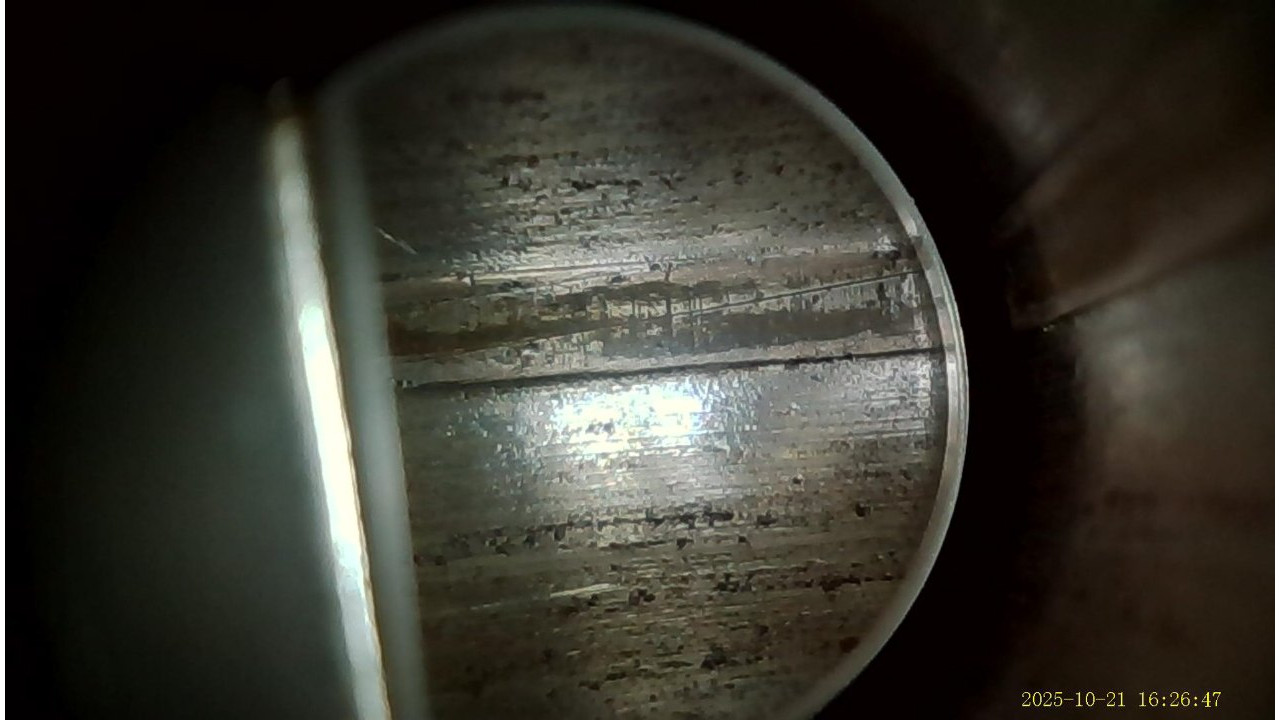
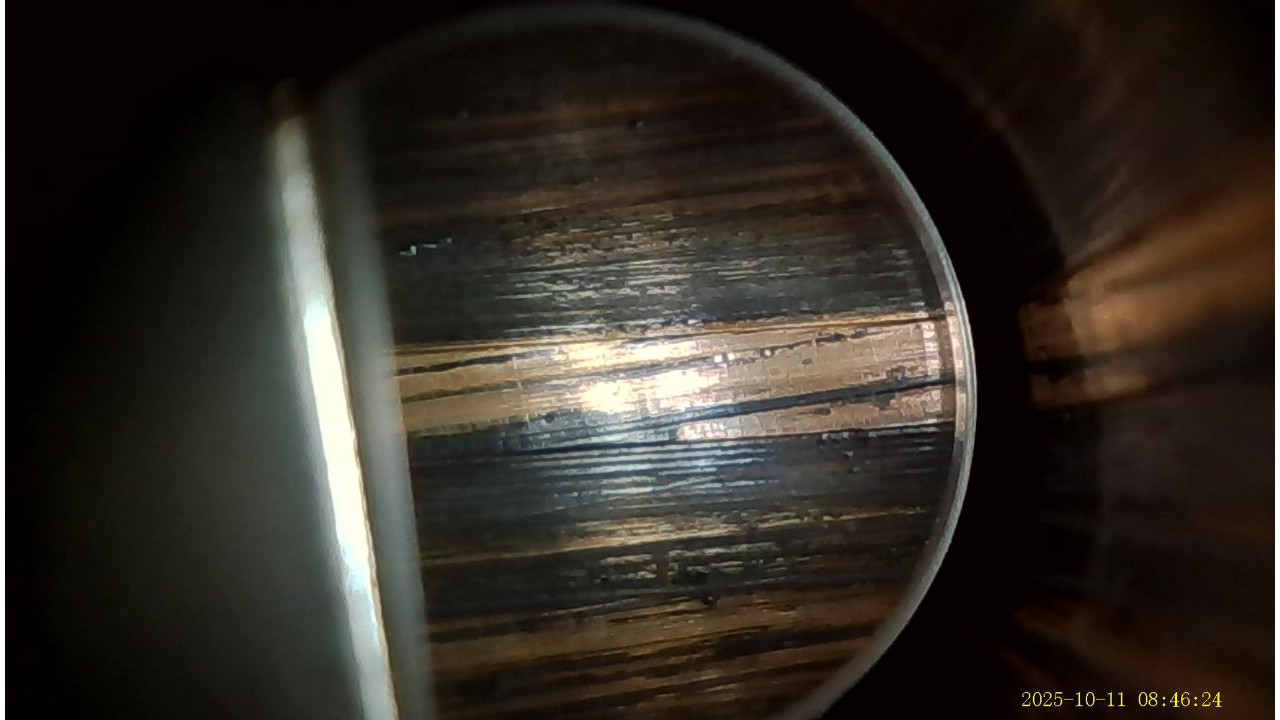
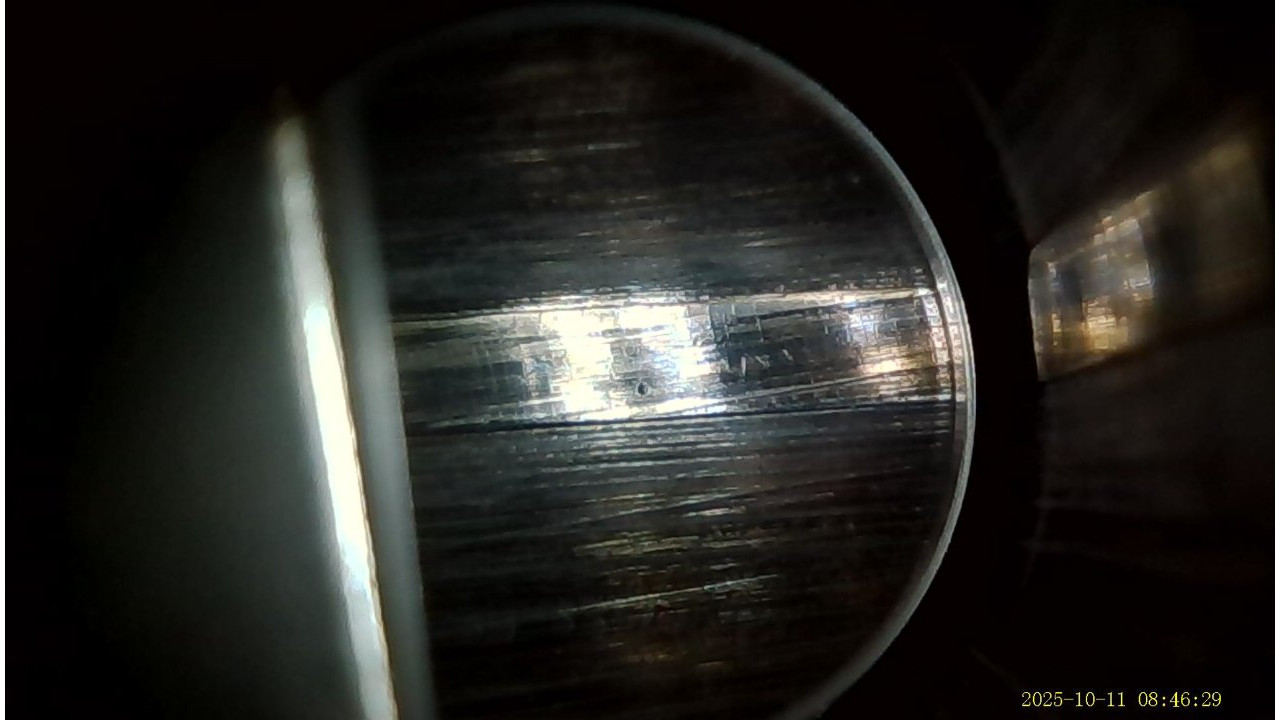
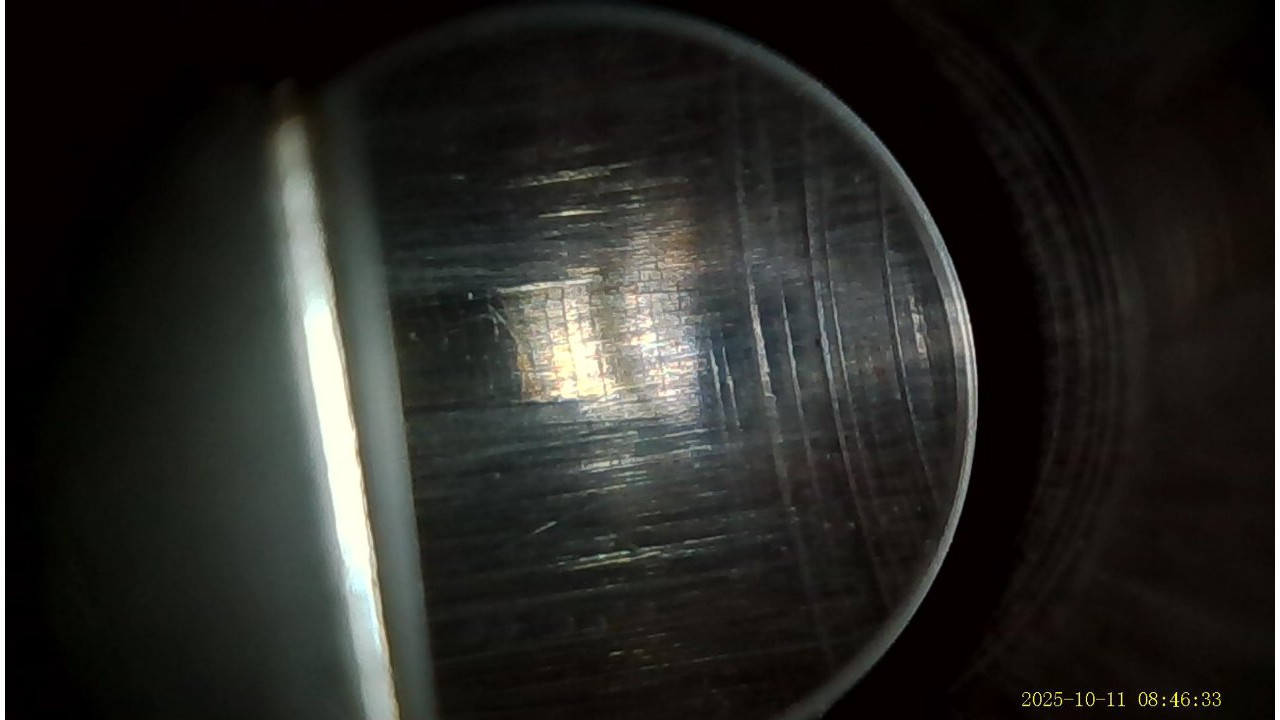
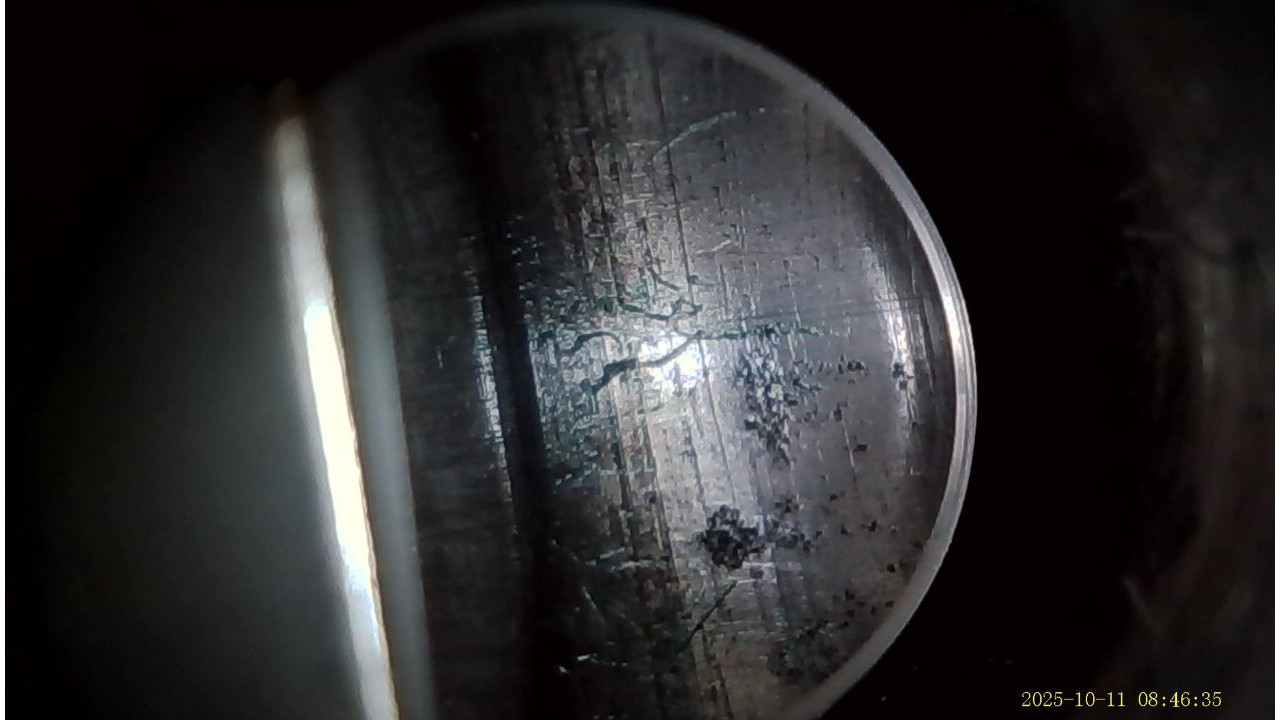
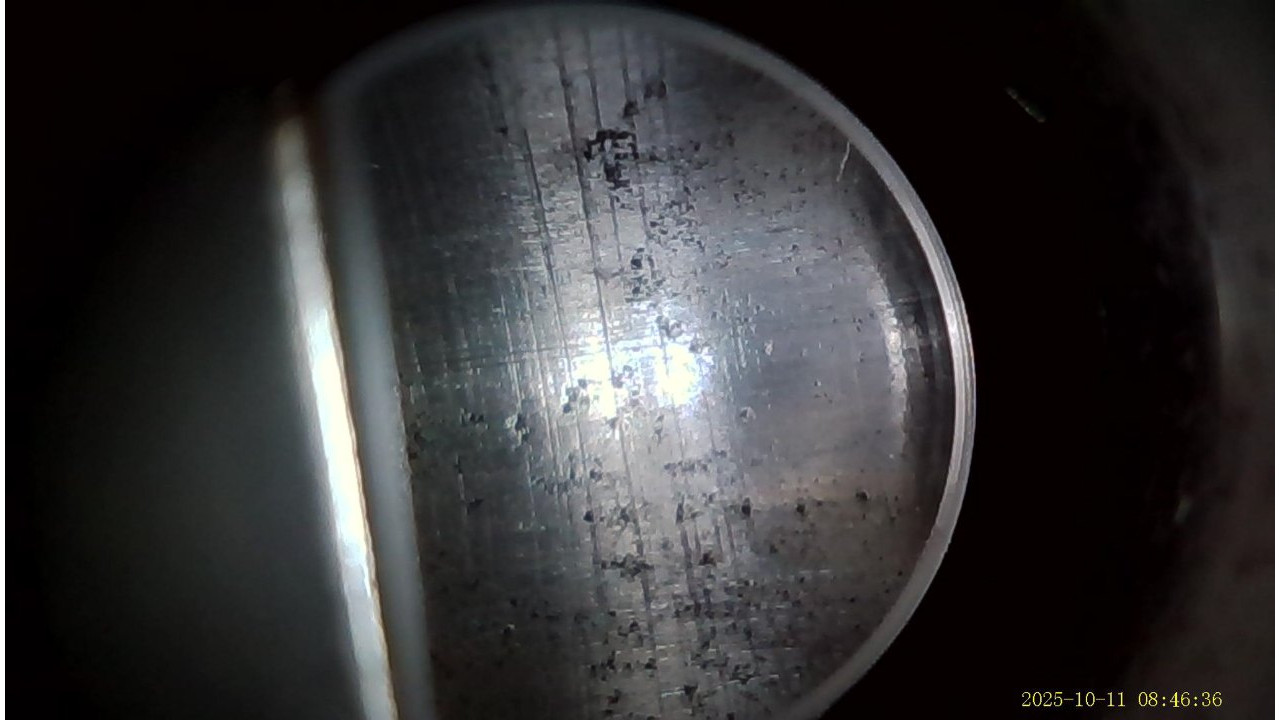
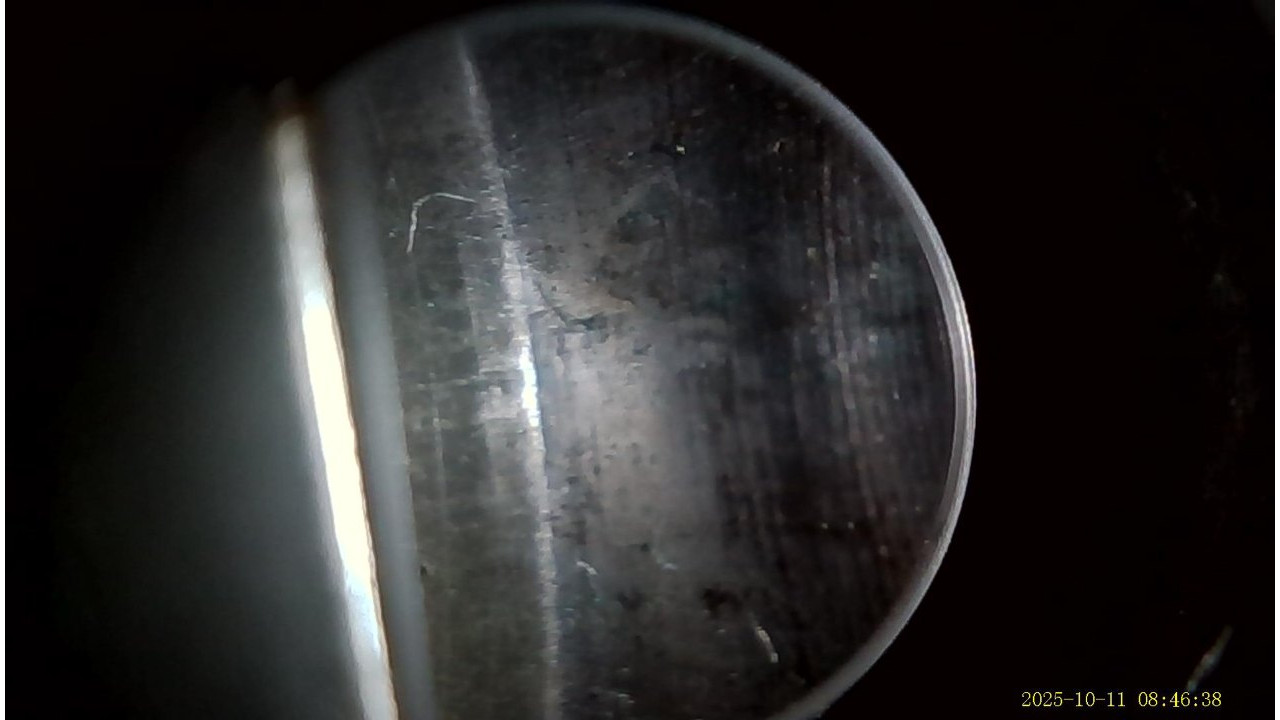
The original Springfield Armory Barrel is in fine condition. The Barrel retains 95% of the original blue finish on the exposed portion. The barrel is marked just to the rear of the front sight base, “SA / Ordnance Bomb / 3-20 / A.” The Front Sight Base is secured tightly to the barrel, and it retains the majority of its original blued finish. The Adjustable Front Sight retains the majority of its original blue finish as does the top blade. The bore on this barrel is very good with a shiny finish and strong rifling with copper fouling and minimal frosting in the lands and grooves. The breech end of the barrel exhibits little wear, and the throat erosion gauges at just under 2. The muzzle gauges at just over 1, so this would still be a nice shooting rifle.
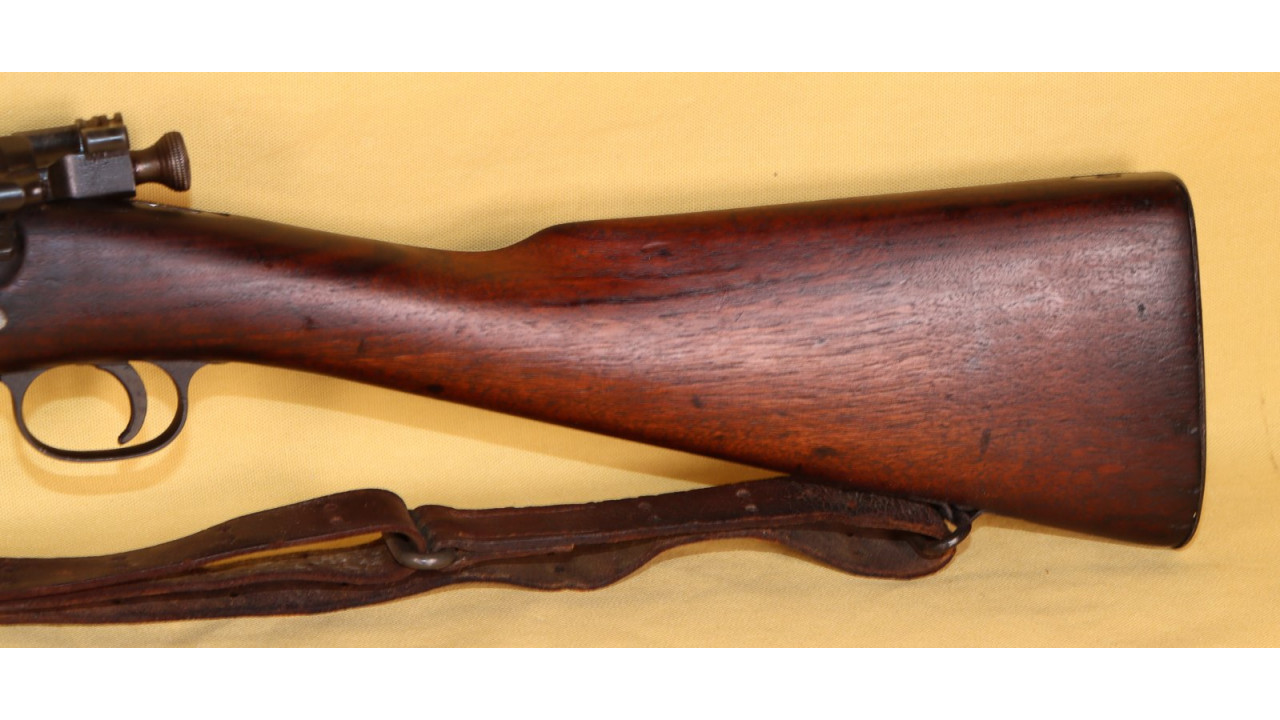
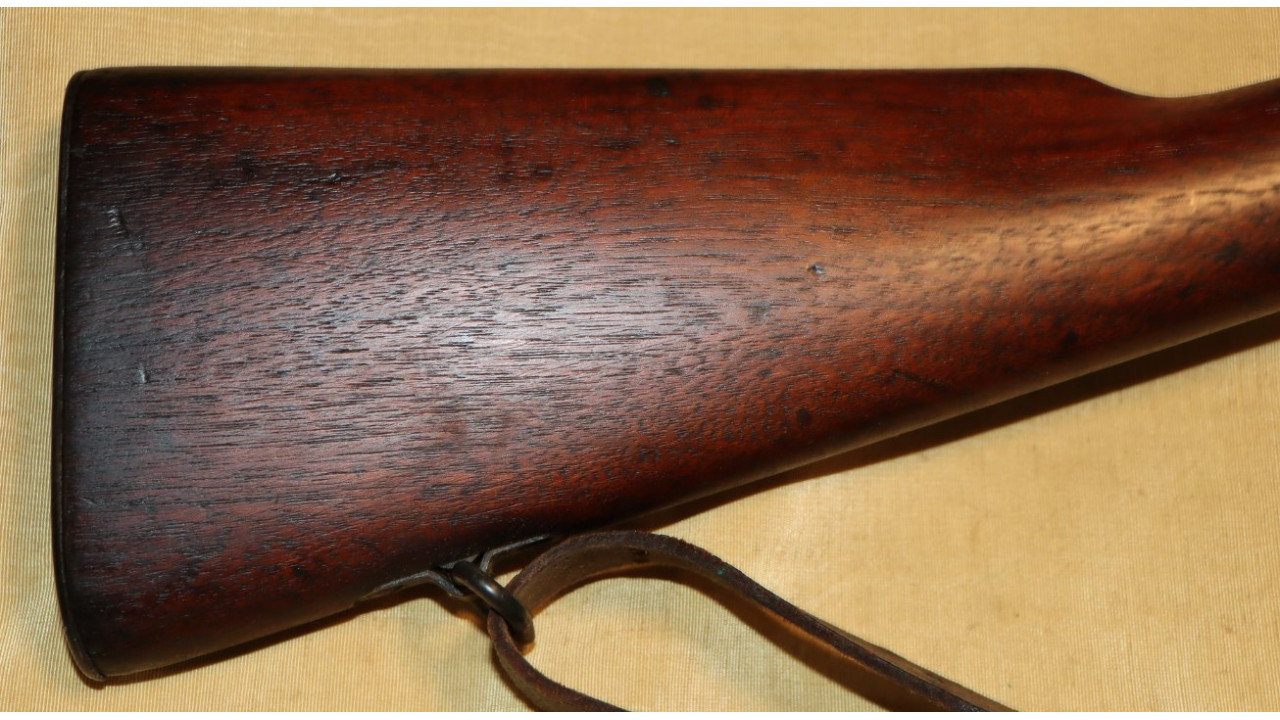
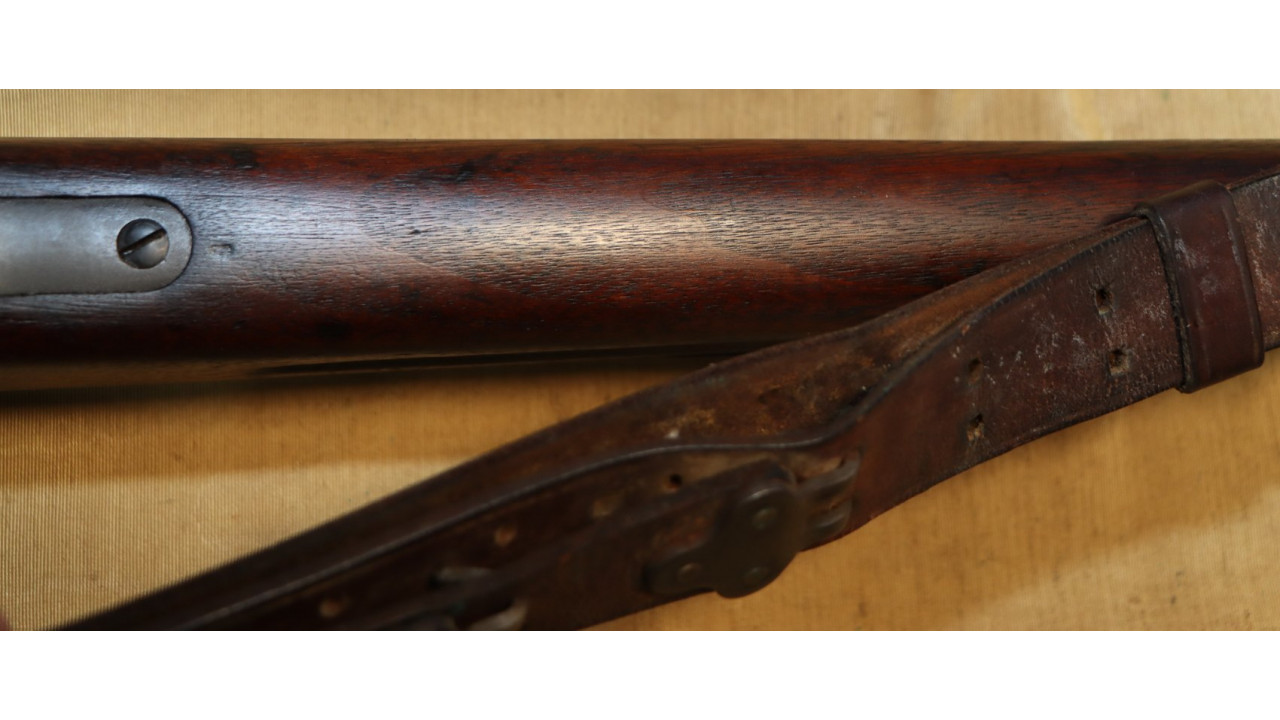
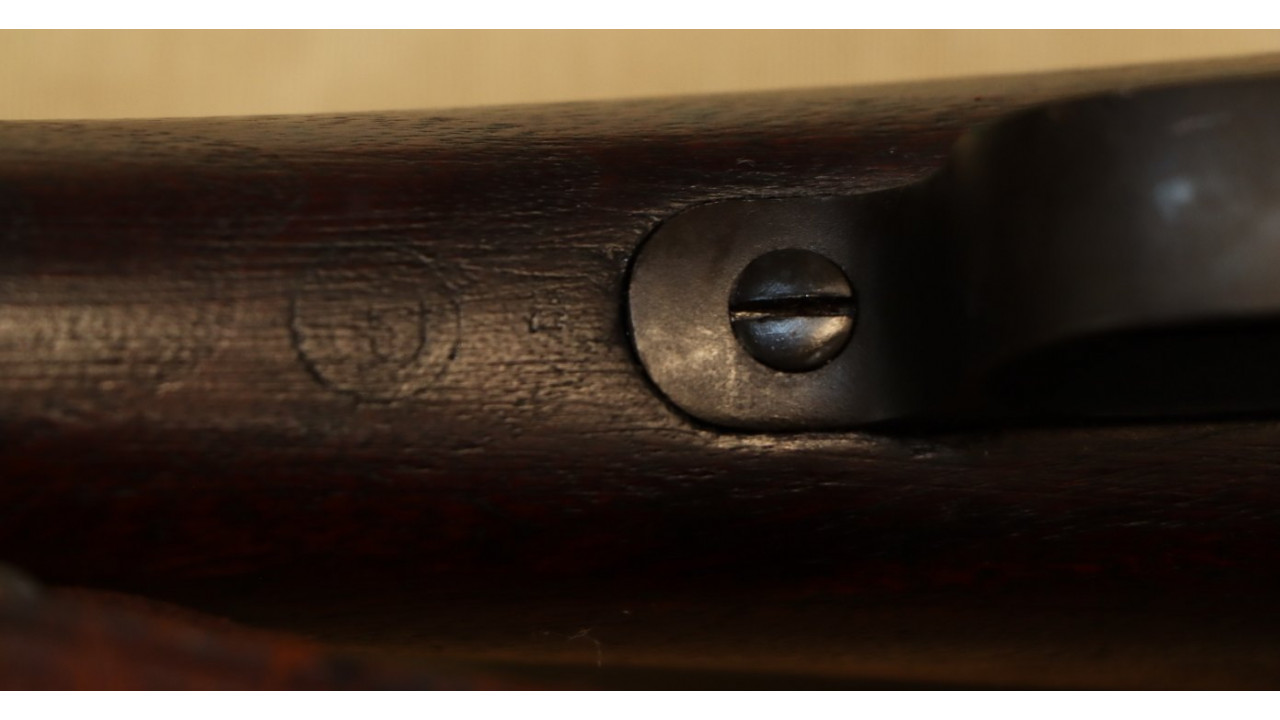
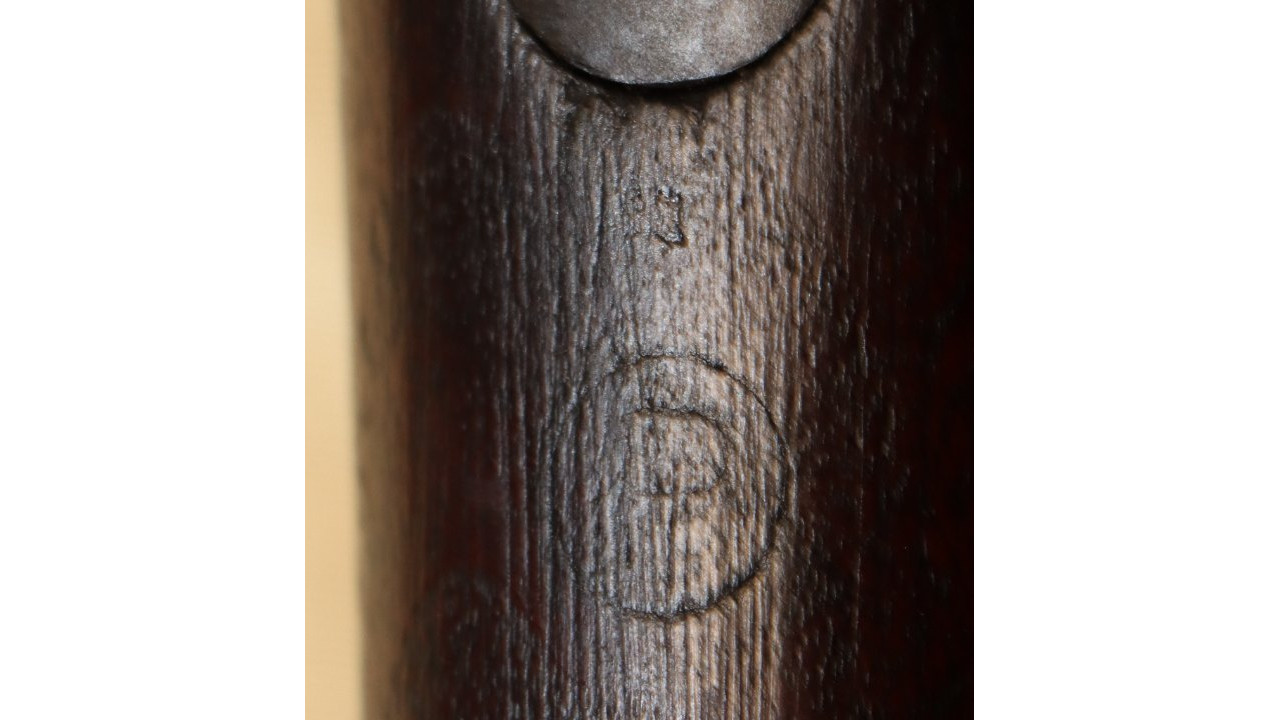
The Stock on this rifle is in beautiful original condition and retains its original oil finish. It is the correct Springfield Armory straight or “S” stock with a single stock bolt. The grasping grooves on both the right and left side still have crisp edges. The left stock flat is unmarked. The bottom of the stock wrist has the circle, script “P” firing proof stamp below what appears to be the number “13” inspection stamp. There are minor dings and scratches, but no cracks or chips are noted. There are no rebuild marks.
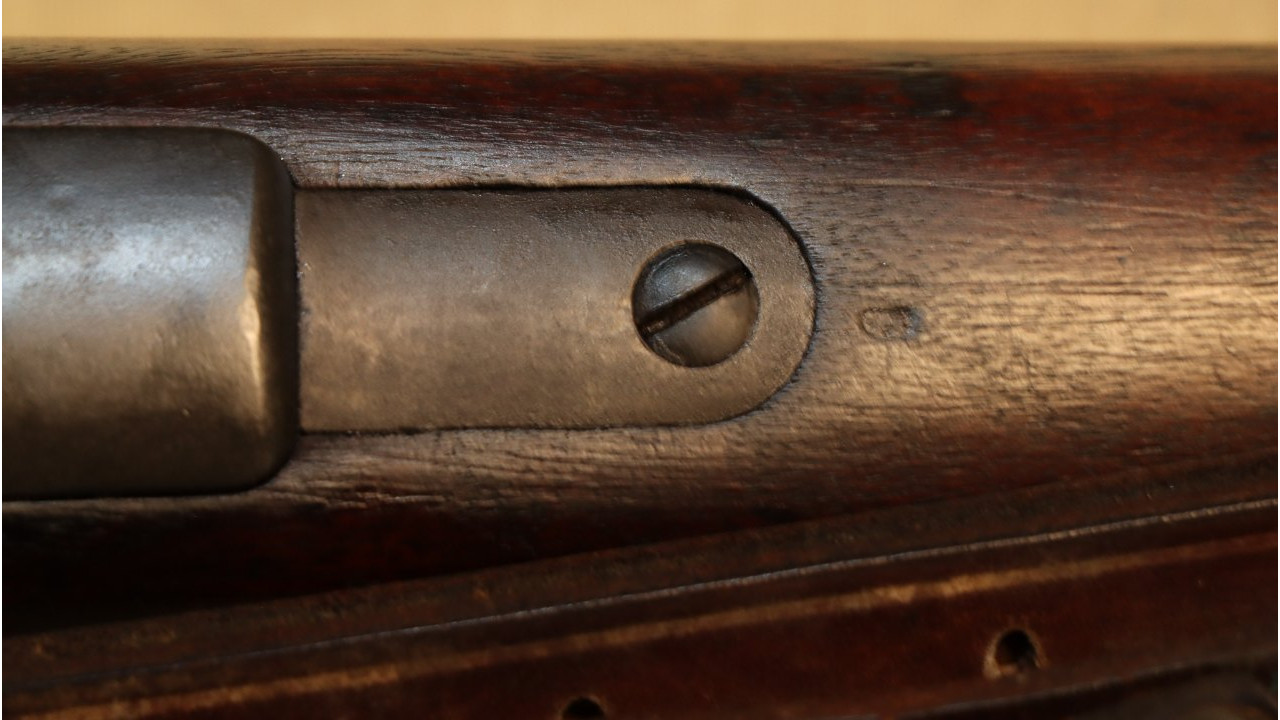
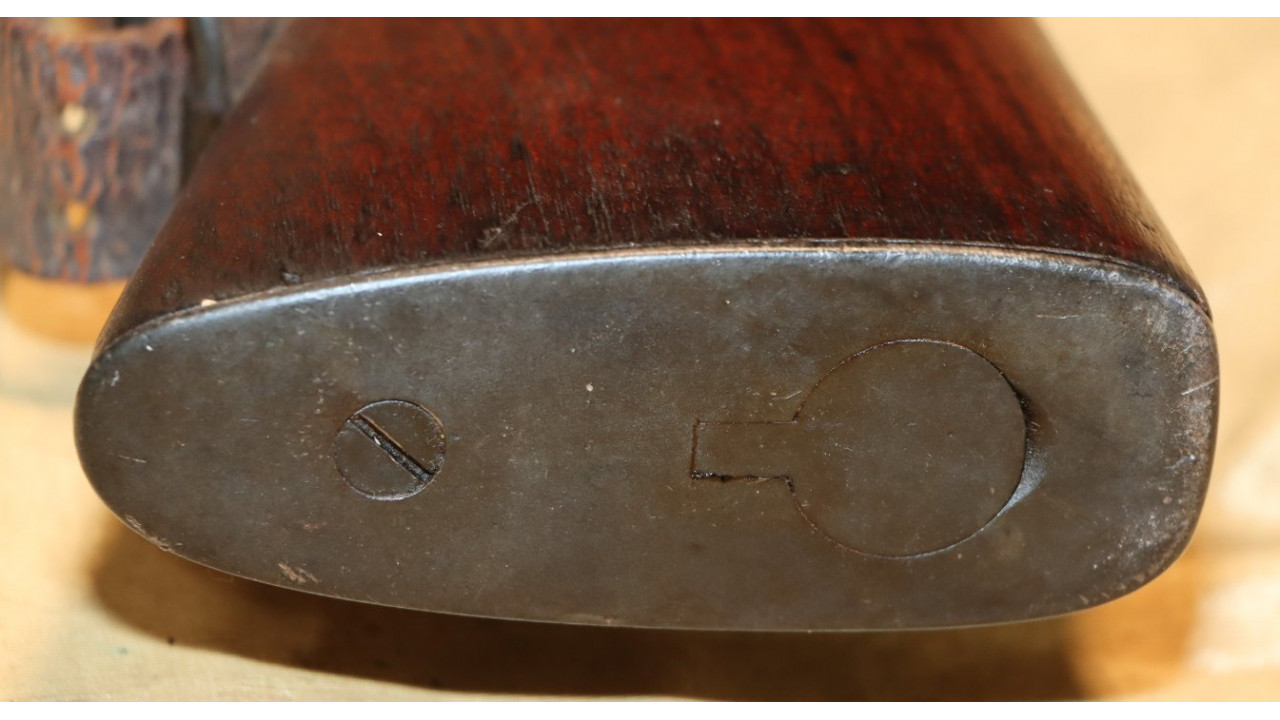
The Butt Plate on this stock is a fine condition, smooth Type 1 with smooth trap door. The butt plate and the smooth tang retain considerable original finish. The dome head, single-slot tang screw retains the vast majority of its original blue finish, and the slot is unmarred. The lower butt plate screw with flat head also retains considerable original finish with no marring of the slot. The Trap Door opens and closes securely.
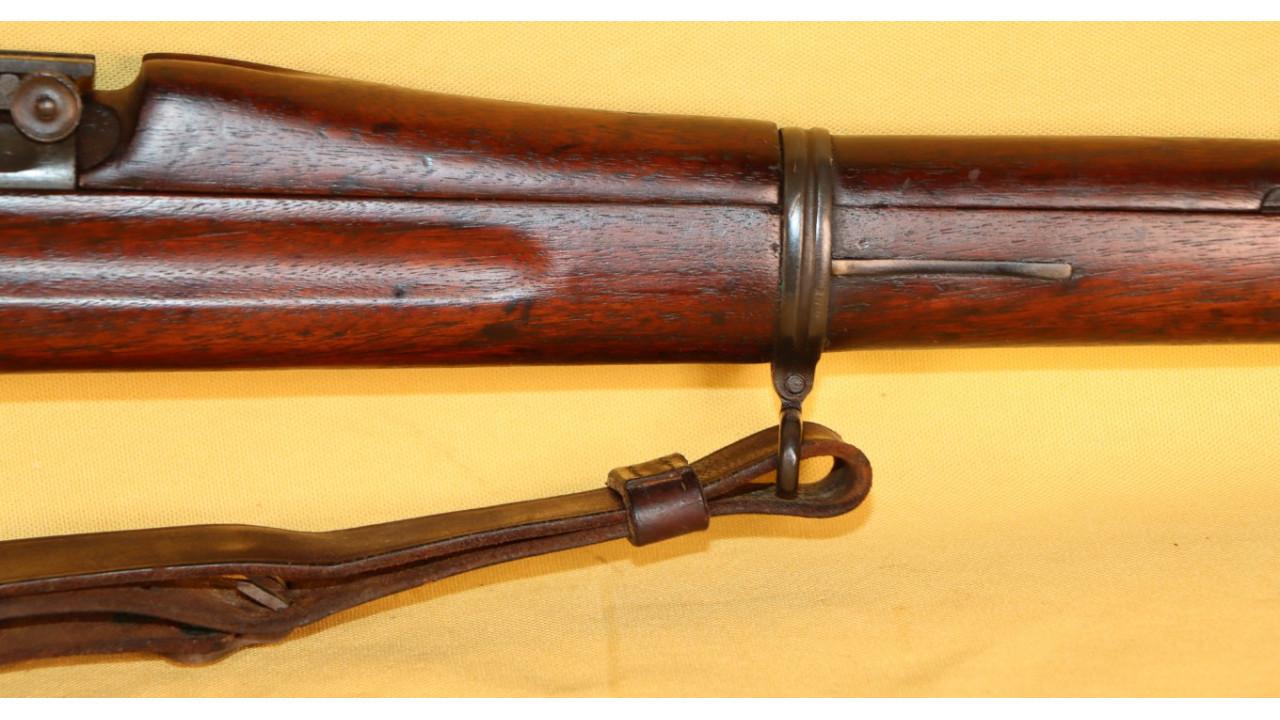
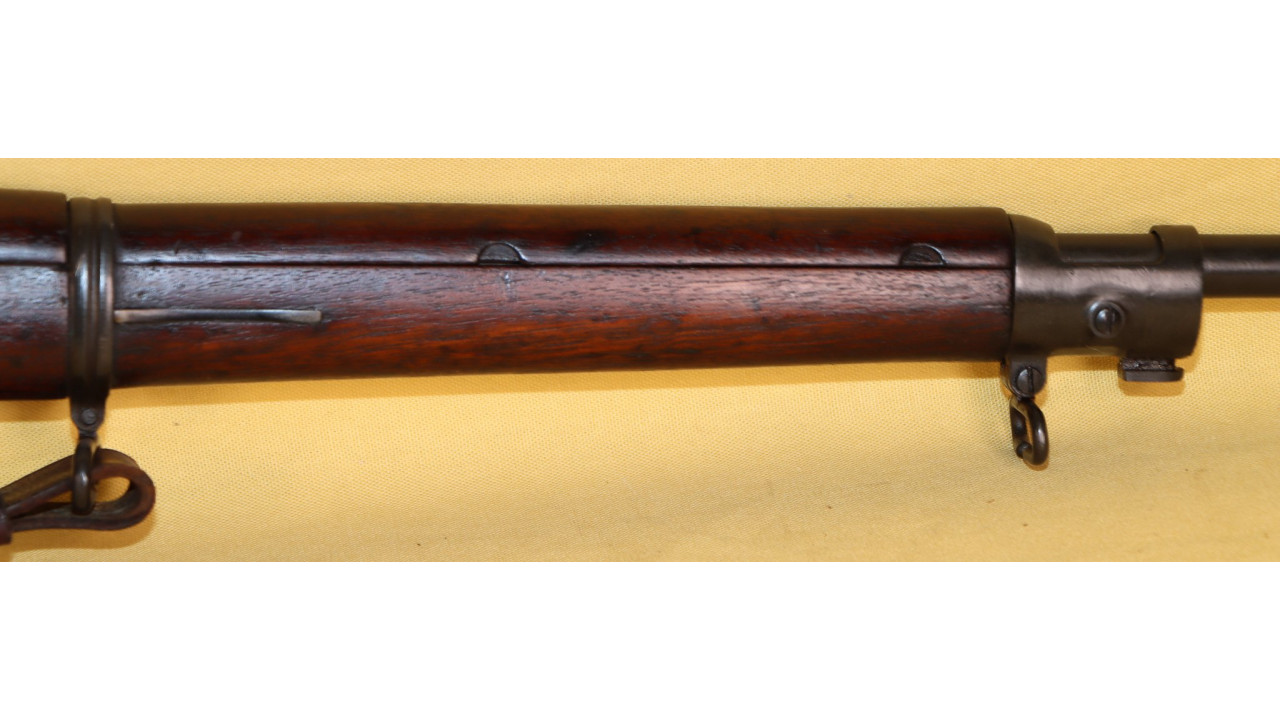
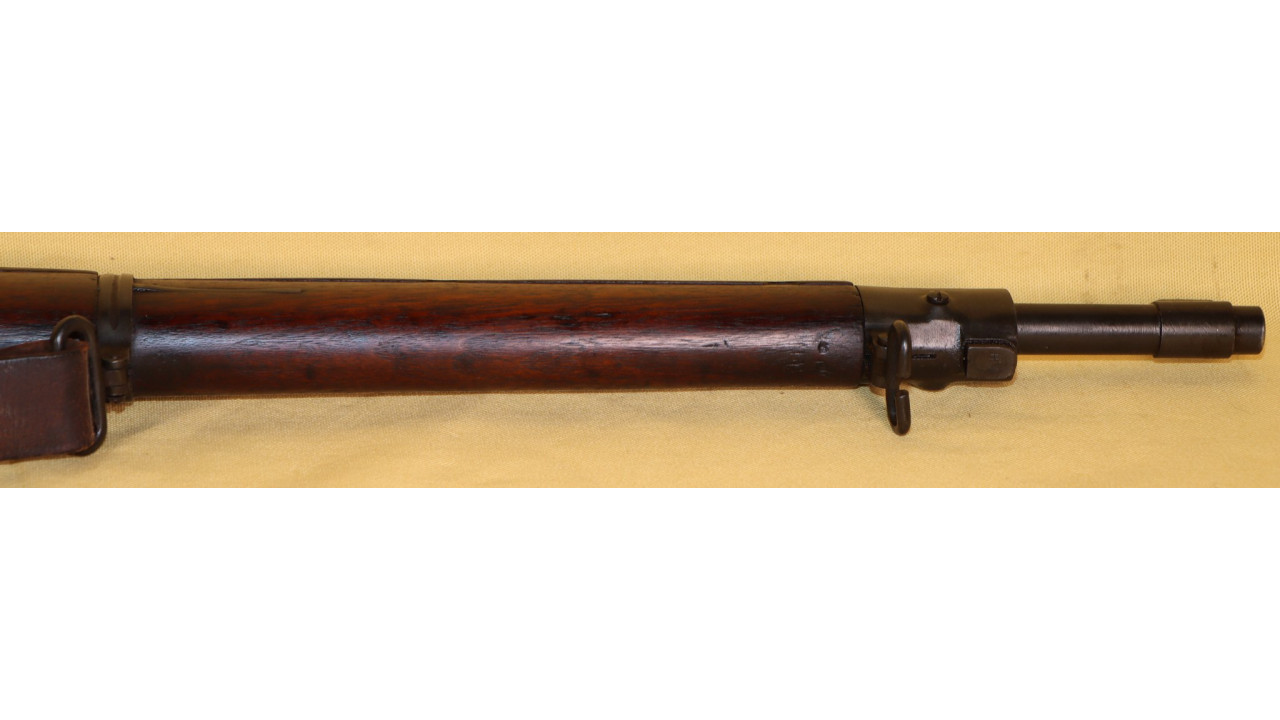
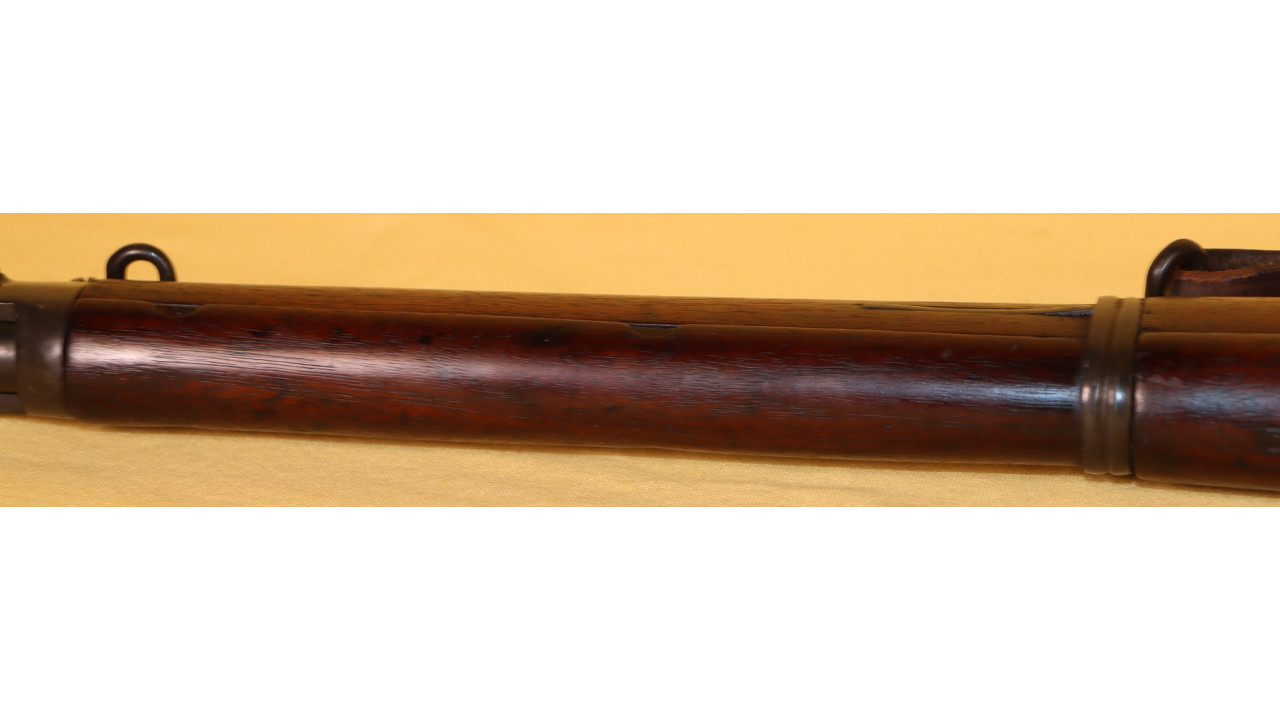
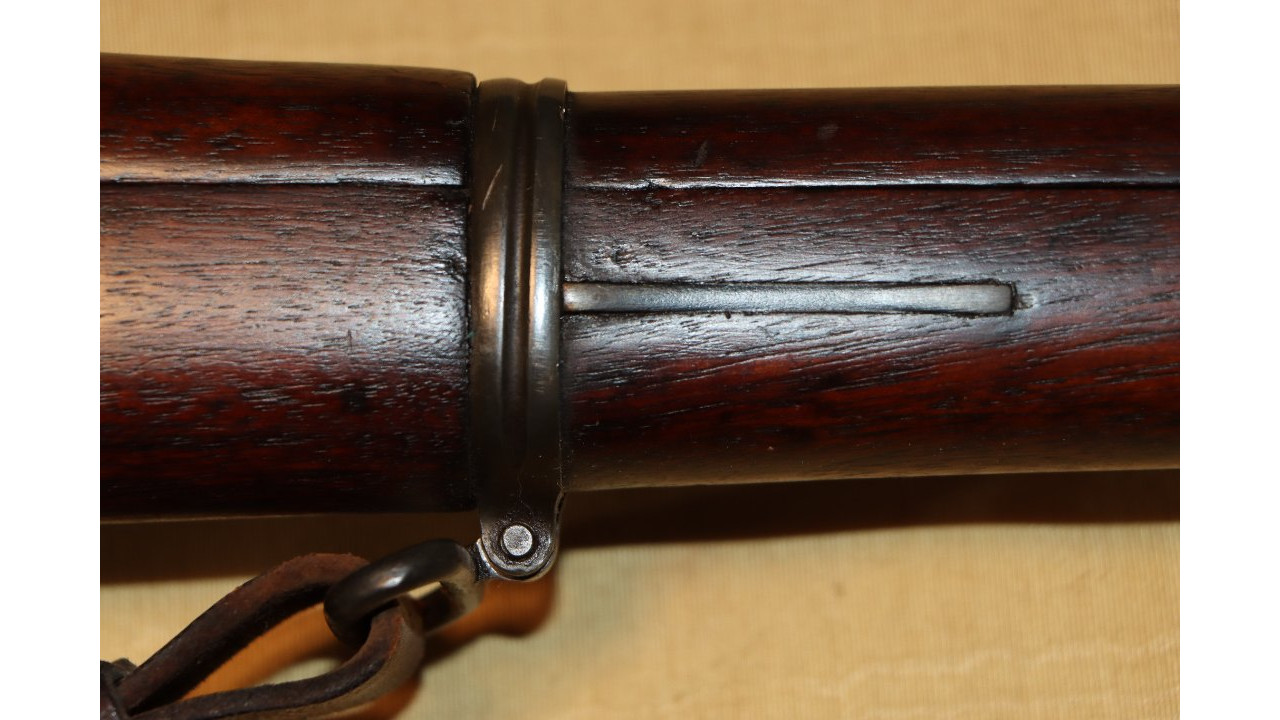
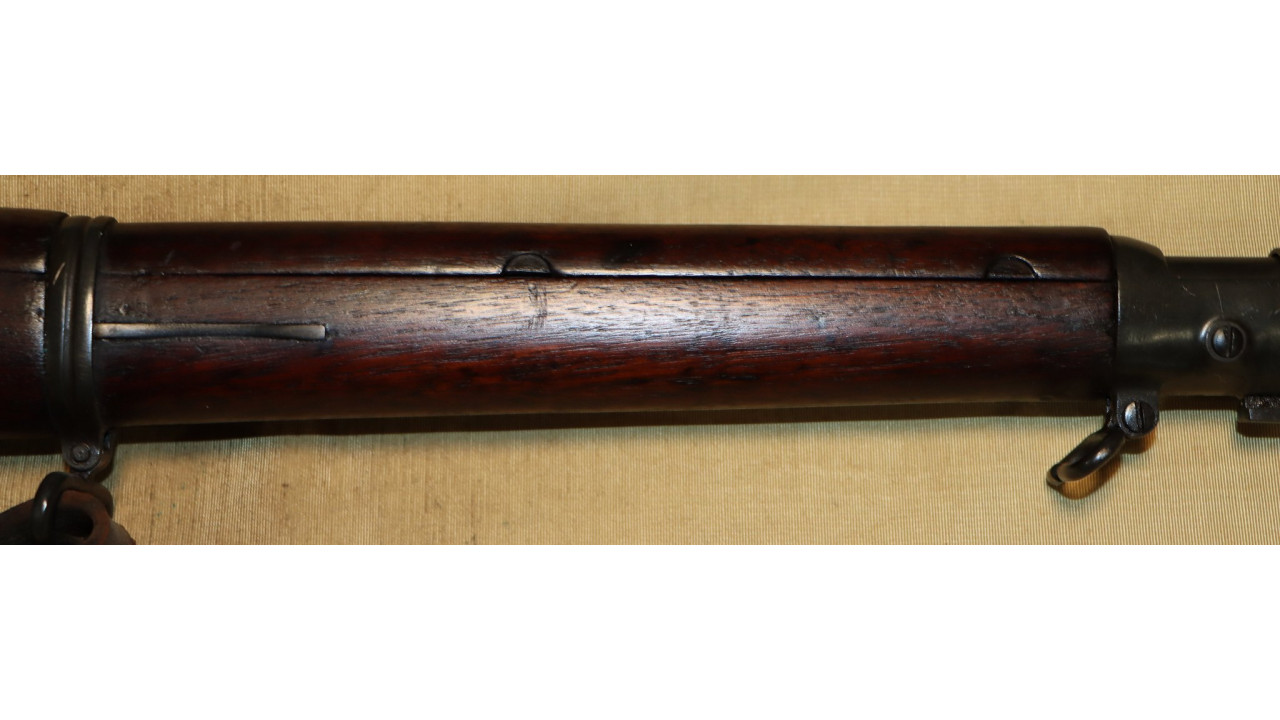
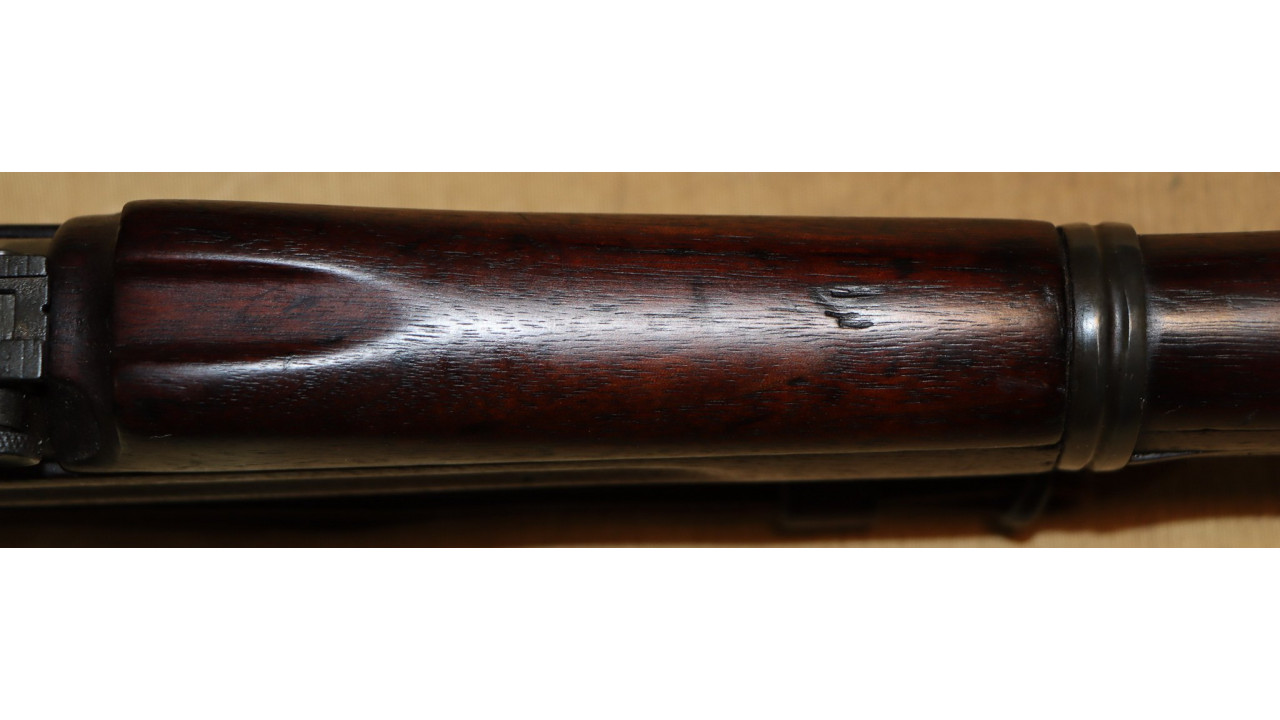
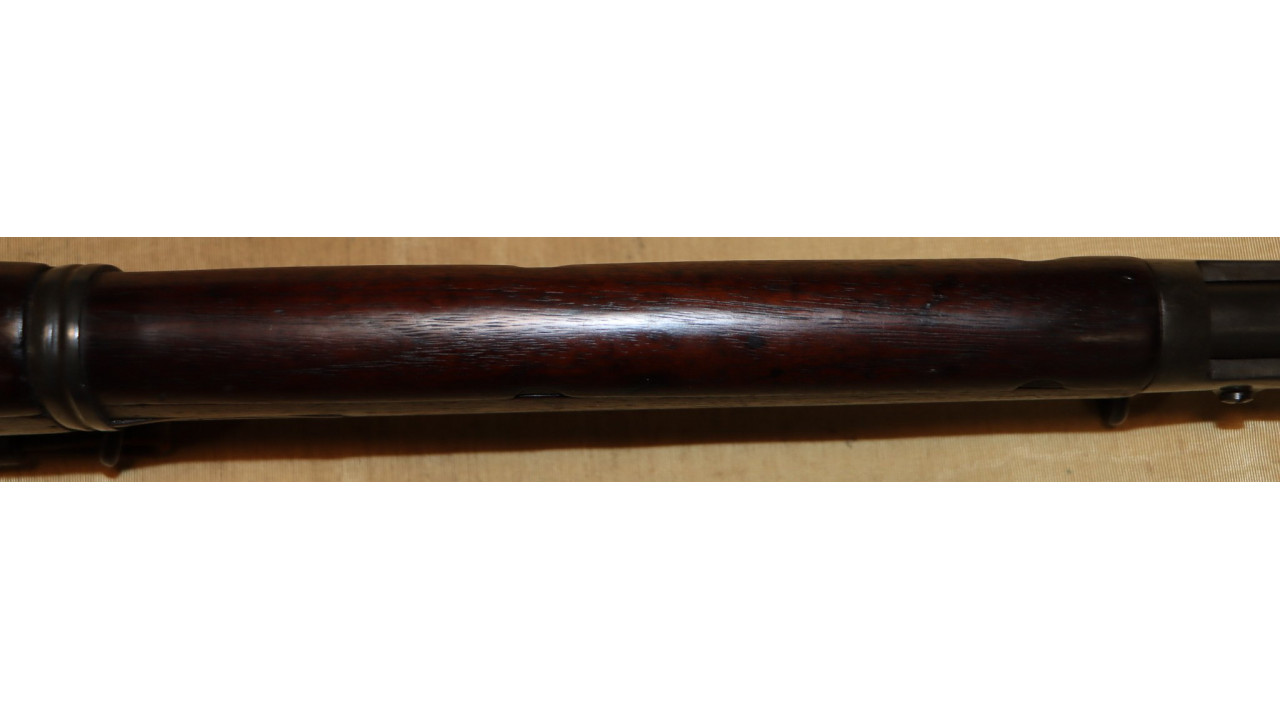
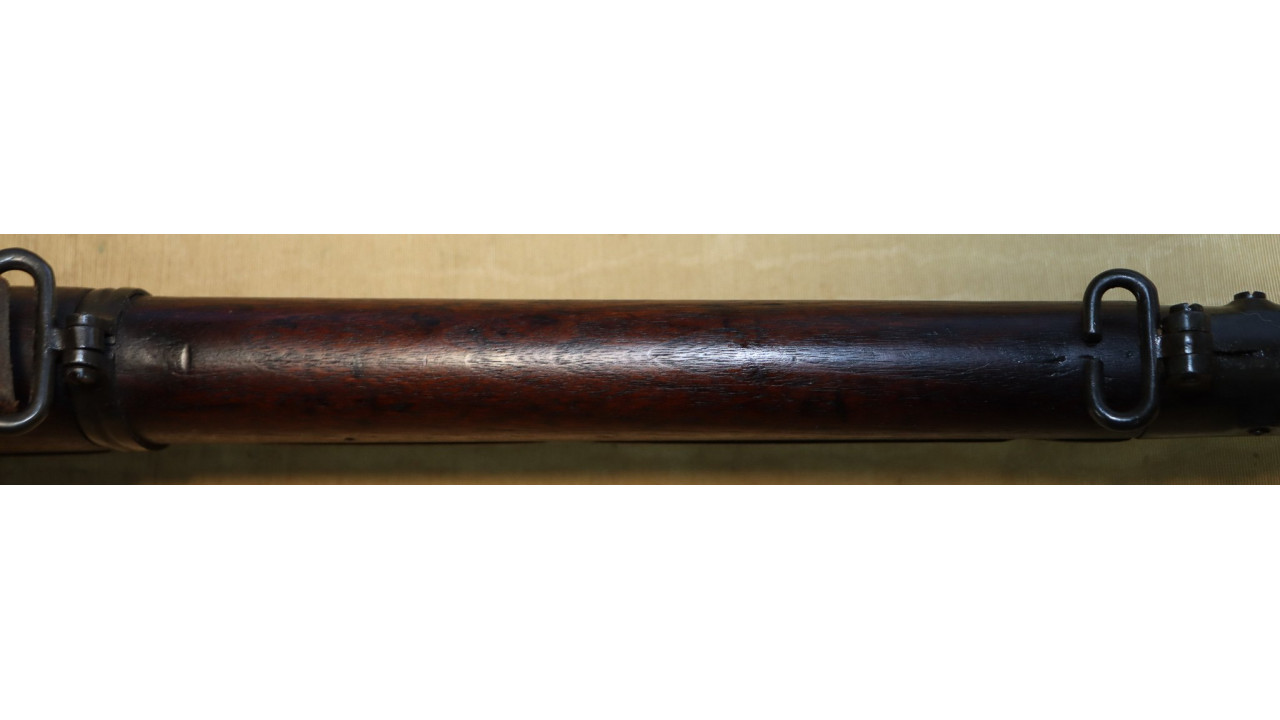
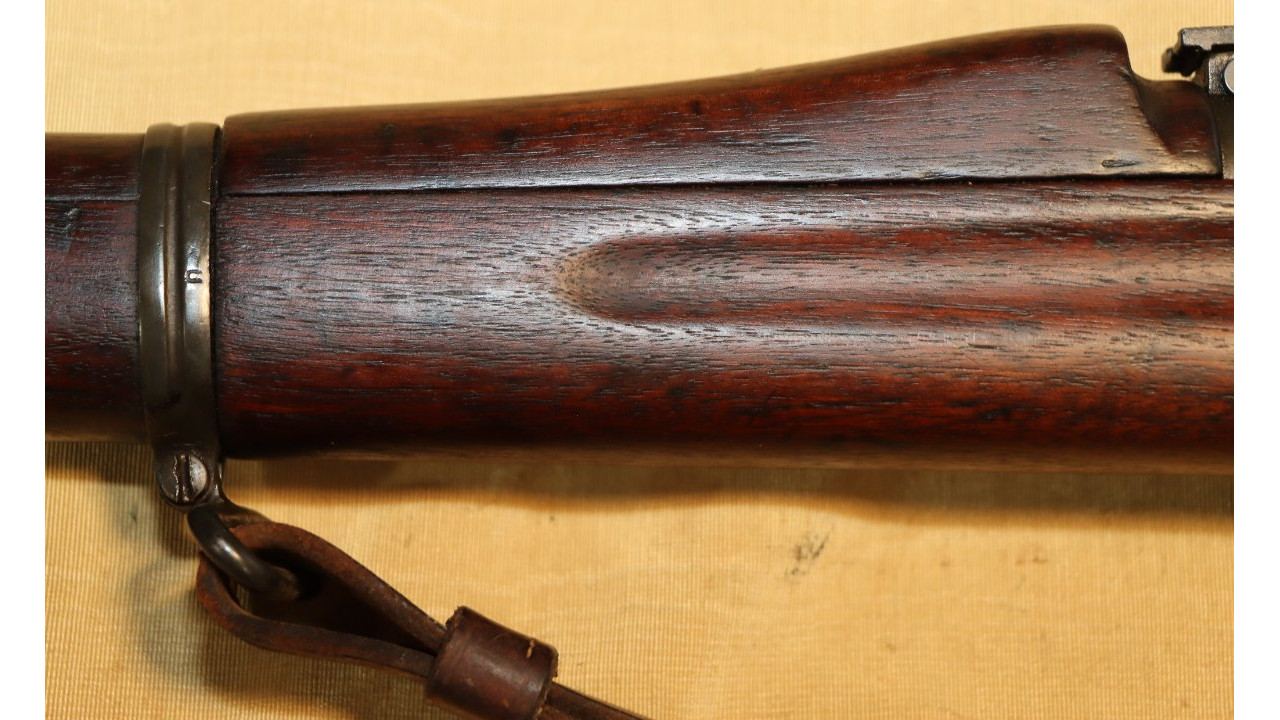
The original Handguard is a beautiful and correct Springfield high hump type. The Handguard has the concave sight protective ramp or swell, and the short sight clearance cut. The windage knob clearance cut is the correct large, semi-circular shape. Both metal clips are present and both retain the majority of their original blue finish. The front and rear lips are unmarred. The color of the handguard matches the finish on the stock perfectly. There are very small dings and scratches, but no cracks are noted.
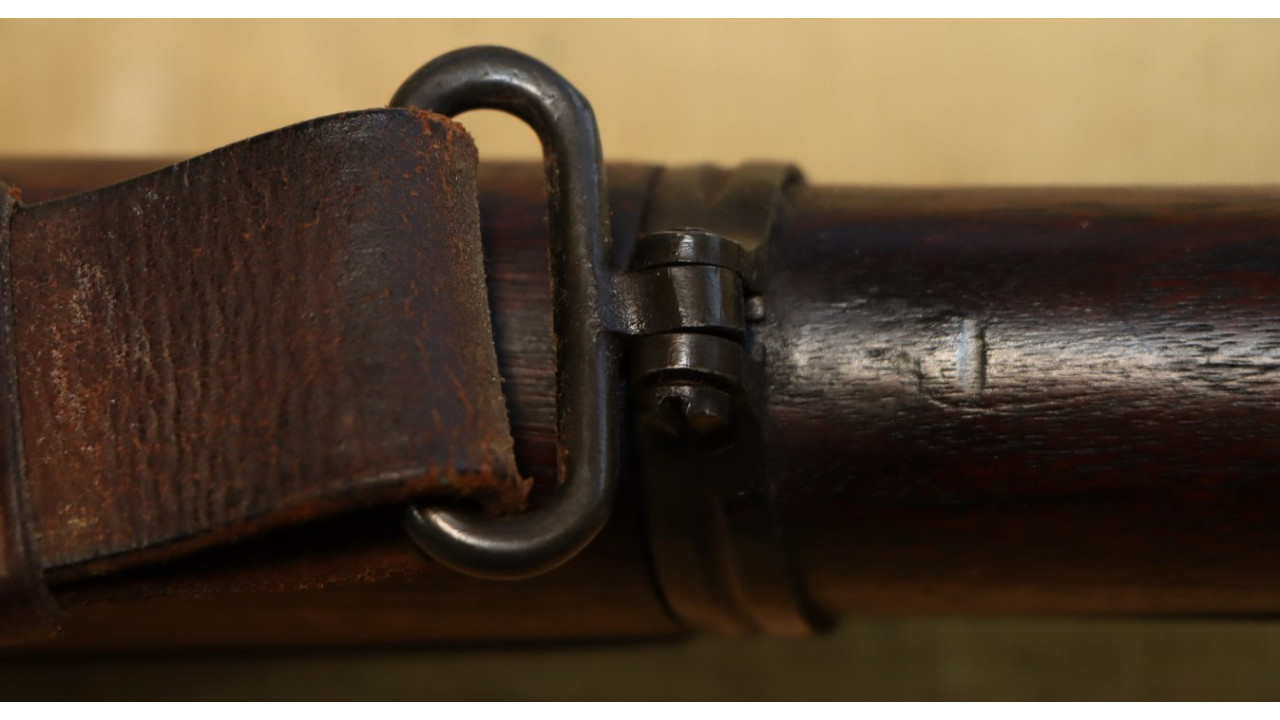
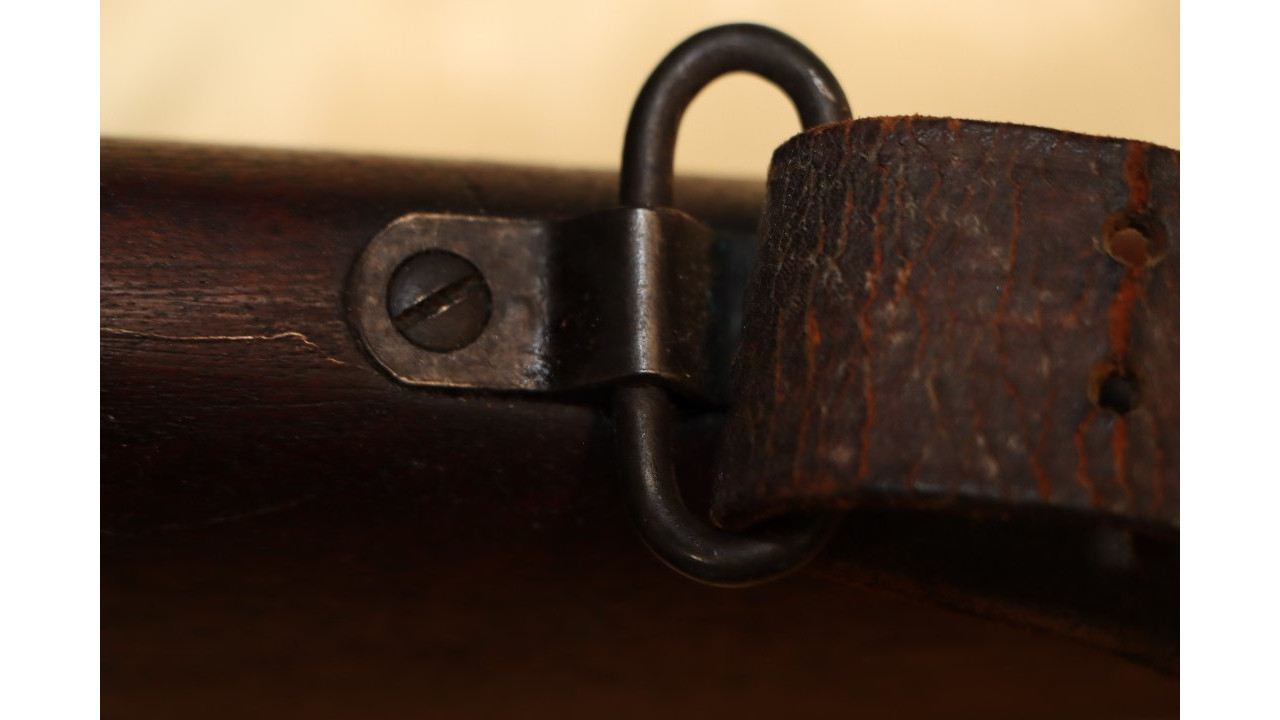
The rear sling swivel is a later 1903A3 stamped type, that was probably replaced during late WWII or after the war. Both single-slot screws are unmarred. The upper band has the correct sans serif "U" stamp, and it retains 90% of its original finish. The single slot band screw is slightly marred. The sling swivel has the correct solid shank, and it retains considerable original blued finish. The band spring on the right side of the stock retains 90% of its original blued finish.
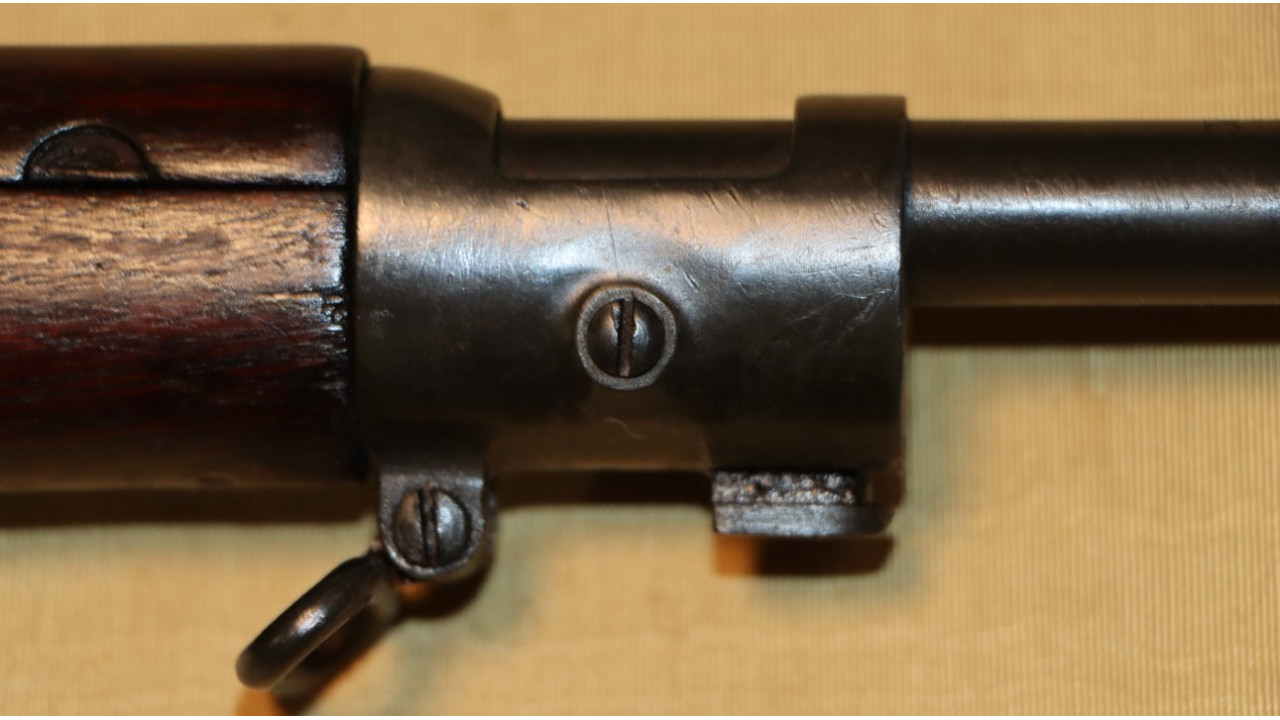
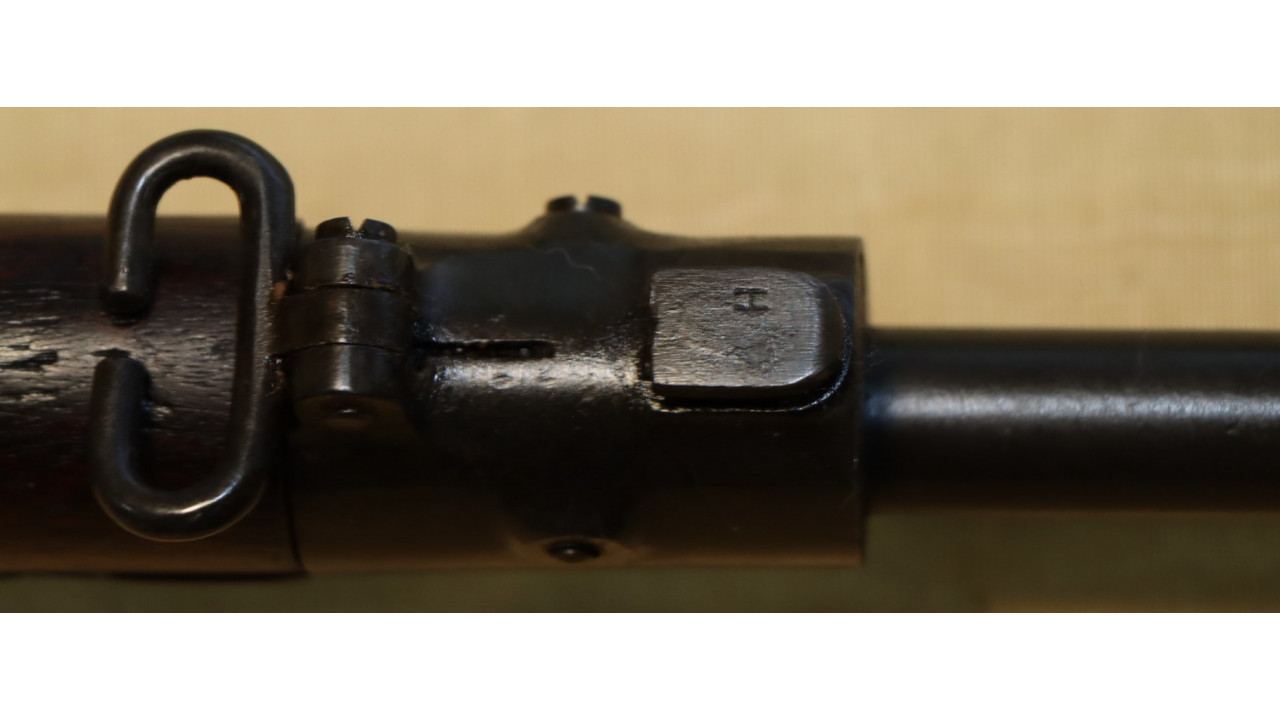
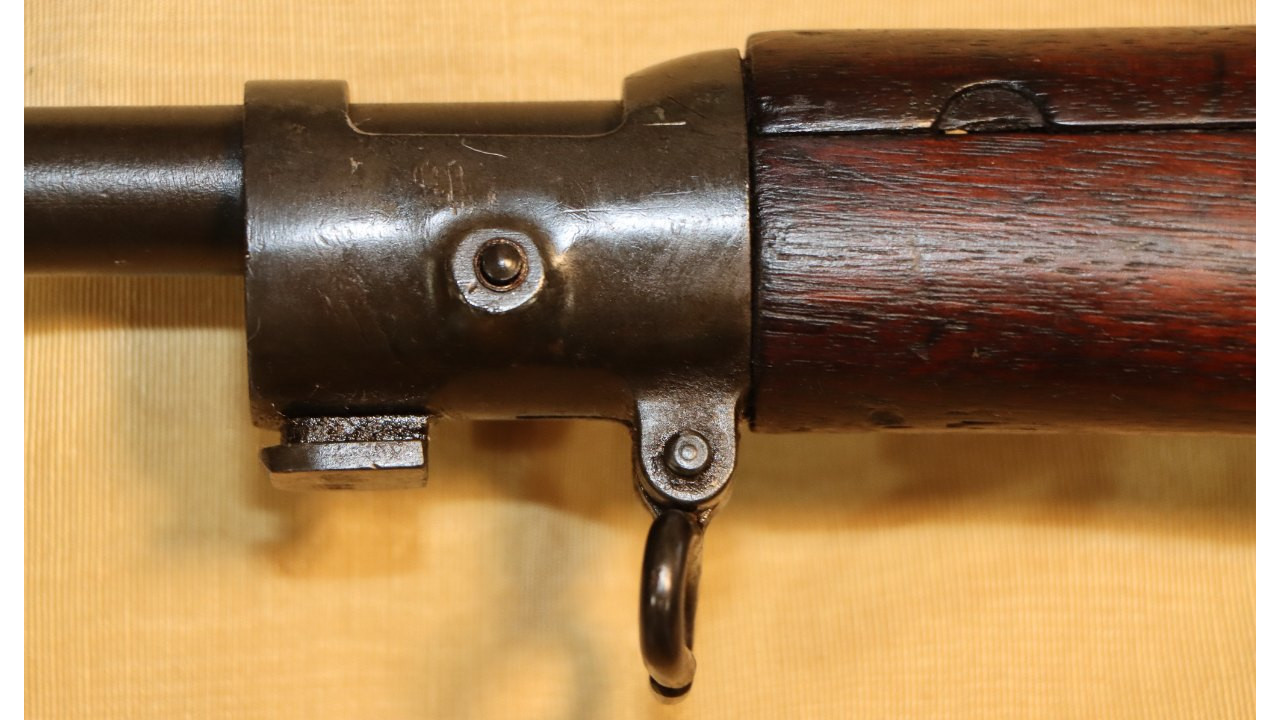
The lower band with bayonet lug is the correct Springfield Armory milled type with the sans serif "H" hardened stamp (the "H" stamp was used by Springfield and never by Rock Island). The lower band retains 95% of its original finish. The single slot band screw is slightly marred. The stacking swivel retains the majority of its original blued finish.
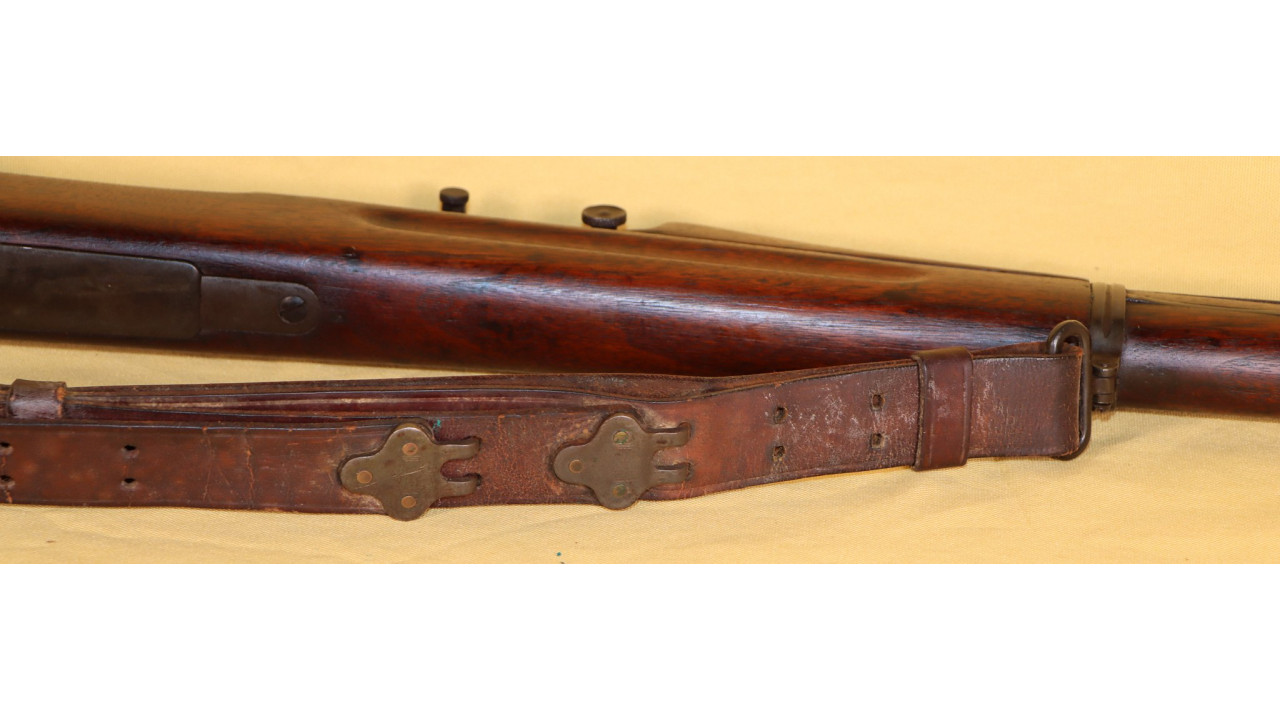
This Springfield 1903 Rifle comes with an original Model 1907 Leather Sling from WWI. Both of the original brass hooks are present and have a nice, burnt mustard patina with verdigris present. All hook rivets are present and are secured to the leather. The sling is unmarked. One of the original stitched back, leather keepers are present. There is considerable crazing on the sling, but it remains generally strong and fairly supple throughout.
This is beautiful example of a unique Springfield Armory Model 1903 Mark I Service Rifle designed for the Pedersen Device that was subsequently configured after 1920 to standard Service Rifle configuration. This rifle headspaces correctly using Clymer “GO” and “NO-GO” gauges.